










 In the final part of The Multi-Format Effect, Colum Harmon highlights how the research points to action by consumers and positive outcomes for brands.
In a complex media landscape, Out of Home (OOH) advertising continues to stand out as a powerful channel for driving brand awareness, engagement, and action. At PML Group, our ongoing IMPACT research programme with Ipsos B&A consistently demonstrates the unique strengths of OOH—particularly when campaigns are executed across multiple formats and environments.

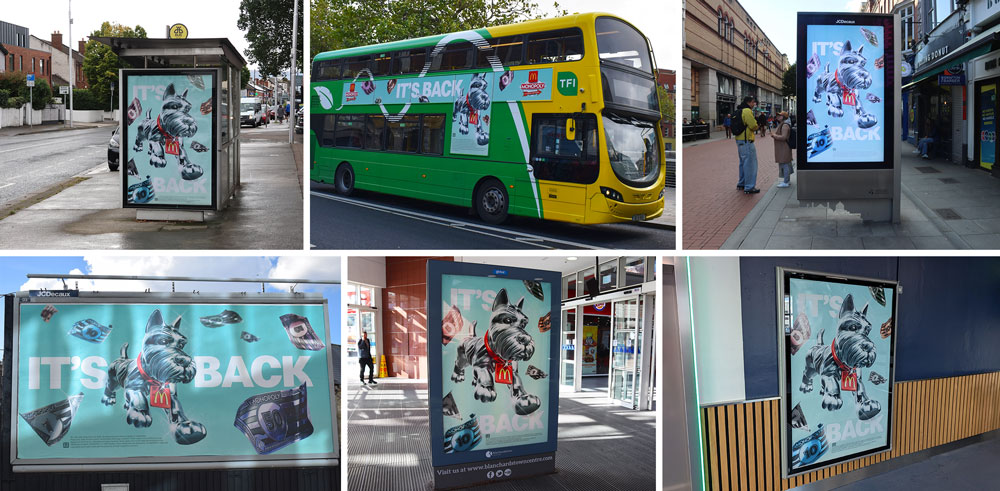
OOH spans a rich and varied ecosystem—retail, transport, leisure, and urban environments—each presenting unique opportunities to engage audiences in meaningful and contextually relevant ways. When brands harness this diversity through multi-format campaigns, the results are consistently compelling. In the previous two instalments of The Multi-Format Effect, we showcased a range of successful outcomes that highlight the power of combining formats and environments to maximise impact and drive performance.
Having demonstrated the impact of a multi-format approach in our previous pieces, the final part of our series explores how contextual relevance and familiarity can further elevate multi-format strategies — ultimately enhancing campaign effectiveness.
Familiarity Breeds Comfort
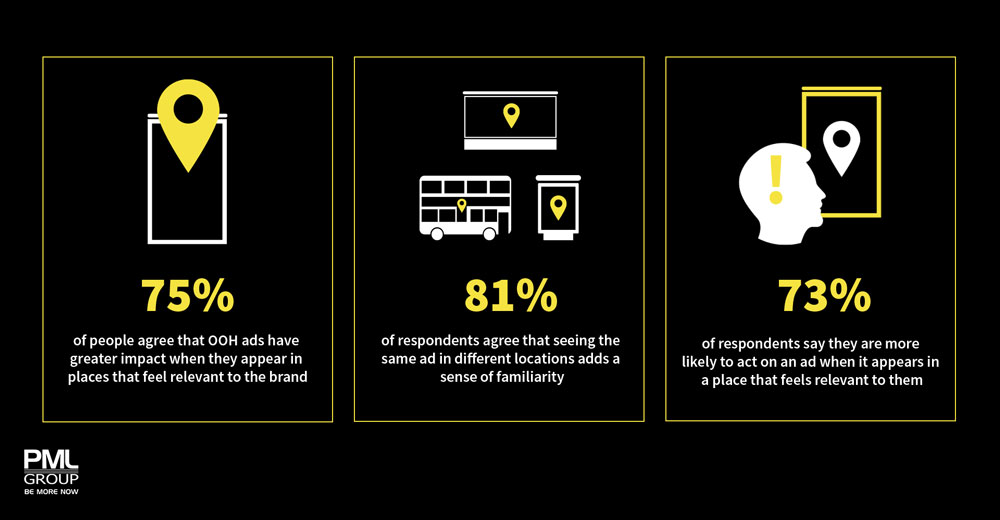
OOH’s ability to build brand familiarity is further strengthened when the same creative is seen across multiple environments. 81% of respondents agree that seeing the same ad in different locations adds a sense of familiarity. This repetition across varied touchpoints reinforces brand identity and trust, making consumers more receptive to the message.
Multi-environment exposure also supports the concept of mental availability—a key driver of brand growth. By appearing in multiple contexts, brands stay top-of-mind and accessible, increasing the likelihood of consumer action when the need arises.
Brand-Environment Synergy
The synergy between brand and environment is another critical factor in campaign effectiveness. According to our research, 75% of people agree that OOH ads have greater impact when they appear in places that feel relevant to the brand. This alignment enhances authenticity and credibility, making the message more persuasive.
This strategic placement not only boosts recall but also strengthens brand perception, positioning the advertiser as in tune with consumer lifestyles. From a planning perspective, this could involve adding a layer of targeted placements in specific environments to complement the broader OOH campaign
Relevance Drives Response
One of the most compelling findings from our research is the importance of contextual relevance. A striking 73% of respondents say they are more likely to act on an ad when it appears in a place that feels relevant to them. Whether it’s a coffee brand in a commuter hub or a fashion retailer in a shopping district, location-based relevance enhances the perceived value and immediacy of the message.
This insight underscores the strategic advantage of placing OOH ads in environments that align with consumer mindsets and behaviours. It’s not just about visibility—it’s about resonance. When the setting complements the message, the impact is amplified.
Multi-Format Campaigns Drive Higher Recall
Perhaps the most compelling evidence for the effectiveness of multi-format OOH lies in its impact on recall. Findings from PML Group and Ipsos B&A’s IMPACT programme show that multi-format campaigns perform 44% better on average in terms of recall when indexed against single-format executions.
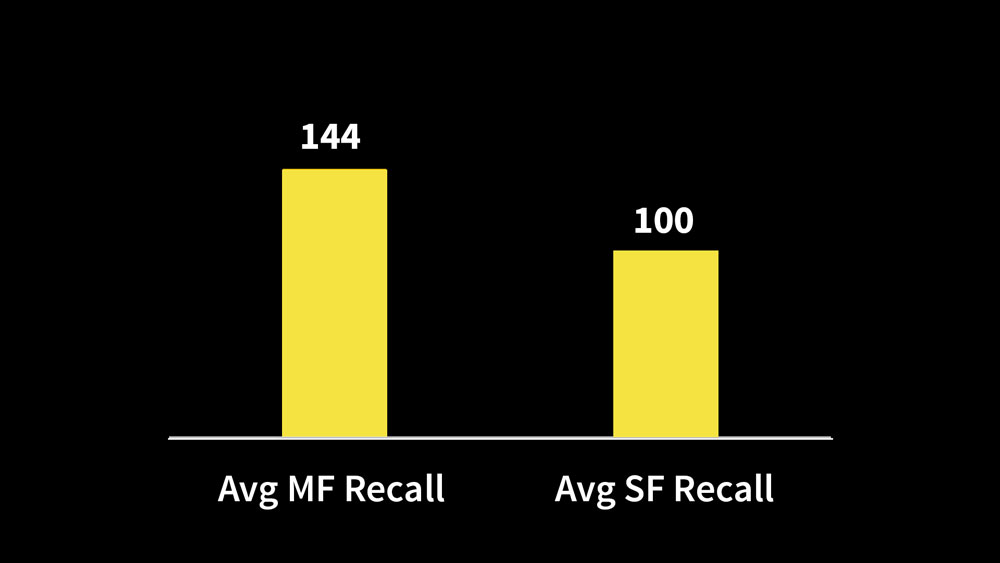
This uplift is driven by the complementary nature of different formats—large-scale roadside builds for awareness, digital screens for dynamic messaging, and point-of-sale placements for conversion. Together, they create a cohesive and immersive brand experience that sticks with consumers long after exposure.
In an age where attention is scarce and media consumption is fragmented, OOH offers a tangible, high-impact solution. Multi-format, multi-environment campaigns not only increase reach and frequency but also deepen engagement through contextual relevance and brand-environment synergy.
At PML Group, we continue to champion the power of OOH as a strategic channel for brands looking to connect with audiences in the real world. The data is clear: when executed thoughtfully, multi-format OOH campaigns deliver superior results—driving awareness, building trust, and inspiring action.
Burger King is in the Right Direction with Dynamic Displays
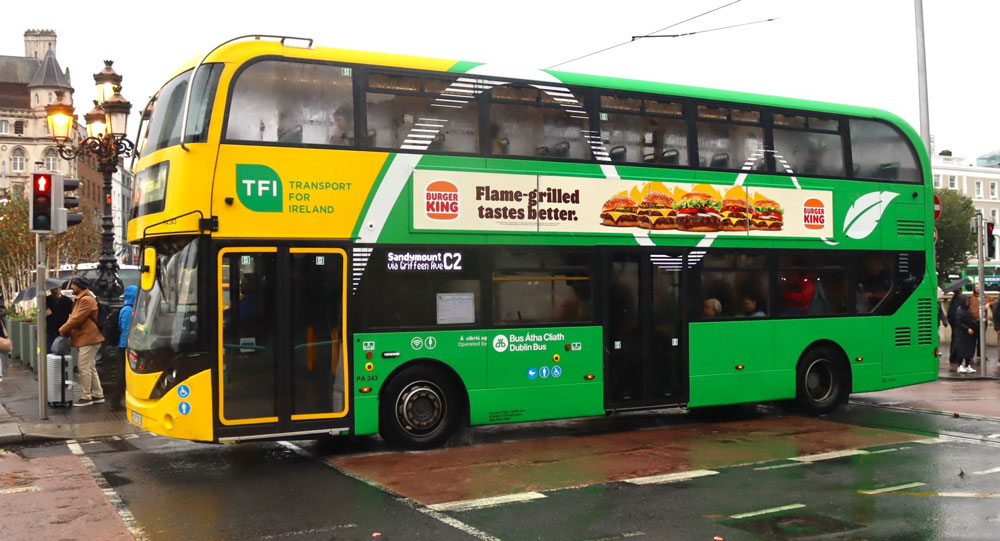
Burger King is pointing its customers in the right direction with location call outs in shopping malls across Dublin.
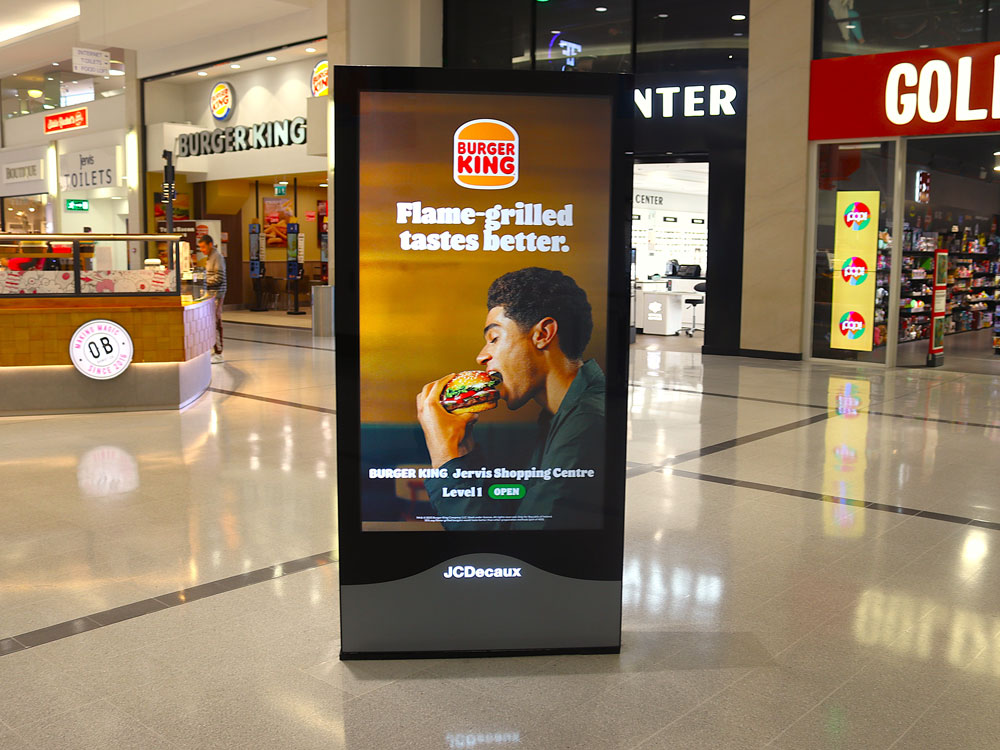
The ‘Flame-grilled tastes better’ activation is live on screens in centres including Ilac, Blanchardstown, Liffey Valley, The Square, Jervis and Nutgrove.
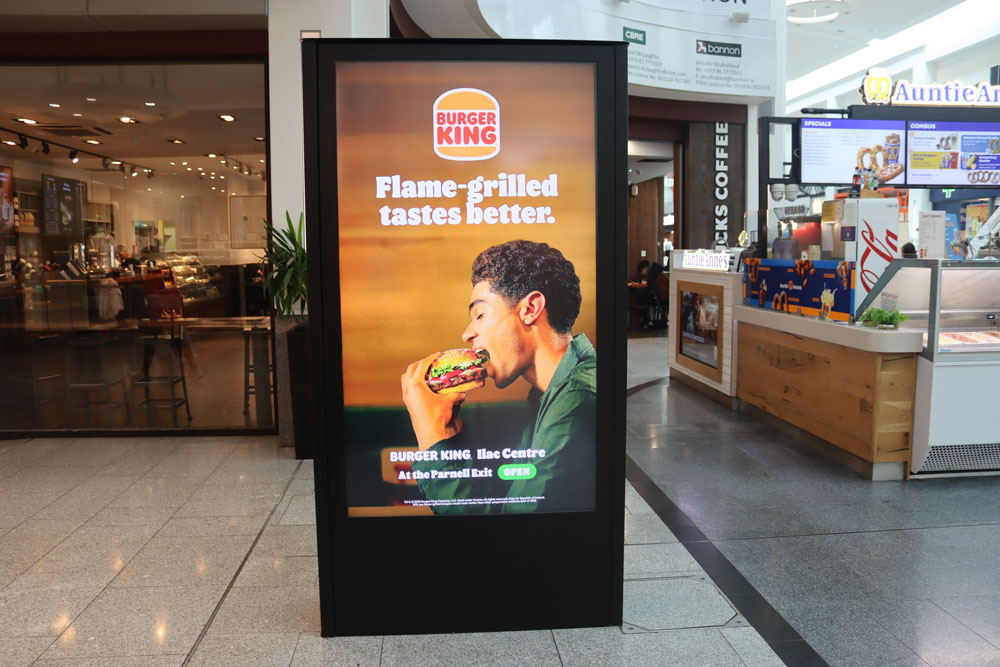
Planned by Dentsu and PML and delivered by Liveposter, the Dynamic campaign is both generating appetite appeal and driving footfall. Bus Supersides and Adshel 6 Sheets add a roadside element extending the message to the streets in proximity throughout the capital.
Dynamic allows a brand to speak to its audience in the way that they want, when that want and where they want, providing consumers with more reactive and relevant content. OOH has traditionally been known as a broadcast medium that enables a brand to tell a story but with dynamic the story or message can be tailored to the moment, to the location and the context.
The Moments of Truth research project, which examines the neuroscience, ad recall, and sales effect of Digital Out-of-Home advertising, proves that the use of contextually relevant messaging will increase effectiveness by an average of 17%. It was also found that the inclusion of specific location calls offered a 14% sales uplift compared to no OOH, with a 6% uplift over OOH advertisement alone.
Our Media Impact Study found 7 out of 10 Dubliners agree that local, contextual advertising helps brands form a tangible connection with its consumer, while 60% agreed such advertising creates a positive impression of the brand for them.