













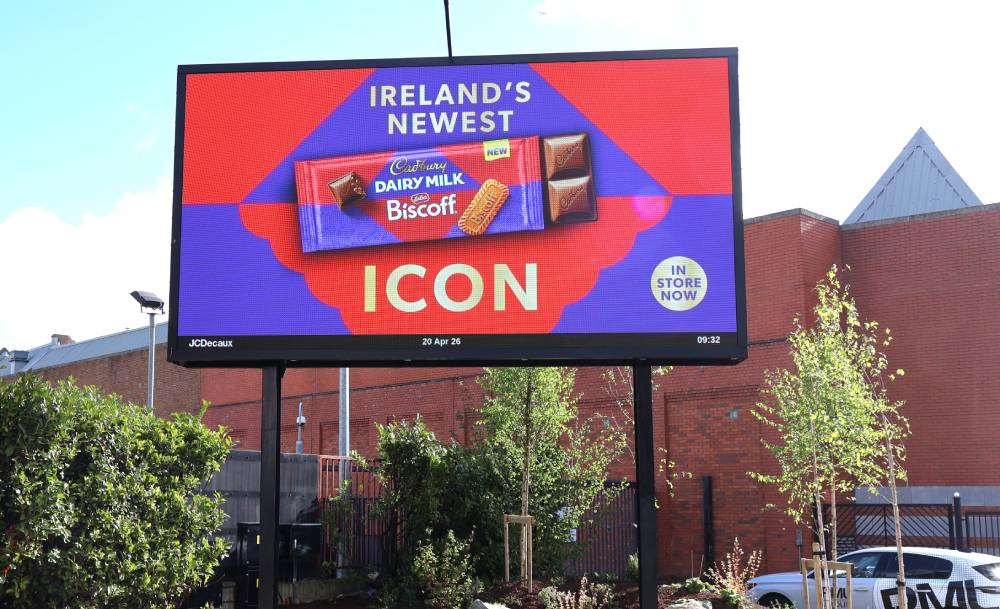
 Ireland’s Out of Home (OOH) advertising market delivered a robust performance in the first half of the year, with strong growth across many of the country’s largest advertising sectors, according to WATCH, PML Group’s market intelligence resource.
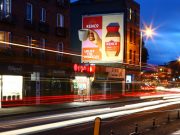
Supermarkets, Snacking and Savings together drove market growth. Retail maintained its position as the leading OOH category, increasing display activity by 20% year-on-year to command almost 14% share of voice, driven largely by increased investment from supermarket brands such as SuperValu, Dunnes Stores and Lidl.
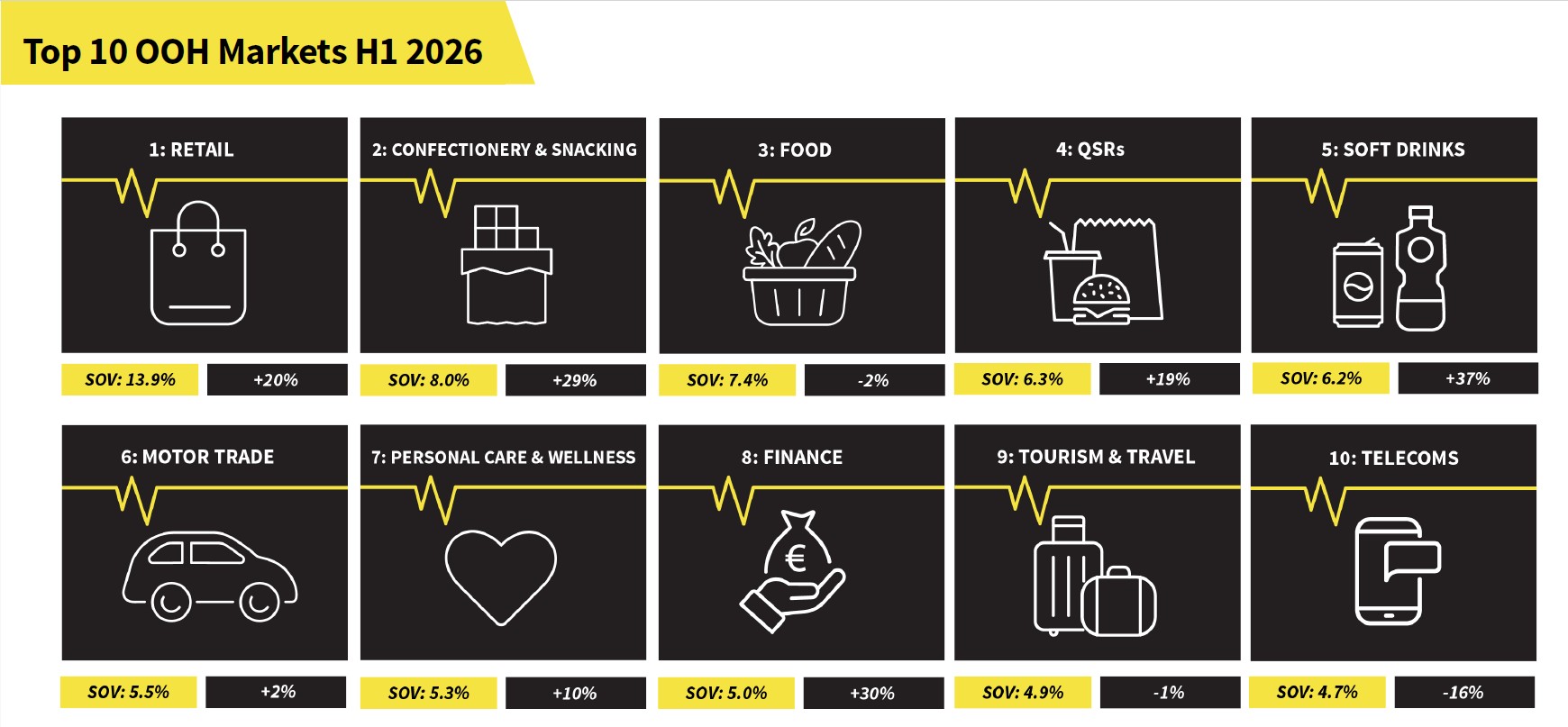
Significant growth was also recorded across Confectionery & Snacking (+29%), Soft Drinks (+37%). The largest overall advertiser, Mondelēz increased investment by more than half while Coca Cola, Suntory and Nestlé all expanded their OOH footprint.
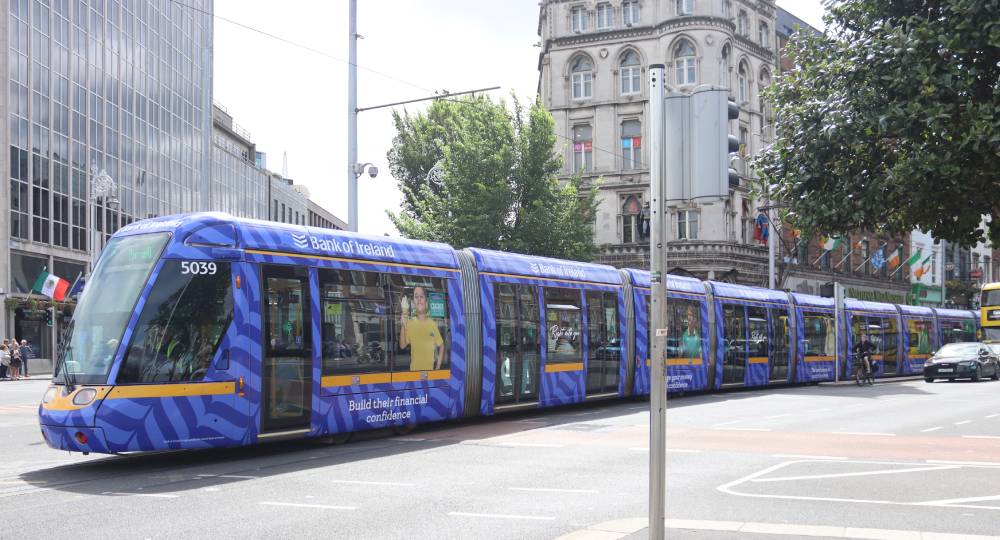
Another growth sector was finance which witnessed a growth of 30%. Banking account for over half of that display and was up 83%. Campaigns included AIB, Bank of Ireland, An Post Money and the launches of Zippay, MoCo and Monzo.
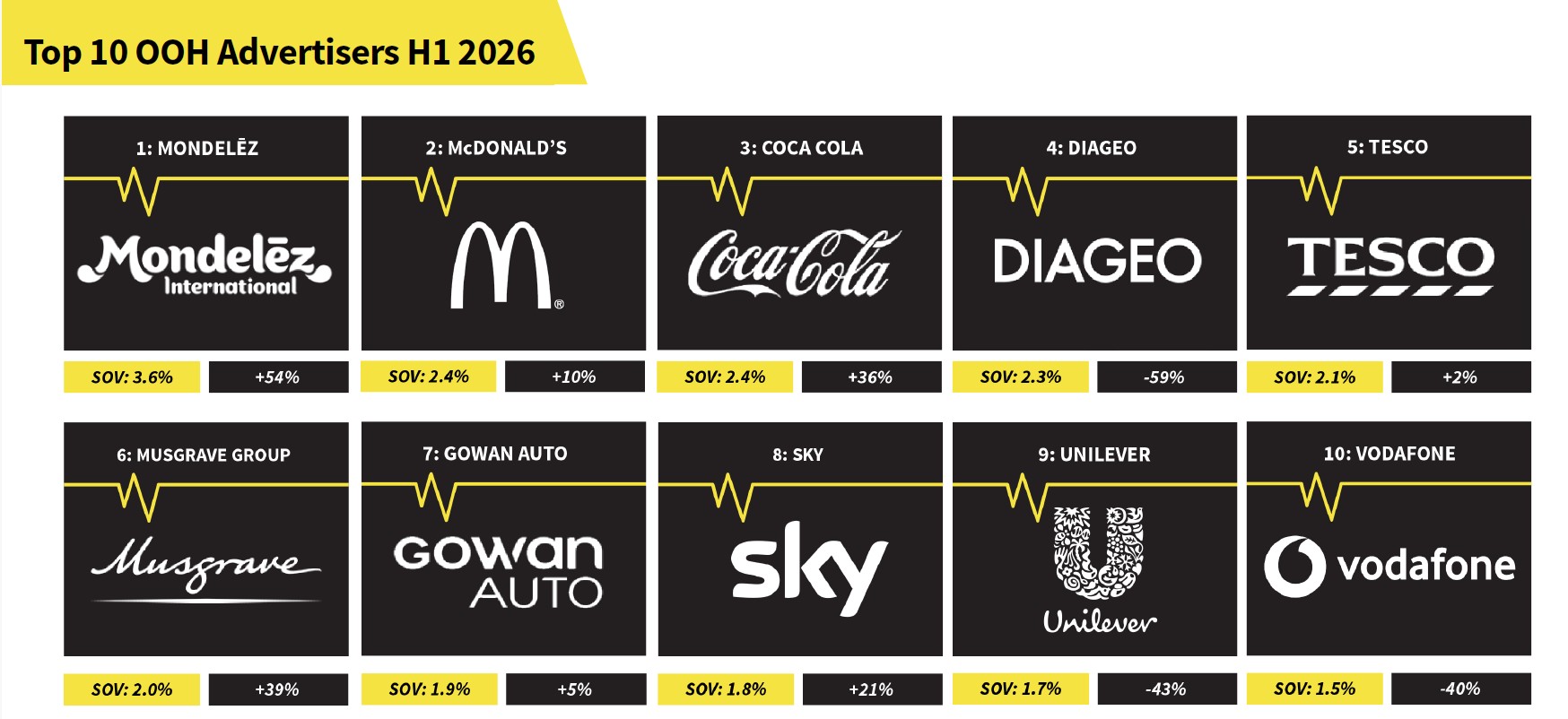
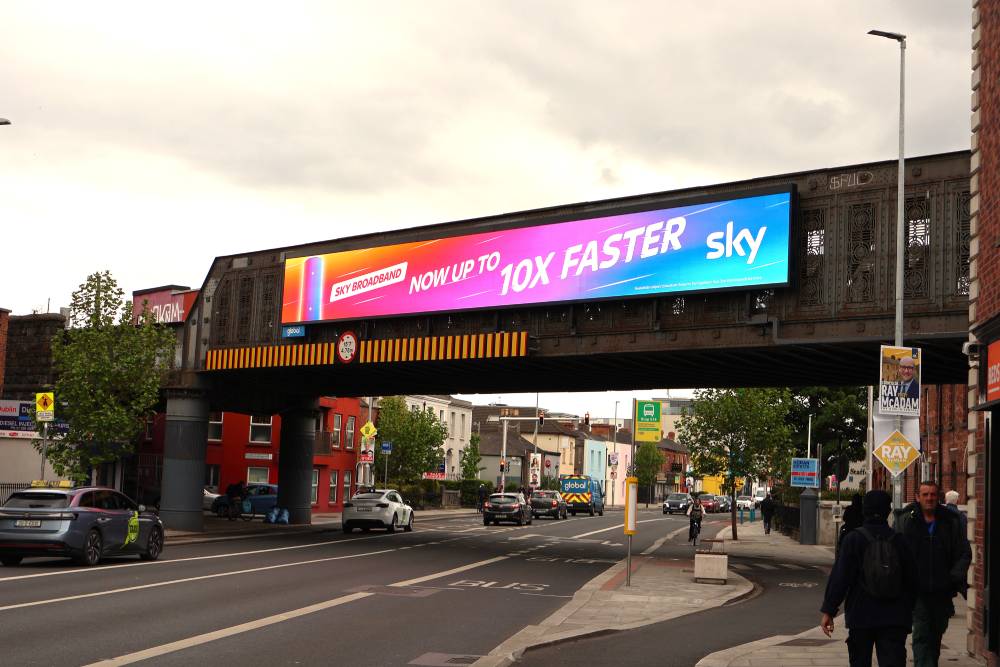
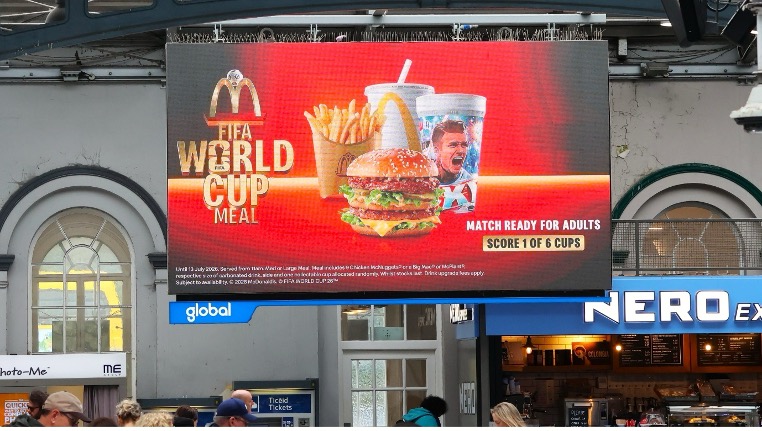
Elsewhere McDonald’s and Sky also increased investment in the medium and cemented their presence in the Top 10.
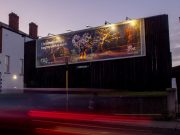
It was a buoyant six months for film releases with OOH activity up by a third. Sony Pictures’ Project Hail Mary was the largest campaign while Disney Studios went large for Hoppers and Toy Story 5.
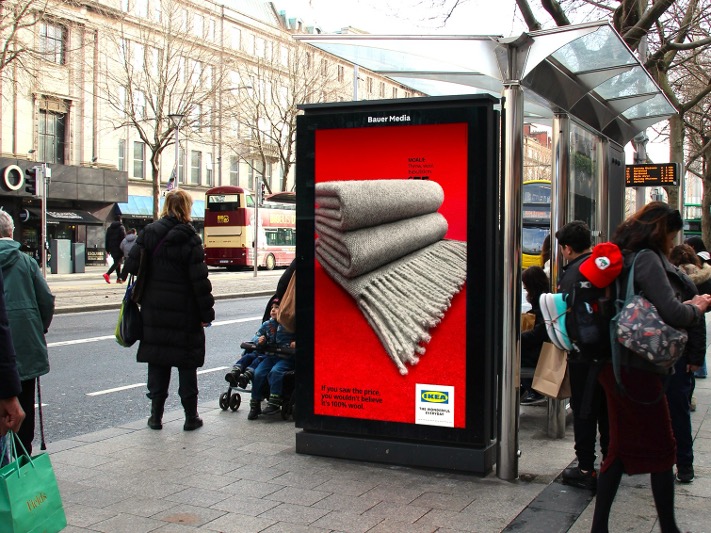
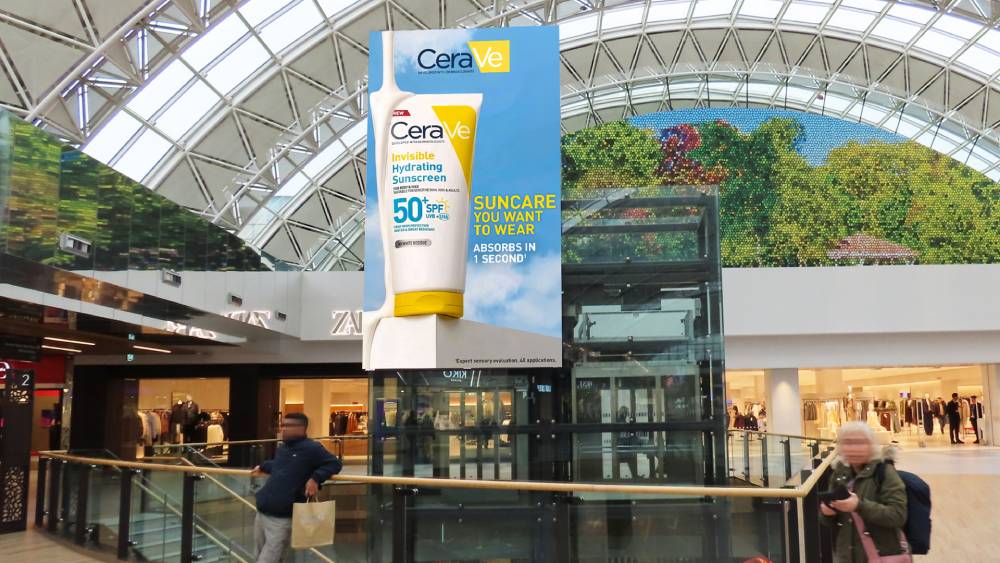
OOH’s enduring strength lies in its presence within the real world, with 59% of all display activity occurring in roadside environments, complemented by a further 20% in retail and 20% in travel settings. At the same time, the medium continues to evolve at pace. Digital formats now account for half of all OOH activity, representing a 23% increase in display and fuelled by the continued growth of Dynamic and Programmatic activations. This accelerating digital transformation is expanding the creative, contextual and data-enabled capabilities of the channel, allowing advertisers to connect with audiences in more relevant, responsive and measurable ways than ever before. Leading advertisers are increasingly adopting multi-format strategies that blend the enduring reach and scale of Classic OOH with the precision, agility and contextual intelligence of Digital, creating campaigns that work seamlessly across both brand-building and tactical objectives.
The convergence of Classic, Digital, Dynamic and Programmatic OOH reflects a broader shift in how the medium is being deployed by Ireland’s leading brands. No longer viewed simply as a channel for visibility and reach, OOH is increasingly recognised as a platform that combines mass influence with real-time adaptability. Advertisers are harnessing the power of brand building, creative excellence, proximity, context and moment-based relevance, while also leveraging advances in data, automation and audience intelligence to enhance campaign effectiveness. As media strategies become more connected and consumer journeys more fluid, OOH is uniquely positioned at the intersection of the physical and digital worlds, delivering both enduring brand impact and timely audience engagement.
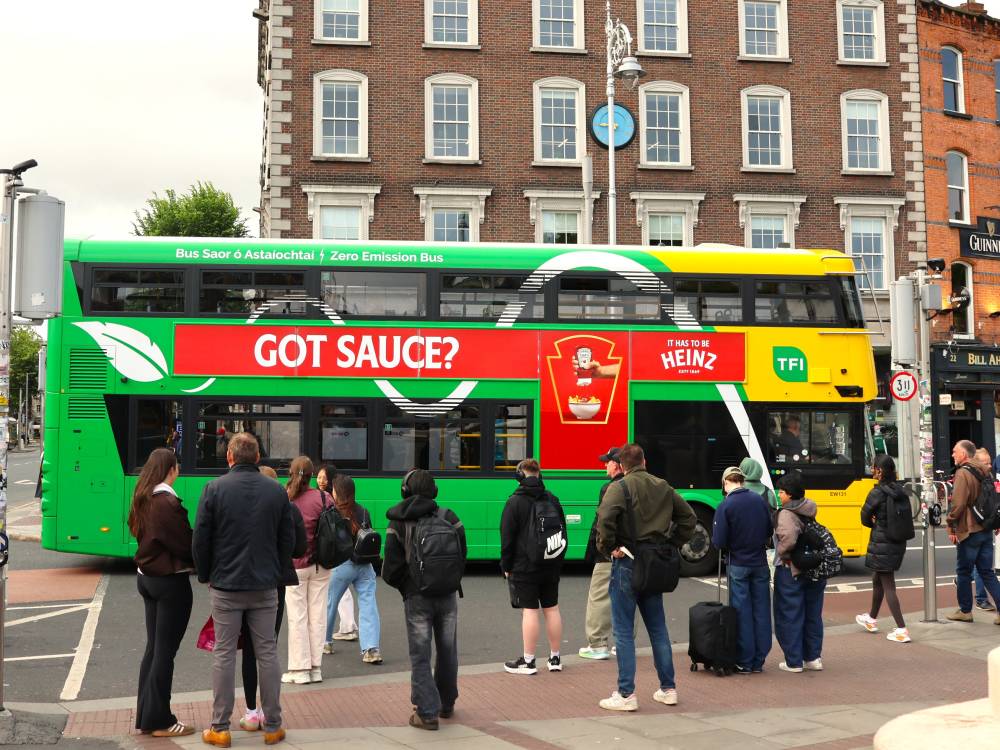
The breadth of advertiser participation during the first half of the year further underlines OOH’s relevance across the Irish economy. From retail, FMCG, telecommunications and finance to technology, entertainment, automotive, public sector and emerging digital-first businesses, organisations of every scale continue to invest in the medium to achieve a wide range of commercial objectives. This diversity demonstrates that OOH is not confined to any single category or marketing challenge. Instead, it has evolved into a highly versatile communications platform capable of supporting everything from brand launches and product innovation to retail footfall, reputation building and performance-driven activation.
Beyond the growth of Digital OOH, the first half of the year also highlighted the increasing appetite among advertisers for innovation and deeper audience engagement. Brands are continuing to push the boundaries of what is possible through experiential activations, special builds, immersive creative executions and integrated campaigns that connect physical environments with digital channels. Transit remains a critical part of this ecosystem, enabling brands to engage highly mobile audiences throughout their daily journeys while extending campaign reach across key commuter and urban environments. Together, roadside, retail, travel, transit and digital formats are creating a richer and more connected OOH landscape, offering advertisers the ability to deliver both scale and standout in equal measure.
Taken together, these trends point to a medium that is not only adapting to the future of advertising but helping to define it. As technology, data, creativity and measurement continue to converge, OOH is becoming smarter, more connected and more accountable. Its unique ability to combine real-world impact with digital agility positions it as an increasingly important channel for brands seeking to build long-term growth while remaining responsive to changing consumer behaviours and market dynamics.
The real-world impact of this approach is clearly demonstrated through IMPACT, PML Group’s ongoing effectiveness study conducted in partnership with Ipsos B&A. During the first half of 2026, more than 500 Out of Home campaigns were evaluated, providing a robust evidence base on what drives stronger campaign performance.
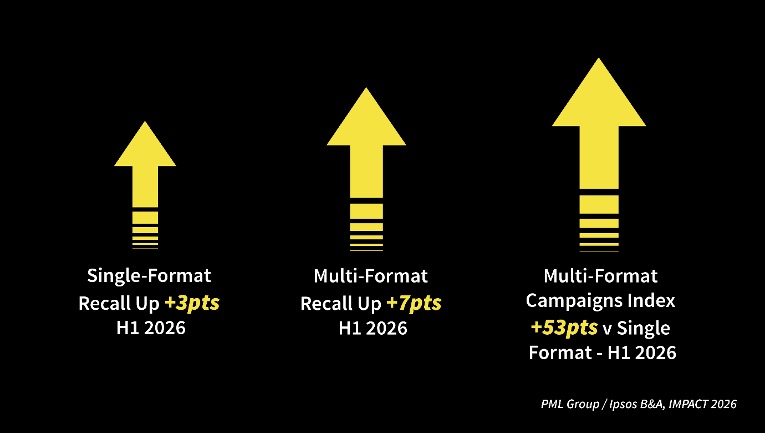
The findings reinforce the power of a multi-format, multi-environment strategy in building audience reach, awareness and brand recall. While campaign recall has improved across the board in 2026, the gap in performance between single-format and multi-format campaigns is significant. On a like-for-like basis, single-format campaigns are indexing 3 points ahead of 2025 levels, while multi-format campaigns are delivering a 7-point increase year-on-year. Most notably, when comparing campaign types directly, multi-format campaigns achieve an average recall score that is 53 index points higher than single-format campaigns.
Colum Harmon, Marketing Director at PML Group, commented:
“These findings provide compelling evidence that advertisers achieve stronger outcomes when they embrace the full breadth of the Out of Home medium. A multi-format strategy not only increases reach across diverse audience environments but also significantly strengthens campaign recall. As brands look to maximise effectiveness, the data continues to show that integrated Out of Home planning delivers a clear and measurable advantage.”
These findings not only reinforce the effectiveness of a multi-format OOH strategy but also reflect the broader strength, innovation and continued evolution of the medium, as highlighted by Geoff Lyons, CEO, PML Group:
“The first half of the year has once again demonstrated the remarkable breadth, strength and vitality of the Out of Home market. The diversity of advertisers investing in the medium, from established household names and public sector organisations to challenger brands and digital-first businesses, highlights OOH’s unique ability to deliver value across virtually every category and stage of business growth.”
“What is particularly encouraging is the way advertisers are embracing the full spectrum of OOH opportunities. Alongside the continued growth of Digital, Dynamic and Programmatic OOH, we’ve also seen some outstanding examples of innovation, experiential activations and creative excellence. Brands are increasingly looking beyond visibility alone and using OOH to create meaningful engagement, memorable experiences and stronger audience connections.”
“Transit continues to play an important role within that evolution, enabling advertisers to connect with people throughout their daily journeys and extending the reach of campaigns across key commuter and urban environments. Combined with roadside, retail and travel locations, it reinforces OOH’s ability to engage audiences at scale while delivering context, relevance and impact.”
“In an increasingly fragmented media environment, OOH offers something few channels can replicate: the ability to build brands in the physical world while leveraging the intelligence and agility of digital technology. As innovation, data, creativity and measurement continue to advance, OOH is becoming smarter, more connected and more accountable. We believe its role will only grow in importance as brands seek new ways to balance long-term brand building with real-time audience engagement. OOH is no longer just a medium that reflects how people move through the world; it is increasingly a medium that responds to it in real time.”