
















 Aaron Poole, Marketing Insights Manager, PML Group, with this week’s Reminder Effect research
A reminder only works if people know what it is reminding them of: A logo glimpsed in passing. A colour seen again. A product shot. A familiar pack. A line that sounds like the rest of the campaign. A character, offer or visual style that helps one encounter connect with another. These are the cues that help advertising memory return.
Over the past two weeks, PML Group’s Reminder Effect research has looked at how campaigns stay in mind and when those memories become more useful. The first wave showed the value of repeated encounters. The second showed how memory becomes more powerful when it meets the moment. The final piece of the puzzle is recognition.
A campaign can appear in the right place, at the right time, close to the right decision, but people still need to connect what they are seeing now with what they have seen or heard before. That connection is what turns another exposure into a reminder.
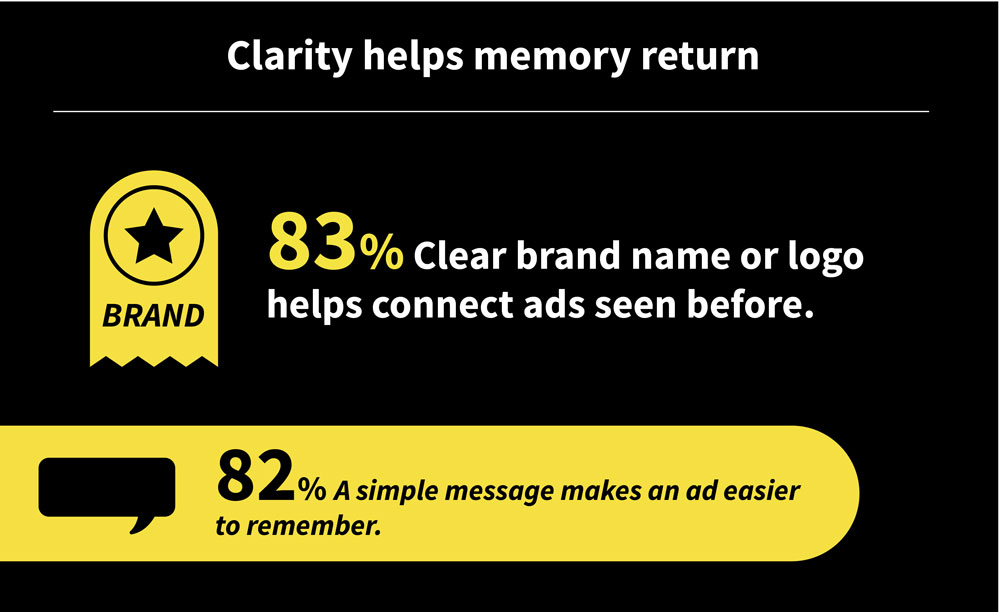
Among Dublin respondents aged 16-54, 83% agreed that a clear brand name or logo helps them connect an ad with one they have seen before. A further 82% agreed that a simple message makes an ad easier to remember when they see it again.
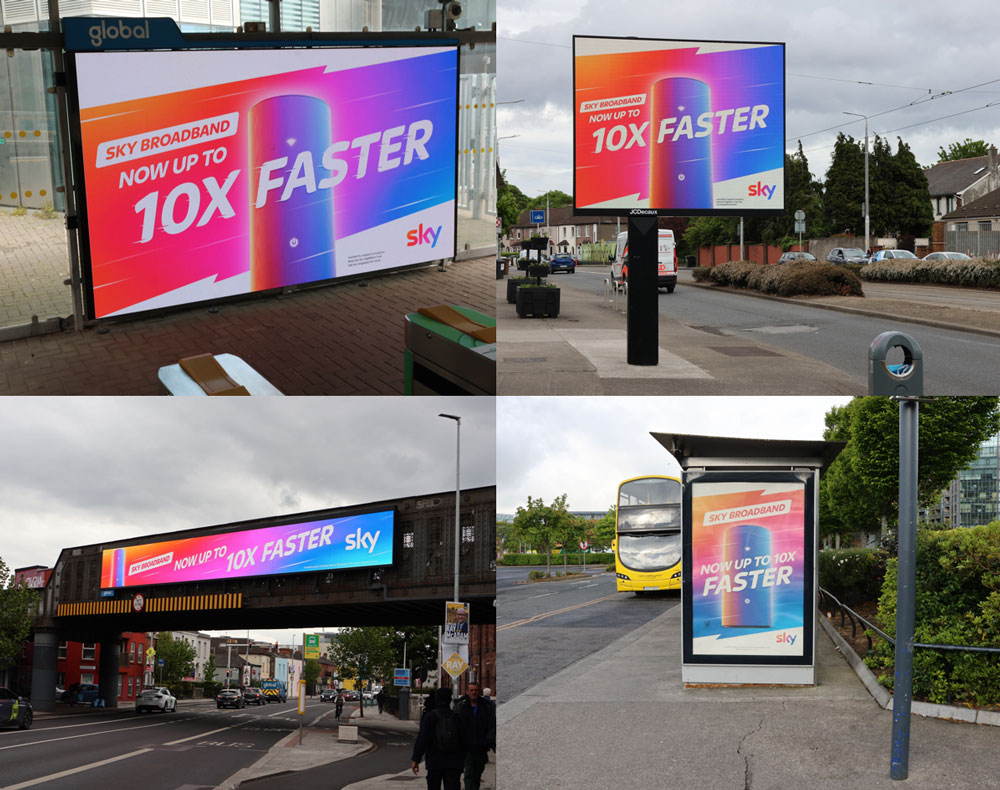
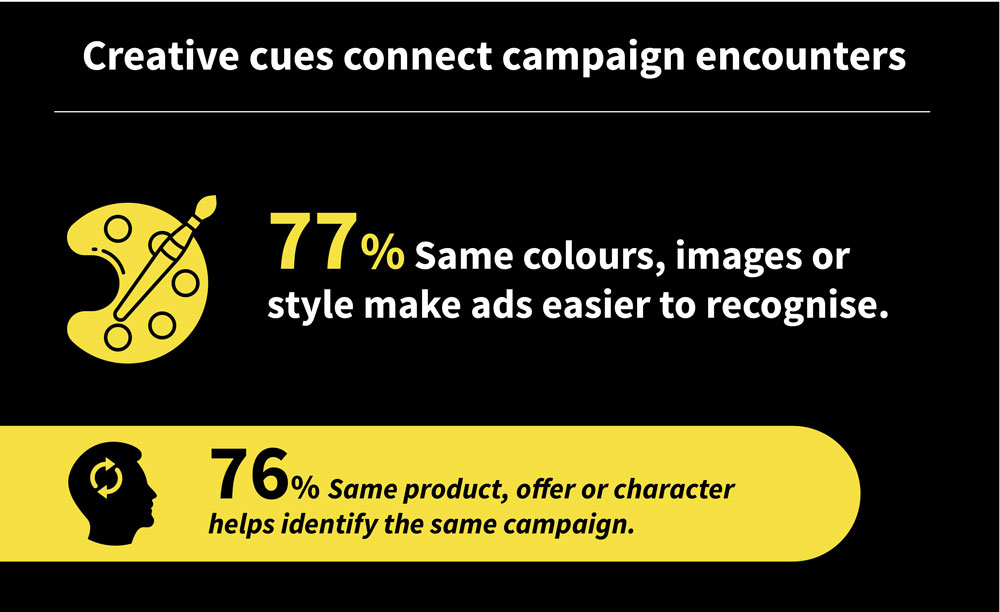
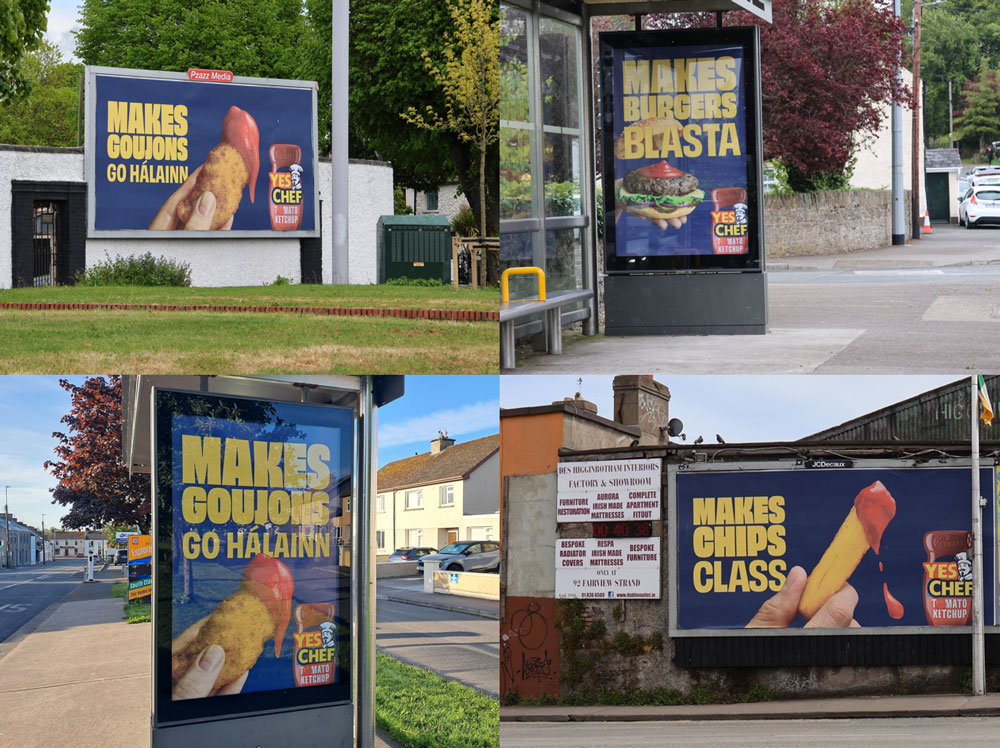
Visual consistency also matters. More than three quarters, at 77%, agreed that they find it easier to recognise an ad when it uses the same colours, images or style in different places. Similarly, 76% agreed that seeing the same product, offer or character in different places helps them recognise it as the same campaign.
Together, these findings point to a simple creative truth. Memory is easier to activate when the brand is easy to recognise and the message is easy to understand.
That matters for all media, but it matters especially for Out of Home. Outdoor ads are often encountered while people are moving, commuting, shopping, socialising or making plans. They are seen in public, in passing, and alongside everything else happening in the real world. In that environment, creative has to work quickly. People should not have to solve the ad before they can recognise the brand.
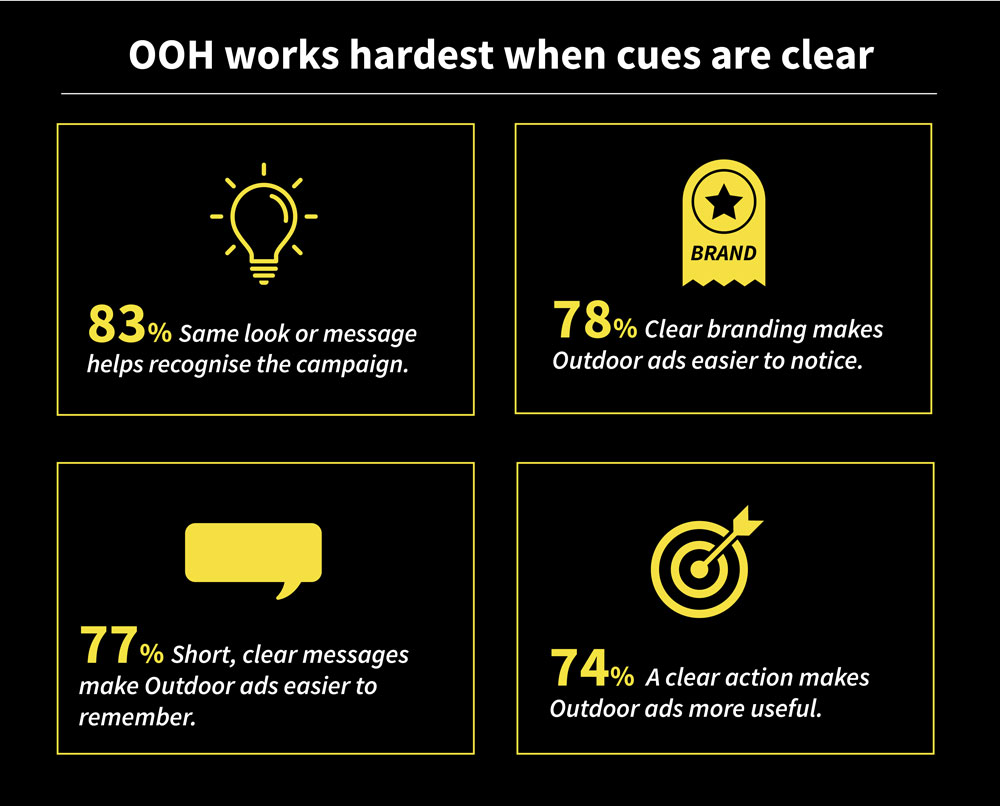
The OOH findings from this wave underline that point. More than eight in ten respondents, at 83%, agreed that ads seen outside the home help them recognise a campaign when they use the same look or message as ads they have seen elsewhere. A further 78% agreed that these ads are easier to notice when the brand is clear straight away, while 77% agreed they are easier to remember when the message is short and clear. Almost three quarters, at 74%, agreed that Outdoor ads are more useful when it is clear what the ad is asking them to do.
This moves creative consistency from a design preference into a planning consideration.
If someone has already encountered a campaign on TV, radio, social, online video, digital audio or another channel, OOH can help bring that memory back. But the connection is strongest when the campaign carries recognisable cues from one environment to another.
That does not mean every format or channel needs to look identical. Different environments have different jobs to do. A large-format roadside execution, a transport panel, a digital mall screen and a social video do not need to say everything in exactly the same way. But they do need enough shared cues for people to know they are part of the same campaign.
This is an important distinction for OOH planning. Consistency does not mean sameness. A campaign may need to work differently on a roadside 48 Sheet than it does on a digital mall screen, a transport format or a social video. The viewing environment, dwell time, audience mindset and proximity to action all change how the creative should behave.
What needs to remain consistent are the cues that allow people to connect one encounter with another. The brand should be easy to identify. The message should be simple enough to process quickly. The visual world should feel familiar. The product, offer, character or line should help people recognise that they are seeing the same campaign again, even when the format or context has changed.
That is where reminder planning becomes a creative discipline as much as a media one. It is not enough to place a campaign in multiple environments and assume the memory will follow. The campaign has to carry enough recognisable material from place to place for the Reminder Effect to work.
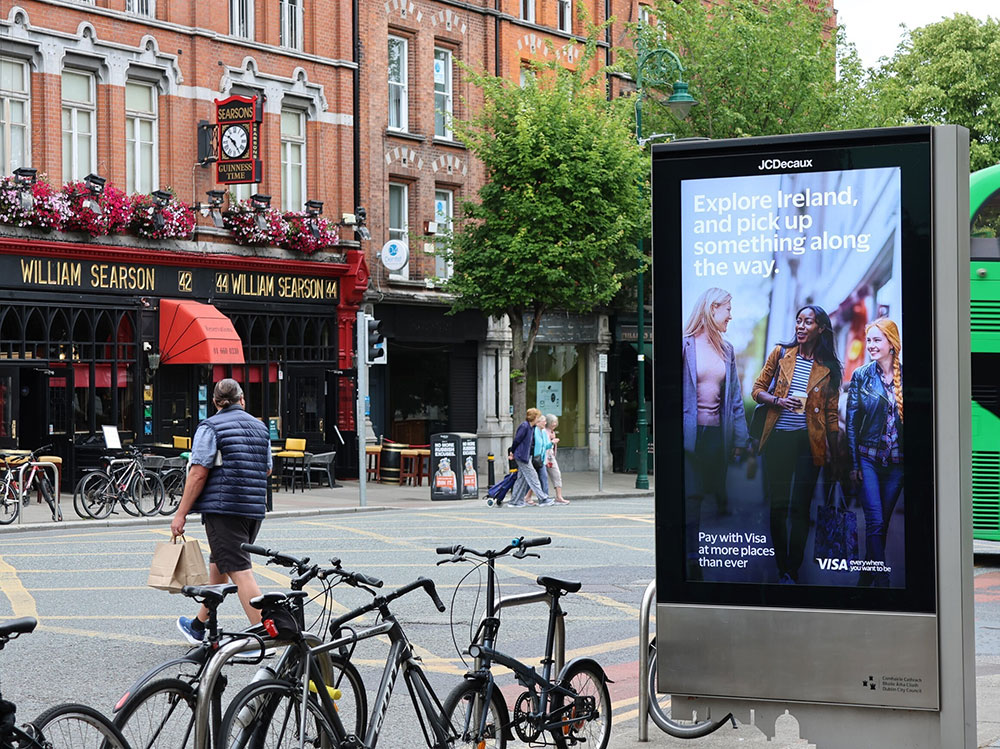
For OOH, this makes creative discipline especially important. A street-level panel may have only a few seconds to connect. A transport format may be seen in motion. A mall or retail screen may be closer to a decision, but it still has to be understood quickly. Digital OOH can introduce time, weather, location or event triggers, but those contextual layers work best when they sit on top of a brand world people can already recognise.
When respondents were asked which features would make an ad most useful as a reminder, brand clarity came first. More than half, at 54%, selected that it is easy to see which brand it is for. A similar proportion, at 51%, selected a short and simple message.
The same look or message as ads seen elsewhere was selected by 37%, while 30% selected an ad appearing close to where they can buy or use the product. A further 28% selected an ad appearing at a time when the message is useful to them, and 26% selected an ad clearly telling them what to do next.
That hierarchy matters. The first job of reminder creative is not to say everything. It is to make the brand easy to identify and the message easy to process. Once that connection is made, the ad has a better chance of reactivating memory from another encounter.
This does not reduce the importance of timing, proximity or context. It sharpens it.
A well-timed message works harder when the brand is instantly clear. A retail or roadside placement becomes more useful when people can quickly connect the ad with the product, offer or campaign they have already seen. A dynamic digital execution can be more relevant in the moment, but it still needs a recognisable brand world to hold it together.
In other words, context may bring the memory back into play, but creative cues help people know where that memory belongs.
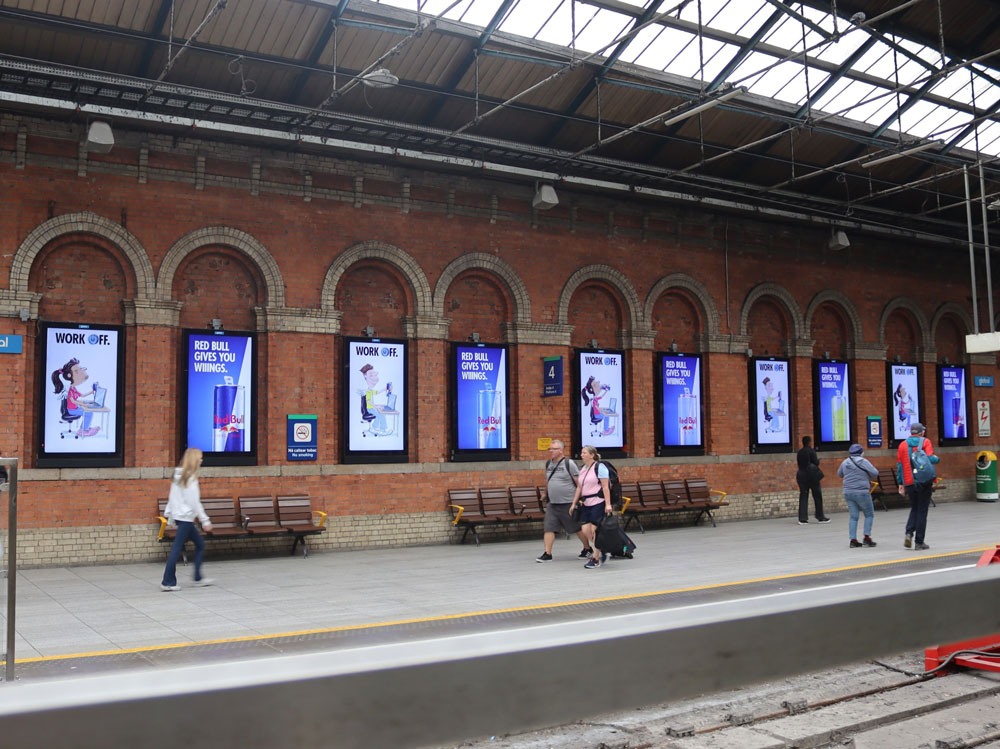
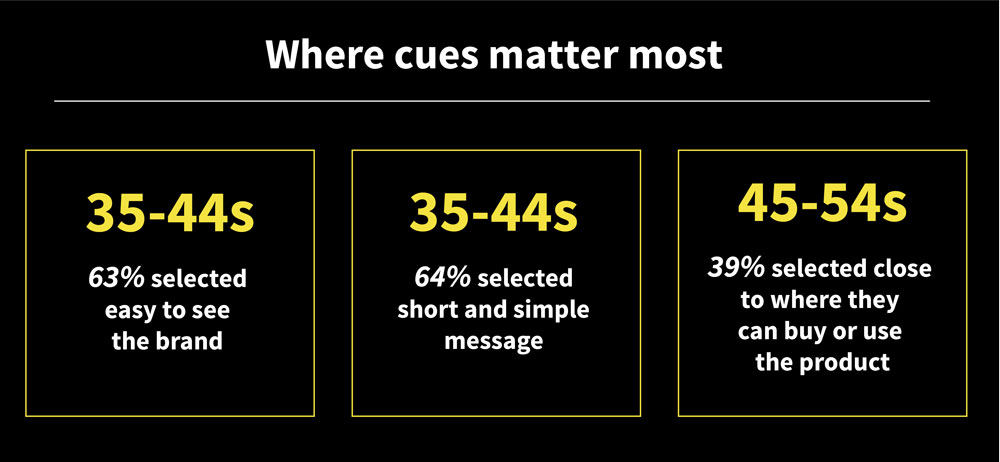
The demographic patterns add further texture. Among 35-44s, brand clarity and message simplicity were especially important, with 63% selecting “easy to see which brand it is for” and 64% selecting “short and simple message” as features that would make an ad most useful as a reminder. Among 45-54s, proximity was more pronounced, with 39% selecting an ad appearing close to where they can buy or use the product.
That suggests reminder cues do not work in one uniform way for every audience. For some groups, the strongest signal may be instant brand recognition. For others, it may be simplicity, consistency, proximity or a clear next step. The planning opportunity is to understand which cue matters most for the audience and objective, then make sure the campaign is built to carry that cue across environments.
For OOH, the implications are practical. Large formats can build stature and presence, but they still need distinctive cues that are easy to recognise at a glance. Street-level and transport formats can bring campaigns into daily movement, but short messages and clear branding become essential. Retail and mall environments can place brands closer to shopping and decision-making, but the product, offer or next action needs to be understood quickly. Digital OOH can add timing, location, weather, events and other contextual triggers, but the creative still has to connect instantly to the brand and wider campaign.
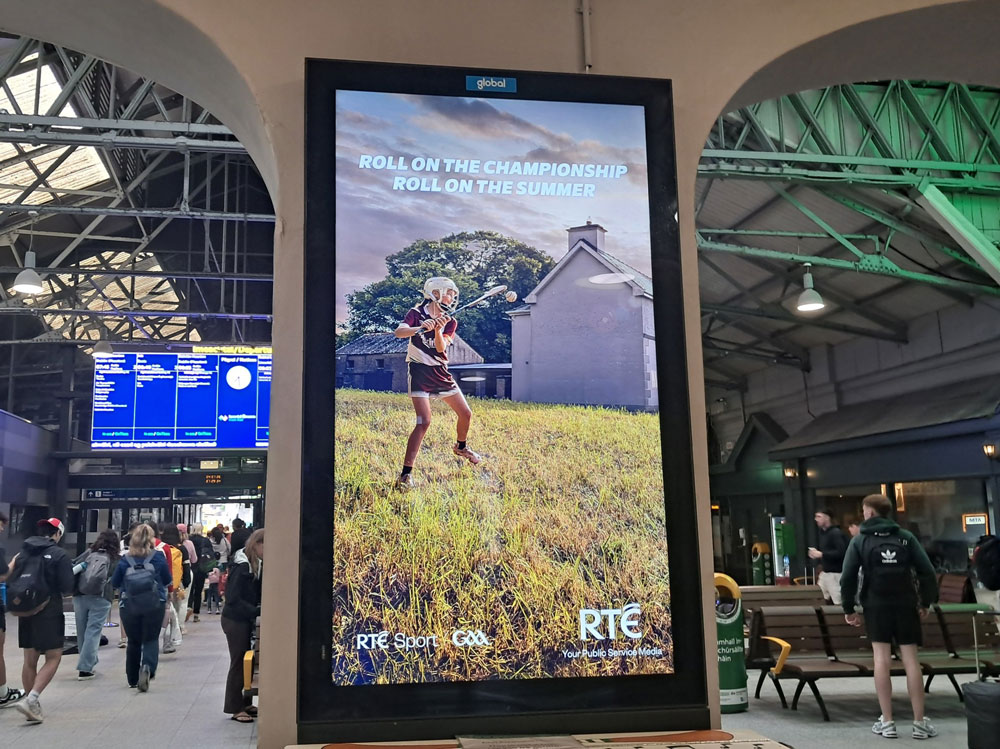
Taken together, the three waves show that reminders are not accidental. They are planned through where campaigns appear, when they appear and how easily they can be recognised.
Wave one showed that campaign memory is built through repeated encounters. Wave two showed that memory becomes more powerful when it meets the moment. Wave three shows that reminders work hardest when the brand, message and creative cues are clear enough to be recognised quickly.
The full implication is that reminder effects are not built by frequency alone. They depend on campaigns being visible across places, relevant to real-world moments and consistent enough to be recognised when people see them again.
OOH is well placed to play that role because it brings brands into the public environments where people are already moving, choosing, shopping, socialising and planning. It can reinforce messages from other media, refresh memory in relevant contexts and make campaigns easier to recognise when the moment arrives.