










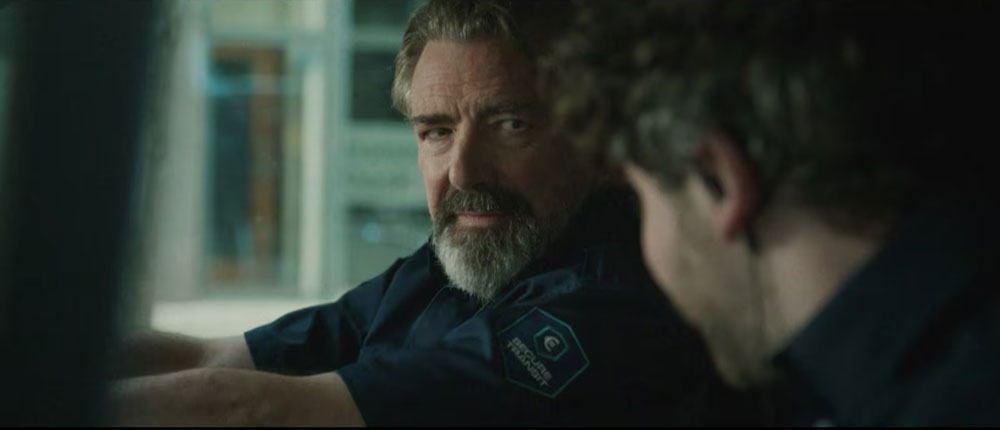
 There is nothing quite like a controversy to get the advertising industry up in arms. An ad can run unnoticed for weeks, but the moment questions are raised about its originality, its creative integrity or the fine lines between inspiration and imitation, the debate takes on a life of its own and everyone has an opinion. What began as a campaign suddenly becomes an existential conversation about the industry itself.
This is precisely what has happened after AdWorld.ie published a story two weeks ago about the National Lottery’s new campaign being a near frame-by-frame adaptation of a similar ad that was aired in New Zealand back in 2018.
In some quarters, the story was greeted with outright shock and disbelief. In others, there was a more resigned acceptance that, in an AI-fuelled world of shrinking budgets, compressed timelines and relentless pressure to deliver more for less, such practices could become increasingly commonplace. Others, mainly fence-sitters, said there’s nothing new to re-purposing an old ad, when and where appropriate.
For many, however, the debate is not so much about the actual campaign per se. It’s about a growing unease over originality, creative ambition and whether Irish advertising risks becoming a helpless curator or imitator of existing ideas rather than a vibrant creator of new ones.
So, we asked three key industry folk for their views and whether or not the National Lottery got this one wrong or right.

Ken Roberston
CEO, The Tenth Man
During the week, I posted a few thoughts on LinkedIn about The National Lottery’s latest campaign. I expected a handful of likes, a few eye-rolls and perhaps the odd accusation of professional jealousy. Instead, something far more interesting happened.
The Irish advertising industry stopped scrolling.
Creative directors, agency founders, marketers, strategists, producers and journalists piled into the comments. Some agreed. Some disagreed. Many sent me private messages. By the end of the day, what started as a passing observation had become one of the most animated debates our industry has had in years.
Let me be clear, nobody is questioning the legality of what the National Lottery has done. That’s not the point.
The point is that one of Ireland’s biggest advertisers, with one of the biggest marketing budgets in the country, had a choice. It could have commissioned an original idea from Irish creatives. Instead, it chose to import one.
That decision matters because the National Lottery isn’t just another advertiser. It is one of the most visible and influential brands in the country. The signals it sends ripple throughout the entire industry.
Which is why I have been surprised by IAPI’s silence.
Ireland is enjoying a once in a generation cultural moment. Fontaines D.C., Kneecap and CMAT are exporting Irish creativity to the world. Our filmmakers are winning Oscars. Our writers, designers and creators continue to punch absurdly above their weight internationally. The common thread isn’t adaptation. It’s originality.
For decades, Irish advertising earned a global reputation because clients were brave enough to back original ideas and agencies were brave enough to fight for them. If our ambition now is simply to localise work that has already succeeded elsewhere, that’s a pretty sobering reflection on where we’ve arrived.
Because if the representative body for Irish agencies doesn’t have a view when originality is being replaced by adaptation at the highest level of Irish marketing, then what exactly is it there to defend?
This stopped being about one campaign a long time ago. It’s about whether Ireland wants to continue creating ideas the rest of the world borrows, or whether we’re becoming comfortable borrowing theirs.
That feels like an important debate. One that’s well worth having.
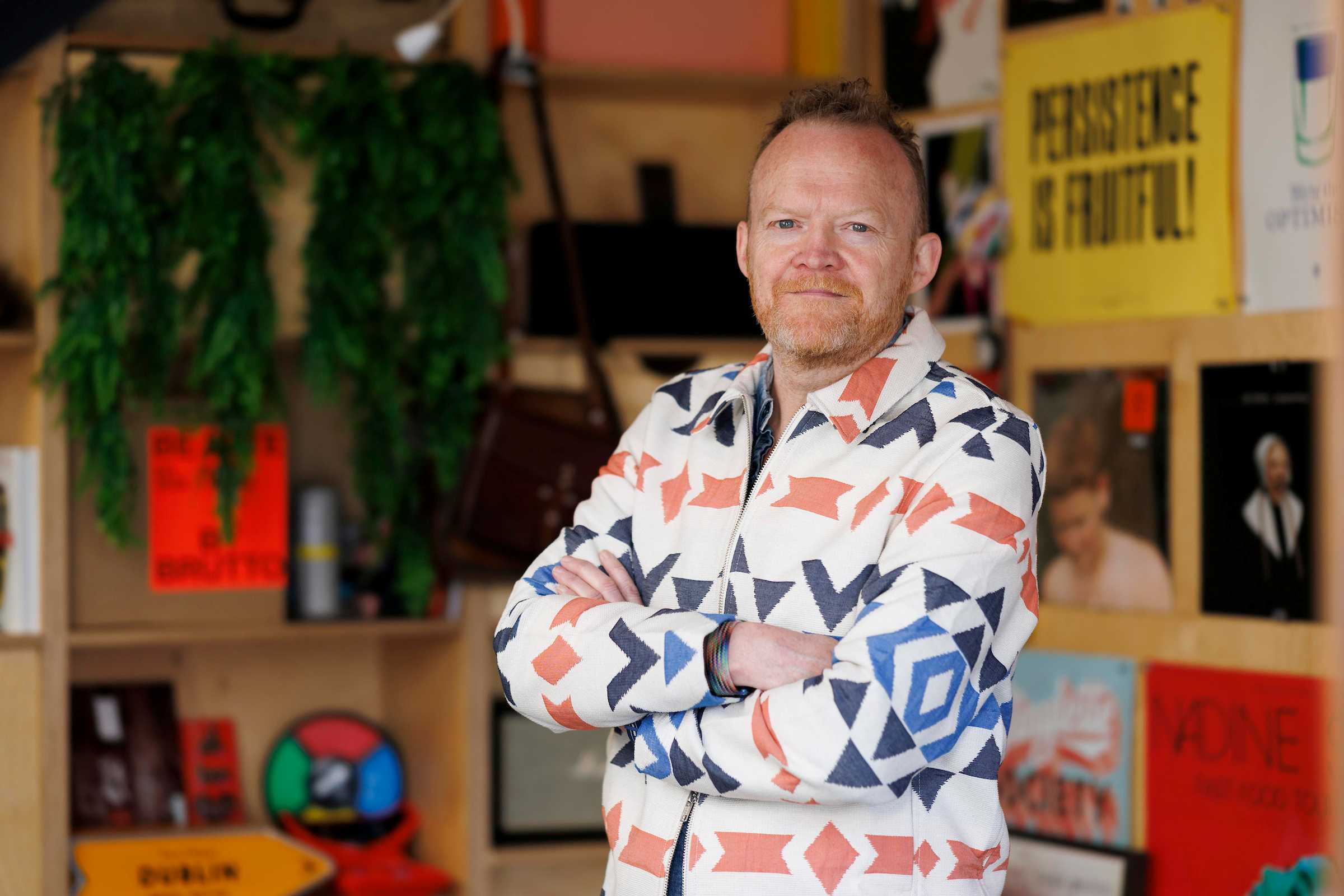
Dylan Cotter
Managing Director and Head of Agency EMEA, ACNE, part of Deloitte Digital
It’s easy to see this from both sides, but there’s been an abundance of spokespeople for the shouldn’t-have-done-this contingent so I’m sitting on the okay-to-do-this side for a minute.
The National Lottery has one of the most experienced marketing teams in the country. That team has a marketing budget to sell tickets and grow brand value, not to sponsor the Irish creative industry. I expect the team would not make a decision like this lightly – they’ve probably researched the original NZ ad, found it resonated with an audience here, licensed it legitimately and employed lots of people in the Irish industry to adapt and reshoot it.
It’s important to note that in the PSA space (and lotteries are arguably PSA-adjacent) this is common practice. I’ve been on both sides of these adaptations before. It’s all very legit, very precedented, and it’s often a way of saving marketing budget to spend on other locally originated work. Worth noting that when an Irish ad is licensed for use or adaptation elsewhere, it’s a compliment we take and celebrate.
I guess the raw nerve this has touched is around the concept of originality. We could all jibber jabber for miles about originality, what is it, is it really the most important thing, is it a thing at all, etc. But in this context: from an audience POV this is an original idea, because most people here didn’t see the NZ ad. It’s just an original idea that didn’t originate here. Objecting to that is more about protectionism than integrity.
Would it be good if every advertiser did this for every ad? No. Is there any indication that’s going to happen? No. Is it a reason to publicly ridicule one our best advertisers and call on IAPI to pull up the drawbridge? No!
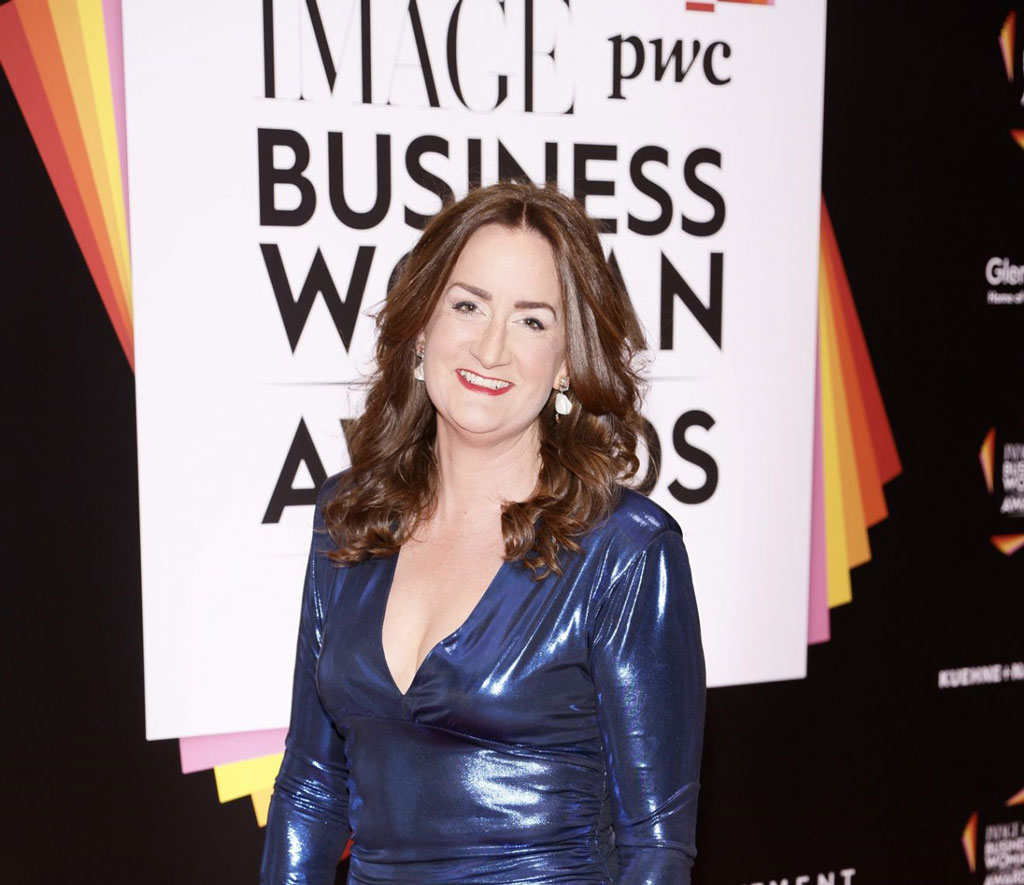
Roisin Keown
CEO, The Brill Building
Oh lads, a furore. It’s been ages in advertising since we had a good furore.
Despite there being a little too much glee in the ‘gotcha’ from some quarters, a good bloody furore, to get the blood up, is a good thing.
It prompts conversations, challenges, and for us to ask of ourselves are we doing the right things. Is it though, in the year 2026, the right thing to be getting ourselves worked up about and would all that energy be better used in a collective effort to challenge the real threats to our industry and devise the solutions?
Let’s consider.
Okay, first the issue at hand. You will find those of us who have made Ireland’s best advertising for 20 years or more loath to criticise another agency’s work publicly or directly. Why? Well, none of us were ‘in the room’. We don’t know the commercial considerations, the challenge to a direction that failed, the reasoning behind one decision over another.
That’s how we ensure assumptions don’t become unfounded accusations as some of the debate on “The Lottery Ad” storm began this week. That’s not to say we don’t know good work from bad work. We do. And too many don’t.
Local adaptations of global work are common. In my previous agency, we adapted a global Lucozade creative platform- ‘This Kind of Energy’- and the creative campaign to create an entirely original/local version of same. It was hugely successful both commercially and creatively. However, it is very unusual for an ad that was made so long ago, in another territory, to be licensed and adapted as it has been.
As part of the team at my alma mater, DDFH/JWT, that made one of National Lottery’s most successful ever campaigns (An Island for Ireland), I know the best work is founded on the great basics.
In short, there’s only three: a profound consumer insight that provokes reappraisal; a big fresh idea and powerful, emotional and excellent execution.
That’s it. That’s all there ever is to do in advertising. Simple to recite. Hard to do well. Like knowing how Tiger Woods hits a golf ball but struggling to have the same result when you try yourself.
The original NZ version took some big swings. Its success isn’t in the plot twist but the humanity and significant cultural themes it manages successfully. Race. Identity. Immigration. Integration. Isolation. Connection. Friendship. And what we value as humans.
These issues are no less delicate anywhere else than they are in Ireland. How amazing it would have been if the National Lottery ad – in fact any heritage or iconic brand in this country – really took on those contemporary themes of our collective lived experience to paint a picture of who we want to be as our best selves. It didn’t. For reasons unknown.
I want to hazard, with the over-confidence of an opinion-piece and a complete lack of access to the decision-making that left all that out, that we might be talking less about the idea licensing if it had been willing to grasp that nettle.
We are talking about the licensing of course. About originality and ownership. About creativity and survival. About globalisation and local pride. These are exactly the things we should be tackling as an industry but here’s my view from the top of this hill – thinking this particular spot is the place to fight it on is at best misguided. At worst, I can’t help feeling it’s opportunistic.
Why? There are bigger battles, lads. And we need to join together to win them.
Originality. We can’t talk about it without talking about A.I. – the wholesale theft of intellectual property and destruction of copyright under the guise of ‘training’ ‘models’ to transfer the world’s human capital, experience and intelligence to six billionaires in Silicon Valley.
Most people don’t actually truly understand A.I. and originality implications of course.
Because you would never proudly claim anything was “100% A.I.” – or allow your agency to – if you did. “100% A.I.” in generative creative terms is 82% other people’s work, learnings and original IP regurgitated with an 18% A.I. veneer (percentages entirely not fact-checked).
This puts your agency and client at risk of plagiarism. That’s where the originality debate gets the pointiest.
Meanwhile, U.K. artists and creatives have joined together and are currently united in pushing, so far successfully, to reinstate IP ownership and block tech company hegemony from seeing hundreds of years of copyright law from being swept aside.
Oh man, there’s a bandwagon worth joining. Where is ours? I suggest whoever gets themselves the most by-lines on opinion pieces on this furore starts it. Alas, this will be my one and only.
In the week when former Virgin Media TV boss Pat Kiely’s seriously inspiring and impressive Bigger Stage is opening huge production facility in Limerick thereby securing the future of television production in Ireland into the near future, where is our tax incentive for survival?
Tax breaks to encourage global markets to source in Ireland for the world class commercial strategy, creativity and production of Irish agencies would not reflect some want or need.
Quite the opposite. It would be a vote of confidence. One that I can’t help thinking Irish clients would take note of too. “Nike US is sourcing strategy, creative and production in Ireland because of the amazing talent and the attractive tax rate? Sign me and “Homespun Big Irish Brand here.”
Huge robust national industries like finance, banking, pharma and food production – and most recently film production – have grown exponentially with their introduction. These are not a nice-to-have for those industries. They are essential to their survival and growth. It is the same for ours.
In conclusion, a bit of argy and outrage is great for getting us all activated about what’s important and what we value. I’d love to believe the animated discussion on the Lottery ad provokes a much bigger activism that pivots us away from navel-gazing and pot-shots into seeing the big opportunities for a win on the battlefields outside our industry or agencies.
If we could turn our collective firepower on them, we’d all get to build the best version of ourselves.