















 Tayto has topped the 2026 RED C Brand Reaction Index which measures emotional connection with 196 brands across a variety of categories, writes Gavin Costello.
This week RED C Research released the Brand Reaction Index, now in its sixth wave, which measures emotional connection with 196 brands across a broad variety of categories.
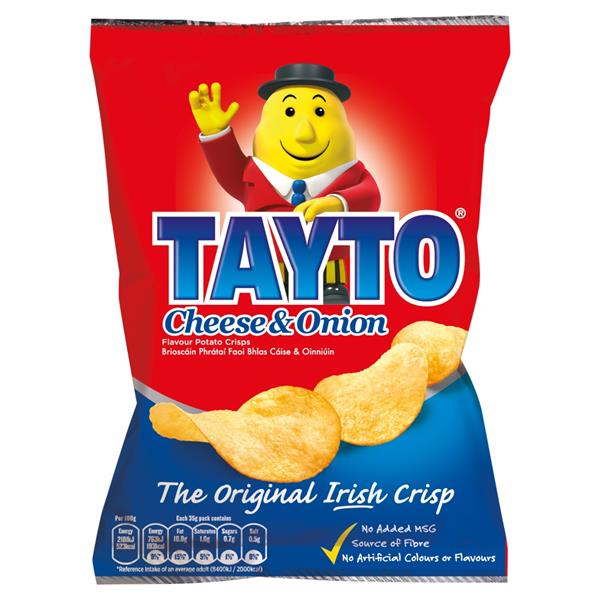
Tayto has successfully retained the coveted title of Ireland’s most emotionally connected brand, reinforcing its status as an iconic Irish brand. For generations, Tayto has been part of everyday Irish life, from humble crisp sandwiches in lunchboxes to picnic baskets and family gatherings. Its strength lies in becoming more than a snack; it has become a shared cultural ritual, associated with familiarity, nostalgia and moments of connection. The brand also continues to engage consumers through new product launches, partnerships and culturally relevant campaigns without losing the familiarity that people know and love.
New entrant Penneys claims the coveted #2 spot by achieving something rare in retail: making low prices feel emotionally rewarding. By combining trend, quality and affordability, it enables consumers to express themselves and enjoy small indulgences without compromise. Like Tayto, Penneys is woven into the fabric of Irish life. From school uniforms to holidays abroad, it has become part of everyday milestones and memories, giving the brand a cultural relevance that extends beyond its products. Its “treasure hunt” shopping experience, where every visit offers the possibility of an unexpected find, creates anticipation and delight, building an emotional connection that extends beyond price.
Strong performances from both Dunnes and Lidl see the supermarkets climb the rankings to #3 and #4 respectively, standing out in one of Ireland’s most emotionally charged categories. Lidl is also one of this year’s biggest movers, strengthening its emotional connection with consumers by delivering value when household budgets remain under pressure. It has also made shopping easier and more rewarding through innovations such as self-service checkouts and enhancements to Lidl Plus, while reinforcing its broader purpose through initiatives such as its partnership with the LGFA and the recent “Greatness Deserves to be Seen” campaign.
The Wild Atlantic Way, Netflix, The Credit Union, An Post and Brennans Bread all retain their places in the coveted top 10, while Home Store + More climbs the rankings to round out the list.
This year’s ROI Brand Reaction Index reinforces a simple but powerful truth: emotional connection is earned over time through actions, not claims. Across the top 10, while categories and business models differ, the brands creating the strongest emotional connections share a common set of characteristics. They go beyond meeting functional needs to become valued parts of people’s lives.
The top 50 brands are listed below:
| RANK | BRAND | BRI SCORE | MOVEMENT VS 2025 |
| 1 | Tayto | +62 | +4 |
| 2 | Penneys | +61 | new |
| 3 | Dunnes Stores | +60 | +6 |
| 4 | Lidl | +58 | +11 |
| 5 | Wild Atlantic Way | +52 | -1 |
| 6 | Home Store + More | +52 | +10 |
| 7 | Netflix | +51 | +4 |
| 8 | Credit Union | +50 | -5 |
| 9 | An Post | +49 | -2 |
| 10 | Brennans Bread | +49 | -4 |
| 11 | IKEA | +49 | +7 |
| 12 | Aldi | +48 | -1 |
| 13 | Revolut | +48 | +1 |
| 14 | Aer Lingus | +46 | = |
| 15 | Samsung | +46 | +1 |
| 16 | Digestives | +44 | -1 |
| 17 | Tesco | +44 | +1 |
| 18 | Magnum | +42 | -3 |
| 19 | Twix | +42 | -3 |
| 20 | Kellogg’s | +41 | +3 |
| 21 | Keogh’s | +41 | +4 |
| 22 | +40 | -6 | |
| 23 | Pringles | +40 | -5 |
| 24 | Currys | +39 | -1 |
| 25 | Hunky Dorys | +39 | -5 |
| 26 | Dublin Airport | +38 | +7 |
| 27 | Cadburys | +38 | -19 |
| 28 | Guinness | +37 | +2 |
| 29 | Flahavan’s | +36 | -8 |
| 30 | Toyota | +36 | = |
| 31 | Club Orange | +36 | +1 |
| 32 | McVitie’s | +36 | -2 |
| 33 | Bord Bia Quality Mark | +35 | -7 |
| 34 | Woodie’s | +35 | -5 |
| 35 | Ballygowan | +35 | new |
| 36 | 7up | +34 | -4 |
| 37 | Amazon | +34 | +7 |
| 38 | Baileys | +33 | -2 |
| 39 | DID Electrical | +33 | +3 |
| 40 | Harvey Norman | +33 | -1 |
| 41 | Jacob’s | +33 | -4 |
| 42 | Visa | +33 | -3 |
| 43 | Centra | +32 | +2 |
| 44 | Spotify | +32 | -4 |
| 45 | Supermac’s | +32 | = |
| 46 | Irish Life | +32 | = |
| 47 | Coca Cola | +32 | +8 |
| 48 | Channel 4 | +31 | = |
| 49 | Domino’s | +31 | +10 |
| 50 | Disney+ | +31 | +5 |
The strongest brands build connection through five key drivers:
- Presence – They become part of everyday life, weaving themselves into routines, habits and rituals.
- Emotion – They create positive emotional shortcuts. Whether through enjoyment, pride, comfort or nostalgia, they make people feel something.
- Trust – They earn loyalty through consistency. By delivering reliably over time, they become familiar, dependable and easy choices.
- Culture & Identity – They become part of conversations, traditions and shared experiences, reinforcing a sense of identity and belonging.
- Distinctiveness – They stand for something unique. Consumers know who they are, what they represent and what makes them different.
It would be easy to assume that consumers carefully evaluate every brand decision they make. Yet, in an increasingly complex world of choice, many decisions are driven by intuitive “System 1” thinking, where mental shortcuts help consumers quickly identify the brands that feel right for them. For brands, this makes it critical to understand and strengthen the mental and emotional cues that drive choice: recall, recognition and reaction.
- Recall: Is the brand easily recalled in context of a choice in its category?
- Recognition: Does the brand have distinctive assets and cues that make it stand out from competitors and easier to choose?
- Reaction: Does the brand create a positive emotional response that reinforces it as a preferred choice?
Behavioural and marketing scientists, including Gerd Gigerenzer and researchers at the Ehrenberg-Bass Institute, have demonstrated that brands are more likely to be chosen when they are both mentally and physically available, easy to recognise and capable of generating positive associations.
While recall and recognition help ensure brands are brought to mind and stand out at the point of choice, RED C’s Brand Reaction Index (BRI) focuses on the emotional response that reinforces preference. It evaluates consumers’ implicit reactions to brands, providing insight into this powerful System 1 driver of brand choice.
The strongest-performing brands this year are not necessarily the newest or most disruptive. They are the ones that have cut through choice overload and built lasting relevance by becoming trusted parts of people’s lives. They deliver consistently, creating moments of enjoyment and continue to earn their place in household budgets during a time of economic uncertainty.
This year’s results also demonstrate how responsive the BRI is to shifting consumer sentiment. It provides a snapshot of the prevailing consumer mindset, while highlighting the challenges brands can face at any given moment.
The findings show that emotional connection is not fixed, even for category leaders. Cadbury, which previously topped the rankings, provides a clear example of how even established category leaders can face changing consumer expectations as people reassess everyday treats. Rising global cocoa prices have increased costs at a time when finances are being strained, making confectionery purchases more considered. Consumers are increasingly reserving indulgence for products that feel premium, distinctive or worth the spend, while also looking beyond the front of pack as health consciousness and online conversations drive greater scrutiny of ingredients and quality.
The lesson is clear: emotional connection is not static and cannot be taken for granted. It must be continually nurtured through relevant, consistent and meaningful brand experiences.
If you want to find out more about your brand and its context with competitors, get in touch with us at info@redcresearch.ie
The full report can be found here.
Gavin Costello is Research Project Manager with RED C Market Research