









 Aaron Poole, marketing insights manager, PML Group with this week’s Out \ Look on Out of Home – April 24th, 2026
Some campaigns use dynamic to change copy. Others use it to make the message feel right for the exact moment it is seen. McVitie’s does the latter, and that is what gives its latest Outdoor campaign its edge.
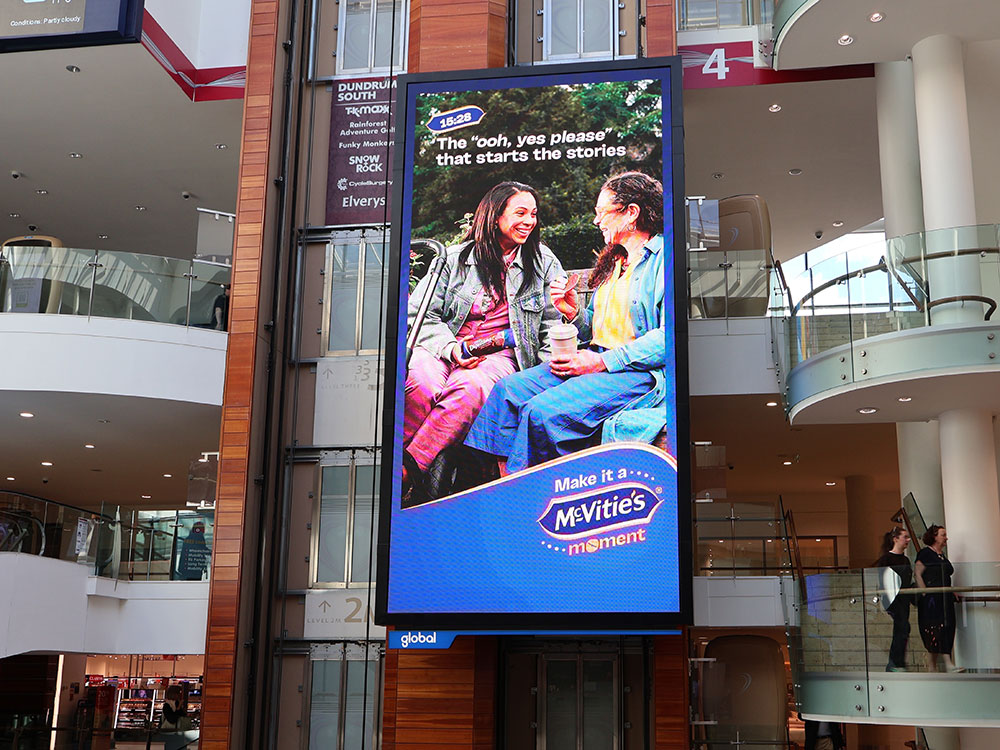
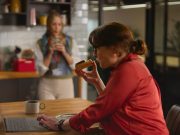
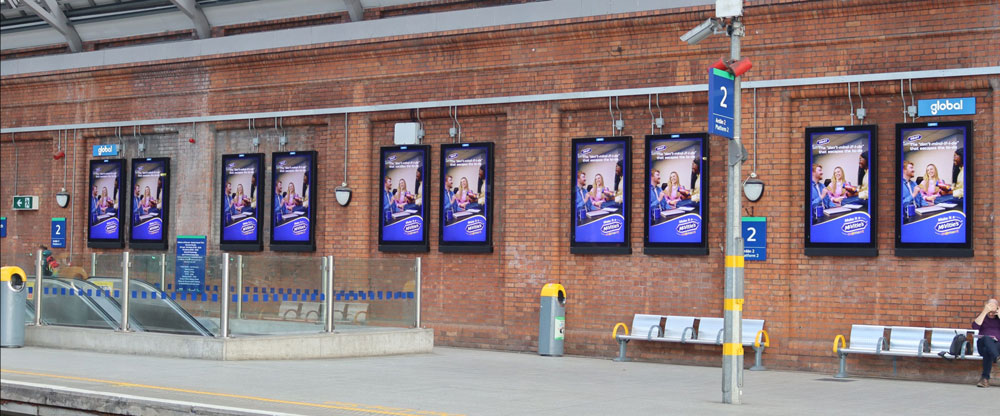
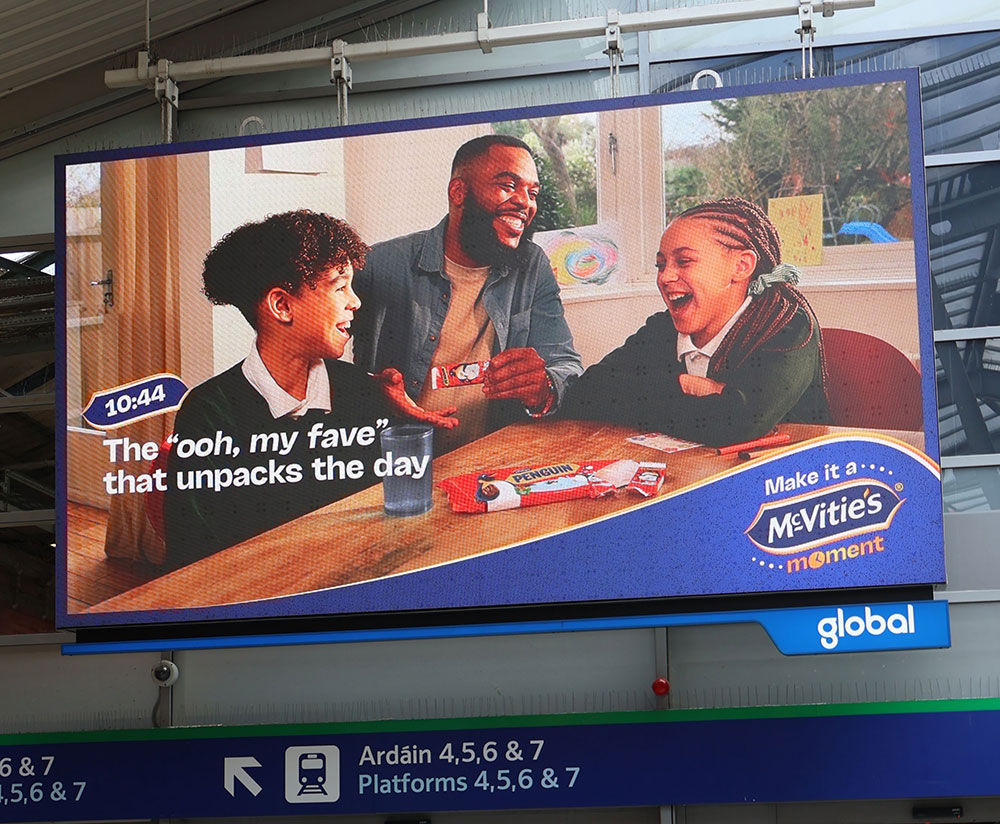
Now live across a mix of digital and classic formats, the campaign is built around a simple but effective thought: Make it a McVitie’s moment. Powered by LIVEPOSTER, the dynamic creative uses live time to frame different McVitie’s occasions across the day. The time stamp is the most visible trigger, but the copy also shifts to reflect familiar pauses, from morning banter and workday breaks to afternoon catch-ups and evening sharing moments.
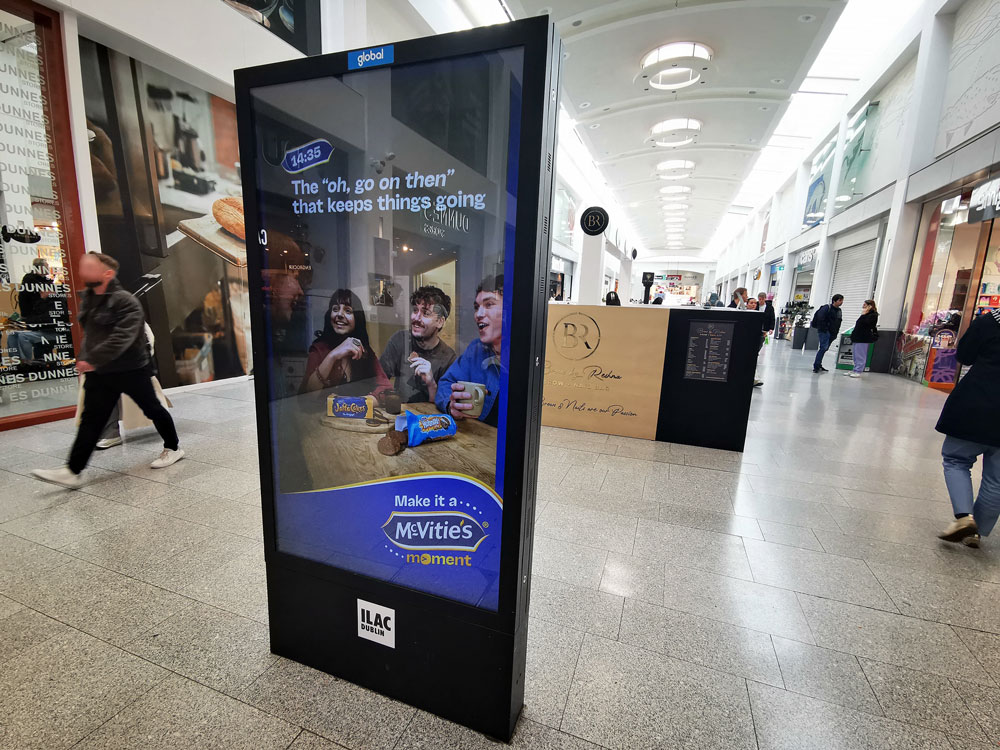
That makes the campaign more considered than a simple clock execution. Time is not just displayed on the creative. It informs the occasion, helping each message feel closer to the mindset and environment in which it appears. Whether it is the “help yourself” that brings the banter, the “don’t-mind-if-I-do” that escapes the to-do or the “pass one over” that pulls you closer, the creative taps into small decisions and shared rituals that already exist in the flow of the day.
That matters because the strength of dynamic OOH is not simply that it can change. It is that it can respond to the audience’s immediate context. When creative reflects the moment people are actually in, it becomes easier to understand, more natural to absorb and more likely to stick. McVitie’s leans into that well, using time not as a gimmick but as part of the core idea.
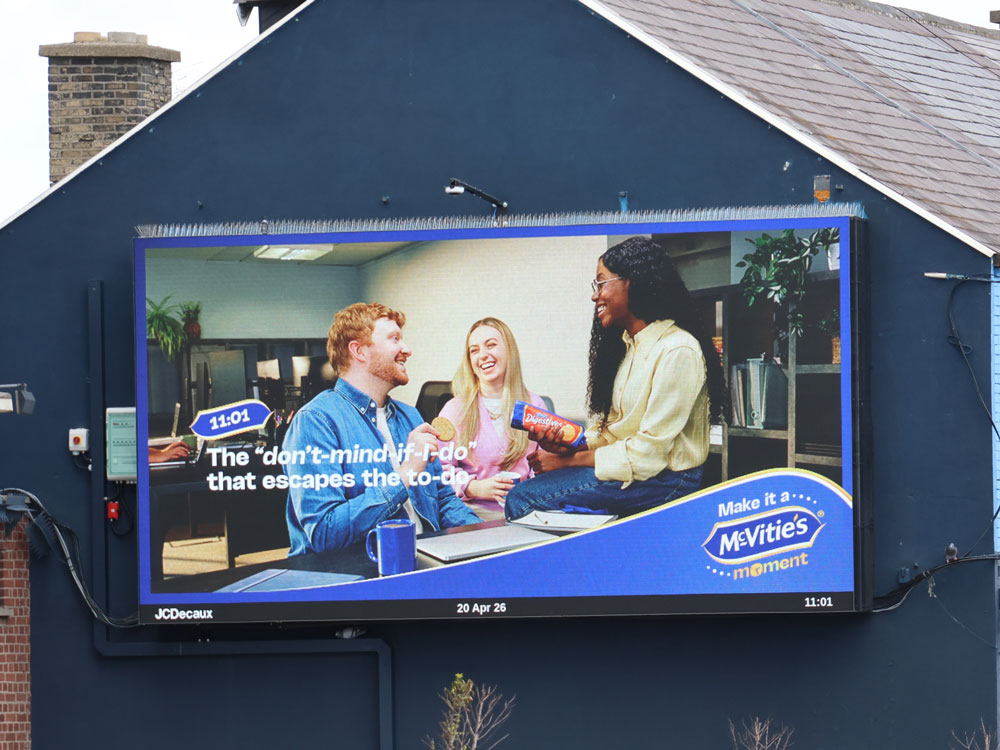
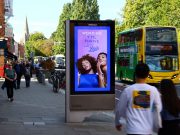
The campaign is also running in environments where those occasions feel especially credible. Appearing across digital portrait panels, digital 48 Sheets, Transvision, mall digital and 6 Sheets, the activity places the brand in commuter, retail and shopping environments where quick pauses, spontaneous purchases and casual social moments are already happening. The media choice does not just build reach. It reinforces the behaviour the creative is trying to capture.
There is a useful lesson here for brands thinking about dynamic OOH. The most effective implementations are not always the most complex. Often, they are built around a clear live trigger that people instantly understand. Time is one of the simplest and strongest examples of that. It gives the creative immediacy, keeps the message readable at speed and helps the brand feel rooted in the rhythm of everyday life.
Deborah Tracey, Group Client Director at Omnicom, notes: “We’re delighted to see the McVitie’s Moments campaign come to life. It is a great example of what Outdoor does best: meeting people where they are and connecting with the moments that matter. Using time as a simple, intuitive trigger allows the creative to feel timely, human and genuinely relevant, proving that Outdoor doesn’t just reach people, it resonates with them.”
Planned by PHD and Source out of home for pladis, the campaign shows how dynamic OOH can add value without adding unnecessary complexity. By matching live time with familiar occasions, McVitie’s makes the everyday pause feel like a brand moment.
The Opportunity Around the Occasion
People do not need a major event in the diary to get out into the world, because they are doing that already.
Our latest iQ research, conducted with Ipsos B&A, shows a public that is highly active across the environments where brands can meet them. In the next two weeks, 71% say they are likely to go to a shopping centre, 67% plan to do a big grocery shop in-store and 62% expect to visit a restaurant or café. Almost half, 46%, are likely to go to a pub for drinks, while 35% say they are likely to go to the cinema.
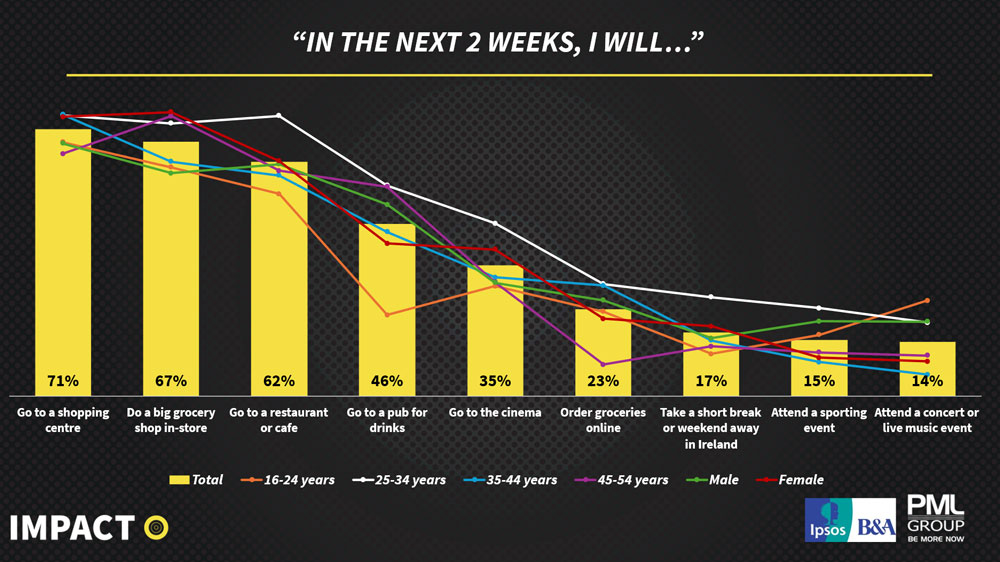
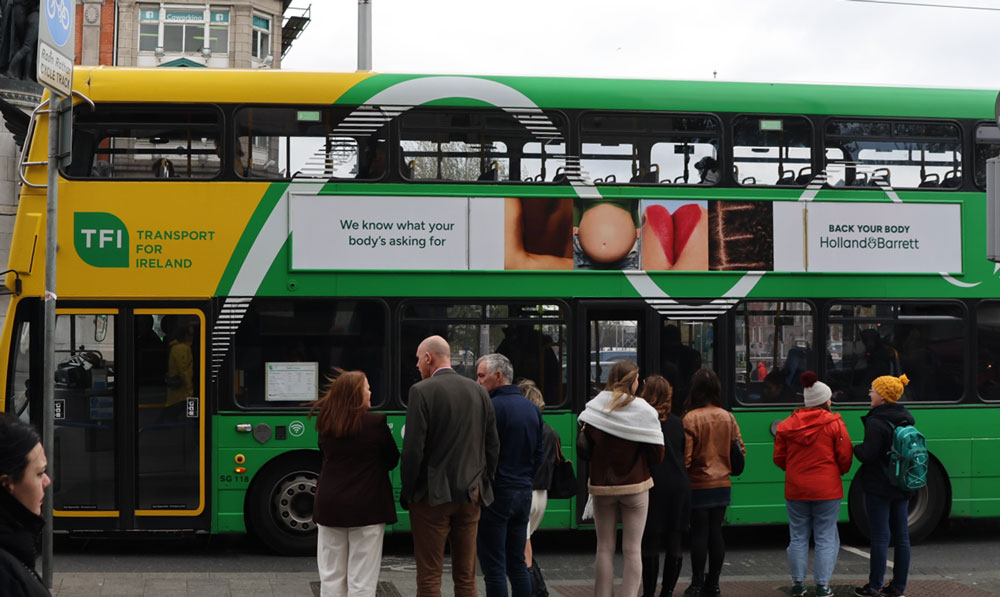
On one level, these are everyday behaviours, and none of them are especially surprising on their own. Taken together, though, they point to something important: people are already moving through public spaces with intent, routine and purpose. That is where Out of Home earns its relevance – it is not a medium waiting on appointment viewing or a single destination moment, but one that lives in the flow of everyday life, across shopping trips, meal occasions, social plans and regular movement through town and city spaces.
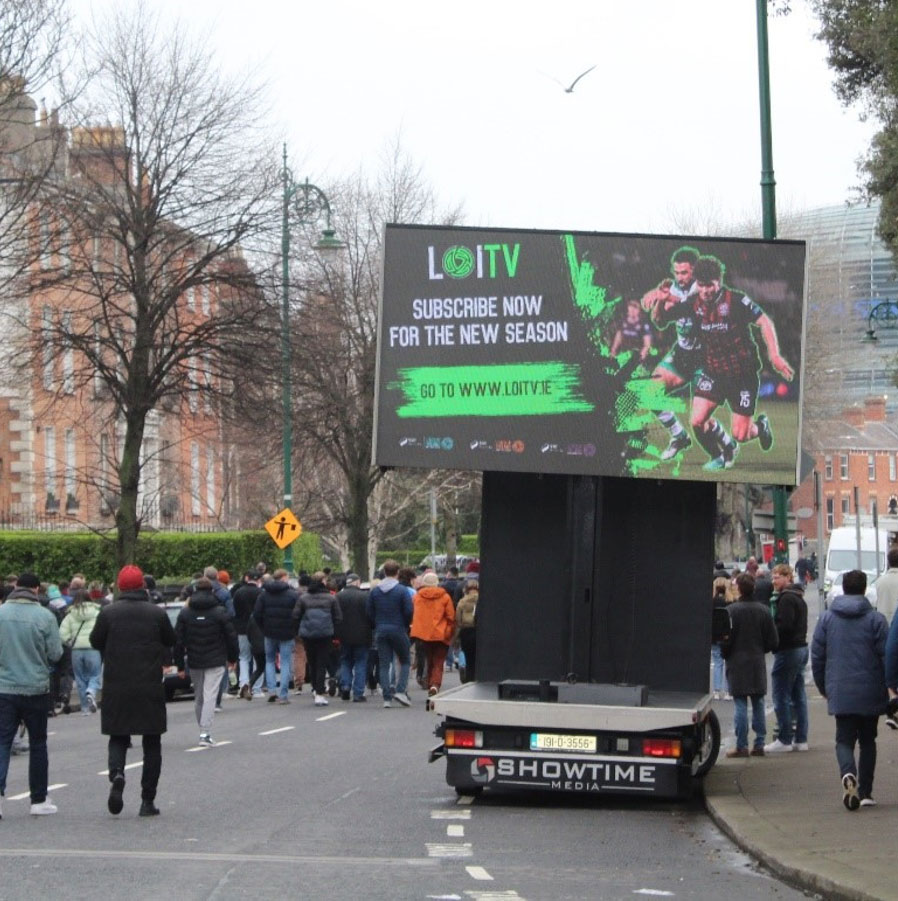
There is real breadth in the audience picture too, especially among 25 to 34-year-olds where intent is particularly strong across categories that matter to many advertisers. Three quarters are likely to go to a restaurant or café in the next two weeks, 56% are likely to go to a pub for drinks, 46% expect to go to the cinema and 26% are likely to take a short break in Ireland. That is not one narrow behaviour, but a pattern of movement across leisure, hospitality and retail.
This is what makes major shared occasions more interesting. Their value is not that they create public activity from nowhere, and most of the time they do something more useful than that: they add momentum to an audience already out, already social and moving through shared spaces.
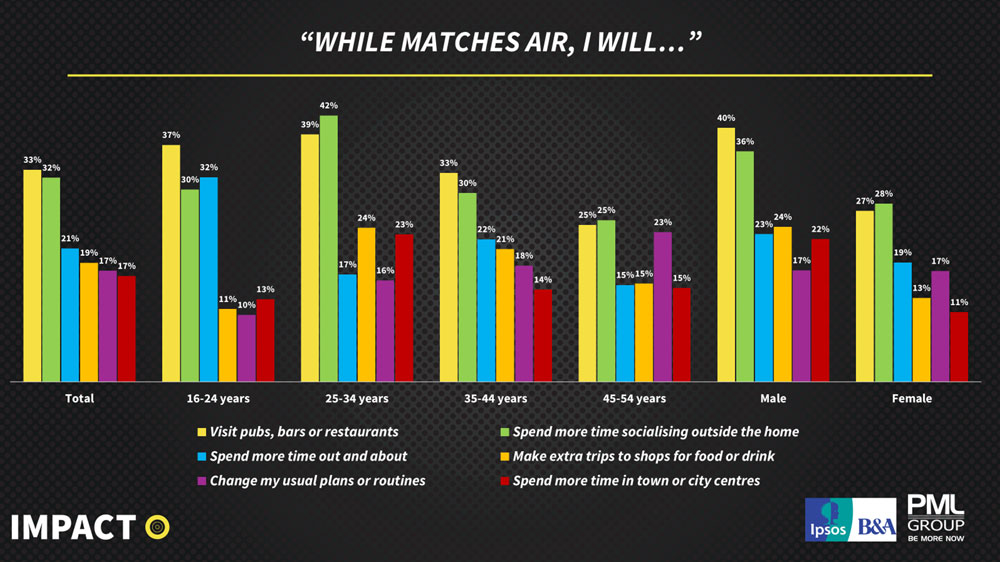
That comes through clearly in a separate iQ question asked earlier this year around upcoming summer sports fixtures. When people were asked what they would be more likely to do around match days later this year, around one in three said they would be more likely to visit pubs, bars or restaurants, while 32% said they would spend more time socialising outside the home. A further 21% said they would spend more time out and about, and 19% said they would make extra trips to shops for food or drink.
This is not about treating every fixture, festival or shared occasion as a blank cheque for attention. Audiences still need a reason to notice, care and act, but the data does suggest that these moments can sharpen behaviours that are already happening, particularly around hospitality, socialising and food-and-drink occasions.
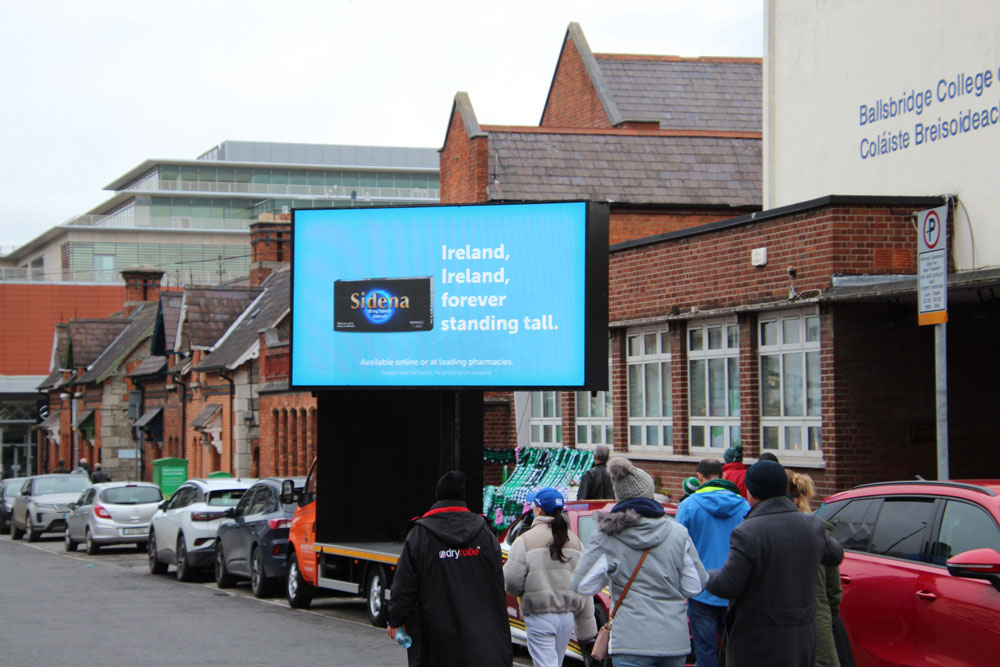
That distinction matters. Big events are often spoken about as though they are the whole opportunity, when in reality they are more often an accelerator than an engine. The audience is already in motion, and the occasion simply gives brands another way to connect with that movement in a more charged and timely context.
For advertisers, that opens up a wider planning lens. The opportunity is not limited to drinks brands or match-day messaging, because if people are more likely to meet up, eat out, make extra shop visits and spend more time in public around shared occasions, then the impact stretches across grocery, retail, entertainment, finance, telecoms and beyond. Outdoor is well placed to capture that because it can be present at every stage, from the routine shop to the social meet-up to the venue itself.
With just 2% saying none of these real-world activities are likely in the next fortnight, Outdoor is already operating in a live environment. Add in the lift that shared moments can bring, and the case becomes stronger still. The smartest brands are not simply planning for the event. They are planning for the movement around it.
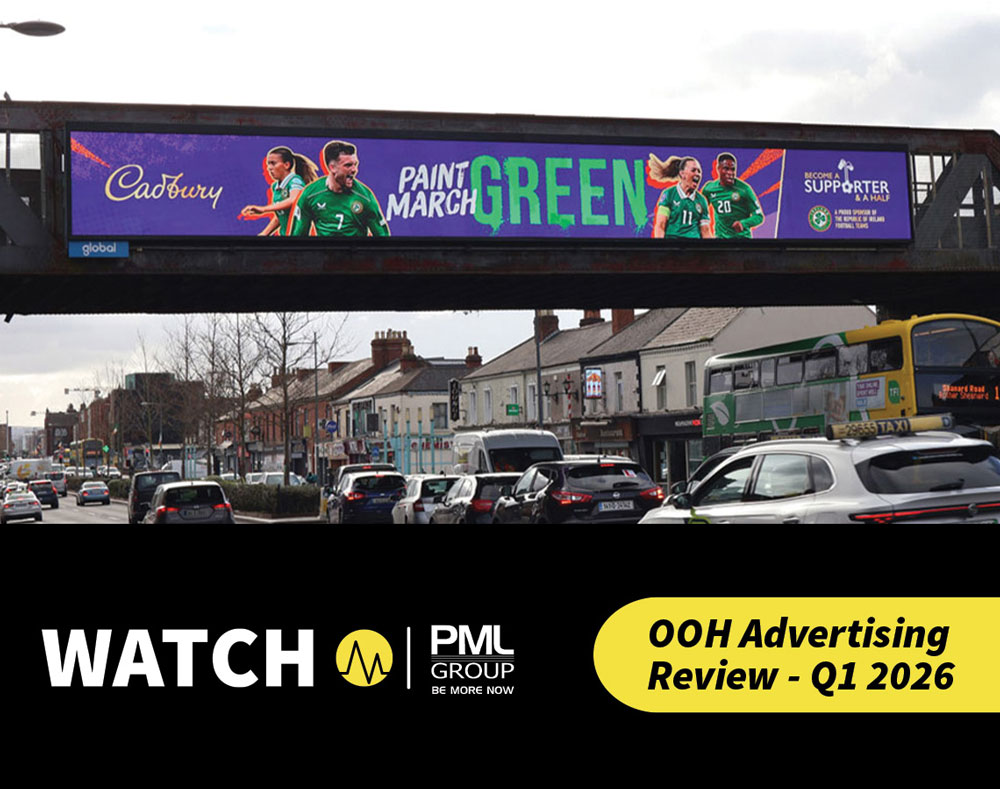
WATCH Q1 report released
Last week we published the topline findings of our WATCH OOH market review for Q1 2026. The full report is now available to download via the linked image below.