












Irish consumers are becoming increasingly pessimistic about their personal finances as global instability feeds directly into the cost of living, according to new research from Core.
Core’s latest Consumer Mindset report, based on a nationally representative survey of 1,000 adults conducted in early April, shows that 61% of people now believe their personal finances are getting worse, compared with 39% who say they are improving.
This marks a significant shift from broader economic concern to a more immediate, household-level impact, with financial pressure now being “felt rather than anticipated,” the Core report notes.
The research highlights a sharp emotional response to current events, with 74% of people expressing negative emotions in relation to news around global instability and rising fuel costs.
Anger is the dominant reaction, cited by 33% of respondents, followed by fear (14%) and sadness (12%), reflecting what researchers describe as a prolonged period of strain rather than a single economic shock.
High-profile stories linking Middle East conflict to oil supply disruption and rising heating costs are among the most significant drivers of sentiment, with awareness levels exceeding 80% and importance ratings above 90%.
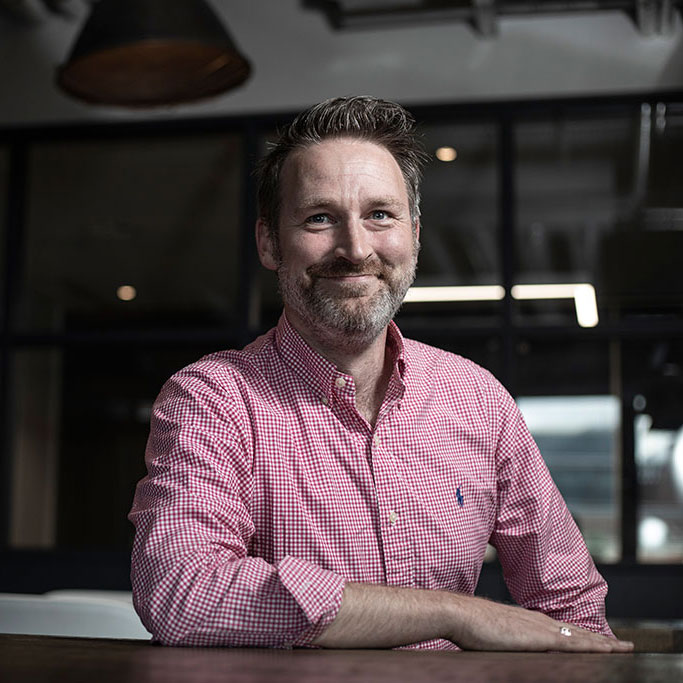
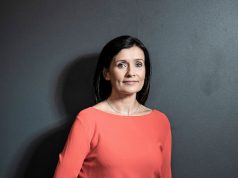
According to the report’s authors Finian Murphy, Andy Pierce and Shane Doyle, the impact of rising costs is not evenly distributed. Among lower-income households, 73% report worsening finances, compared with 61% of middle-income earners and 44% of higher-income groups.
Regional differences are also pronounced. Government disapproval stands at 62% in Dublin but rises to between 70% and 73% in Connacht, rural Munster and Ulster, reflecting greater exposure to fuel and transport costs outside urban centres.
Overall, 63% of respondents disapprove of how the Government is handling the cost-of-living crisis, close to the 65% disapproval recorded for energy companies—the highest levels seen in five years.
The research suggests the current environment differs from the immediate shock experienced during the 2022 energy crisis, with sentiment now shaped by ongoing uncertainty rather than a single event.
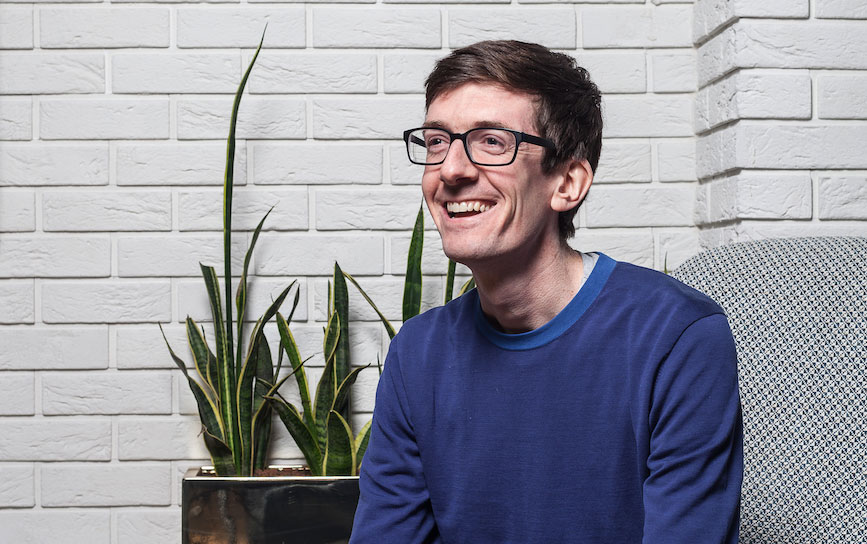
This points to a potential “tipping point” – not of crisis, but of expectation, according to Finian Murphy. “During Covid, leadership was defined by clarity of message and a sense of direction. That clarity created public confidence, even in uncertainty. Now, the demand is similar, but the context is more fragmented. The public understands the complexity of global events but still expects a domestic response that is clear – and flexible enough to reflect very different realities, particularly in rural Ireland,” he said.
“At 61% personal financial pessimism, 63% Government disapproval, and a 74% negative emotional baseline towards this the news of unfolding global unrest, the challenge is no longer just economic. It is one of leadership – and whether people feel they are being led through this or left to manage it alone,” he adds.
Despite rising pessimism, Core says the data points to a degree of underlying resilience. Day-to-day emotional experiences remain broadly positive, with 41% reporting happiness and 33% enjoyment, compared with 31% experiencing stress.
However, the report finds that news consumption amplifies negative sentiment, increasing feelings of frustration while reducing positive emotions such as enjoyment and hope.
The overall picture, however, is of a more cautious consumer rather than a disengaged one. While uncertainty is leading people to delay major spending decisions, behaviour remains active, with continued spending in areas such as travel alongside rising savings.
As a result, the key challenge for policymakers and businesses, according to Core, is not only managing economic pressures, but addressing a growing demand for certainty in an increasingly uncertain environment.
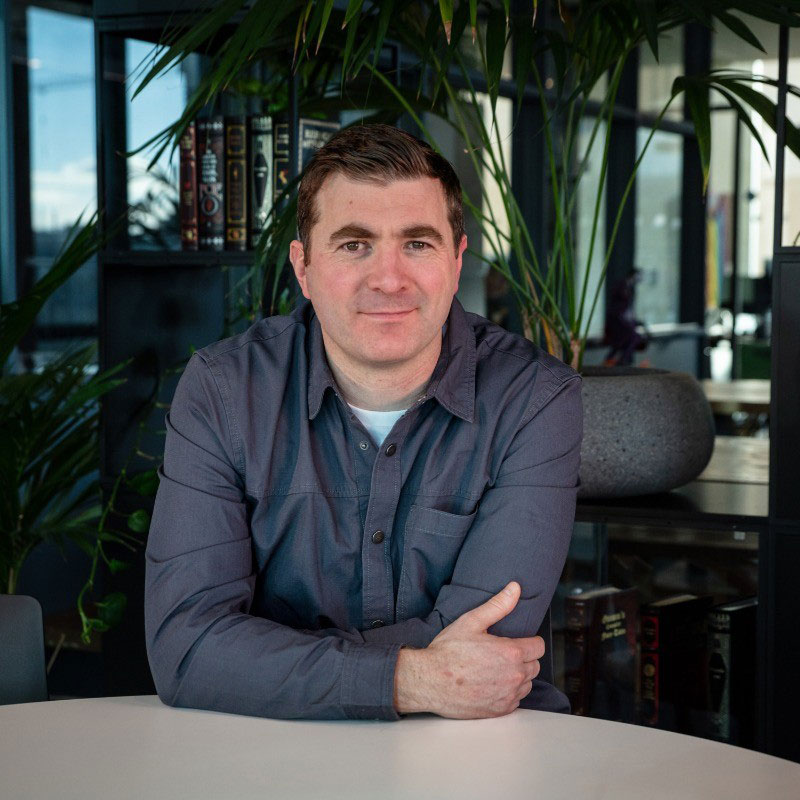
“When people don’t know what’s coming next on price increases, on security, or on the wider economy, they pause. Big purchases get delayed, spending is reconsidered, and confidence dips,” said co-authors Shane Doyle and Andy Pierce.
“But this isn’t new. We’ve seen this pattern repeatedly in recent years. Sentiment has become highly reactive to the news cycle. It drops sharply with each new crisis and then stabilises again. This volatility is now the norm, not a signal of imminent collapse.”
The Core report also makes a blunt point: consumers aren’t just choosing between brands—they’re choosing whether to buy at all. Uncertainty is causing people to delay decisions and rethink spending. This creates a new competitive dynamic: inertia vs. action, they said.
“Right now, every organisation is up against a powerful new challenger brand in their category: hesitation. It’s trying to steal share by convincing people not to buy, not to decide, not to act. The task for the brand is to compete as it would in defending against a new disrupter; reinforcing value cues, promoting value add-ons, prioritising positive customer experience, and strengthening how people feel about your brand or organisation,” they said.
“Make the case clearly. Earn the decision,” they added.
At the same time, Pierce and Doyle, added that brands need to introduce hope and humour into the equation. “People need relief from the weight of constant bad news. Moments of joy, distraction and optimism matter more than ever,” they say
“Witness the country coming to a grinding halt for a world-cup qualifier semi-final against Czechia, and the elation around Jessie Buckley’s Oscar win, and McIlroy at the Masters. We need hope, and we need humour. The opportunity for brands is to deliver against these wherever possible. Make people smile, make people feel good, brighten their day a little more and they will like you more for it. And the more they like a brand, the more they trust it, and the more they chose it over competitors; new and old.”
The Core report also reminds brands of the importance of community in Irish society.
According to Pierse and Doyle, “We remain a collectivist, social, community oriented culture in Ireland. Especially in tough times; when shared experience matter more.”
Core’s research shows that 60% of people feel proud and excited about Ireland’s current cultural moment, a powerful signal of the value of collective identity.
“At times like this, brands shouldn’t just react to moments, they should participate in them. Brands can lean into this by supercharging the national moments they’re already a part of, by elevating those moments that deserve more attention, and by finding authentic ways to join those they’re not,” the authors concluded.