










 Aaron Poole, Marketing Insights Manager, PML Group, with this week’s Out \ Look on Out of Home
From Niall Horan and The Script to Kneecap and The Mary Wallopers, some of the biggest names in music are providing the inspiration for an RTÉ 2FM campaign that’s changing its message to match Dublin’s concert calendar.
The station is using programmatic Digital Out of Home to target audiences travelling to and from performances at the 3Arena, with artist-specific creative scheduled around individual shows. Planned by dentsu and PML, the activity runs through to 18th December, covering 17 concert dates and bringing 2FM into the journeys surrounding some of the city’s biggest live entertainment events.
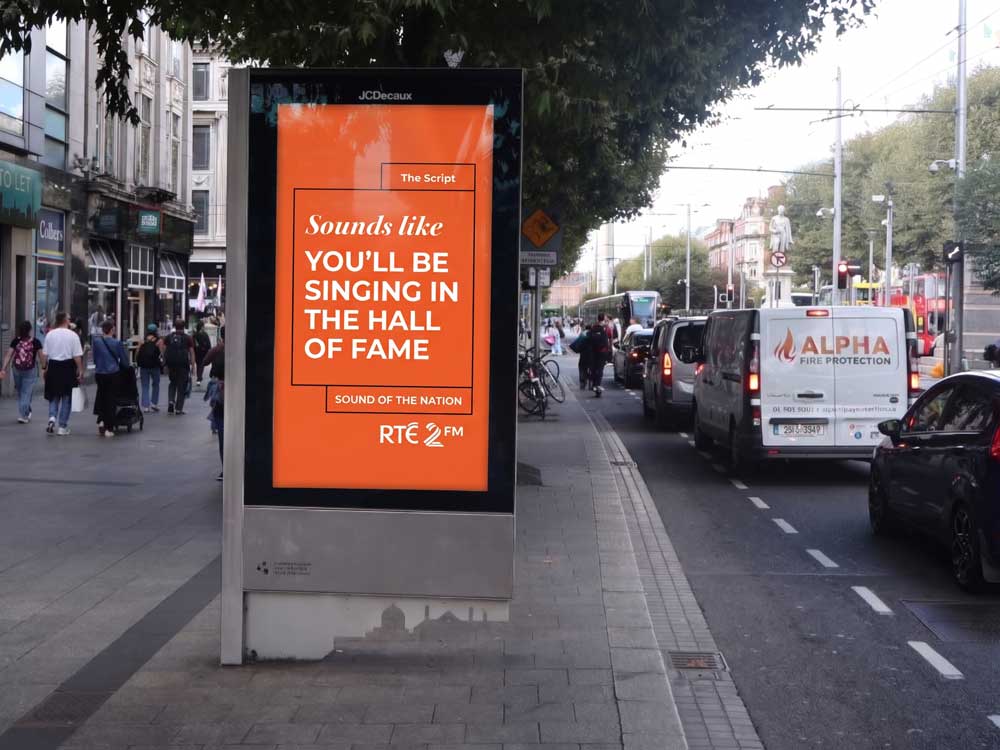
Early displays were contextual to Jazzy, Duke Dumont and The Script. The copy made playful use of the performers’ music and personalities, with Jazzy’s message reading ‘It’ll Be Belters Only’, while The Script’s declared ‘You’ll Be Singing In The Hall Of Fame’.
Niall Horan’s four Dublin dates between 9th and 13th November provide another opportunity for the campaign, with the line ‘This Town Is In For A Treat’ referencing the singer’s breakthrough single.
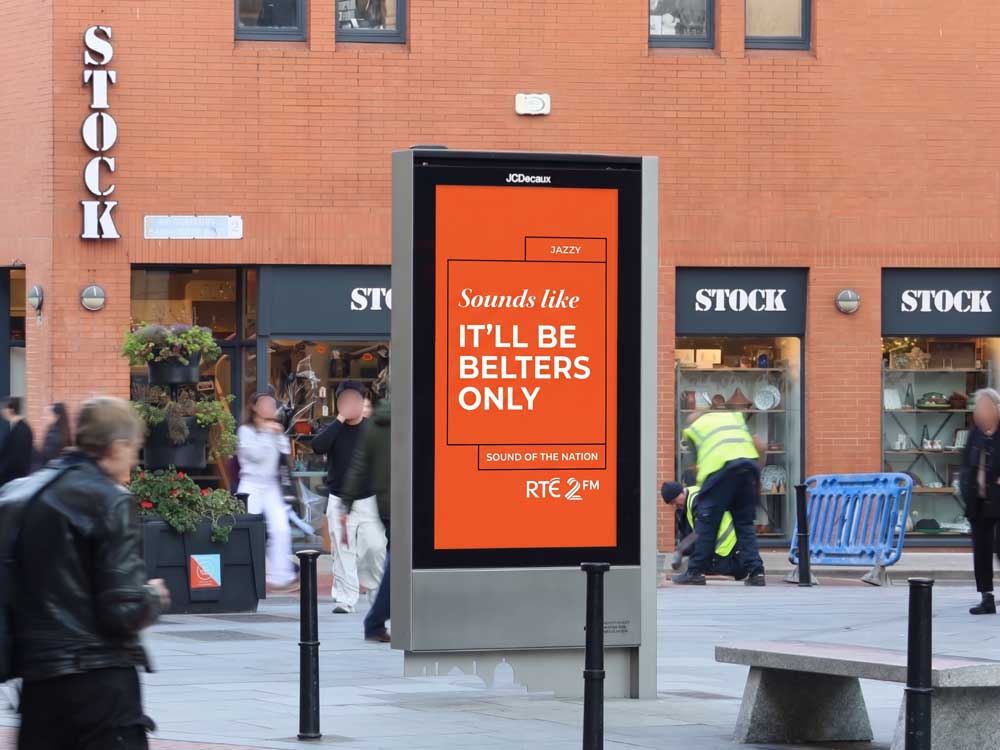
The variety of messages is central to the idea. Rather than running a single station advertisement throughout the campaign, 2FM has developed creative that changes with the performer and the occasion. Familiar song titles, Irish-language references and knowing nods to individual artists give each execution its own character, while the station’s branding ties the campaign together.
The placement strategy is shaped by how concertgoers move through Dublin. Those travelling to the 3Arena aren’t necessarily arriving from the same direction or at the same time. Many will be moving through the city centre before making their way towards the venue, whether coming from work, meeting friends or heading in for the evening.
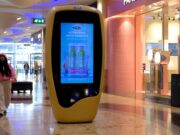
To account for those different journeys, the campaign uses JCDecaux Digipanels and Digipoles at selected locations including North Wall Quay, Hanover Quay and Macken Street, alongside a wider selection of city-centre sites.
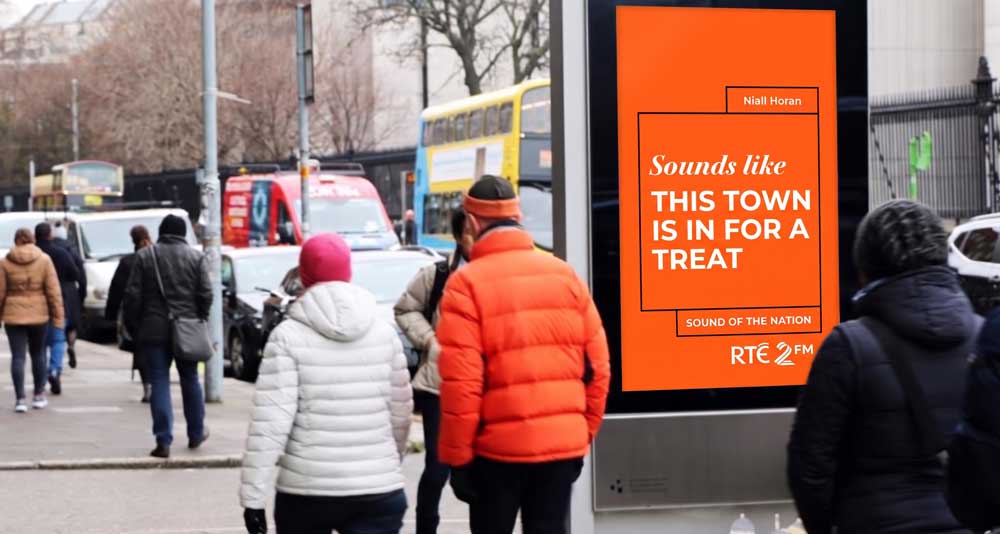
The approach is supported by a programmatic buying strategy built around specific concert dates, locations and times of day. Ahead of each performance, artist-specific creative runs between 4.30pm and 8.30pm, reaching audiences during the build-up to the gig.
It’s where programmatic has a particularly useful role to play. Rather than maintaining a continuous presence throughout the campaign, 2FM can concentrate its activity around the relatively short periods when concertgoers are expected to be travelling.
The messaging changes again after the show. Between 10pm and 11.30pm, the campaign switches to generic English and Irish creative, with ‘You’ll Have No Voice Tomorrow’ and ‘Slocht Ort Amárach’ reflecting a familiar consequence of a night spent singing along.
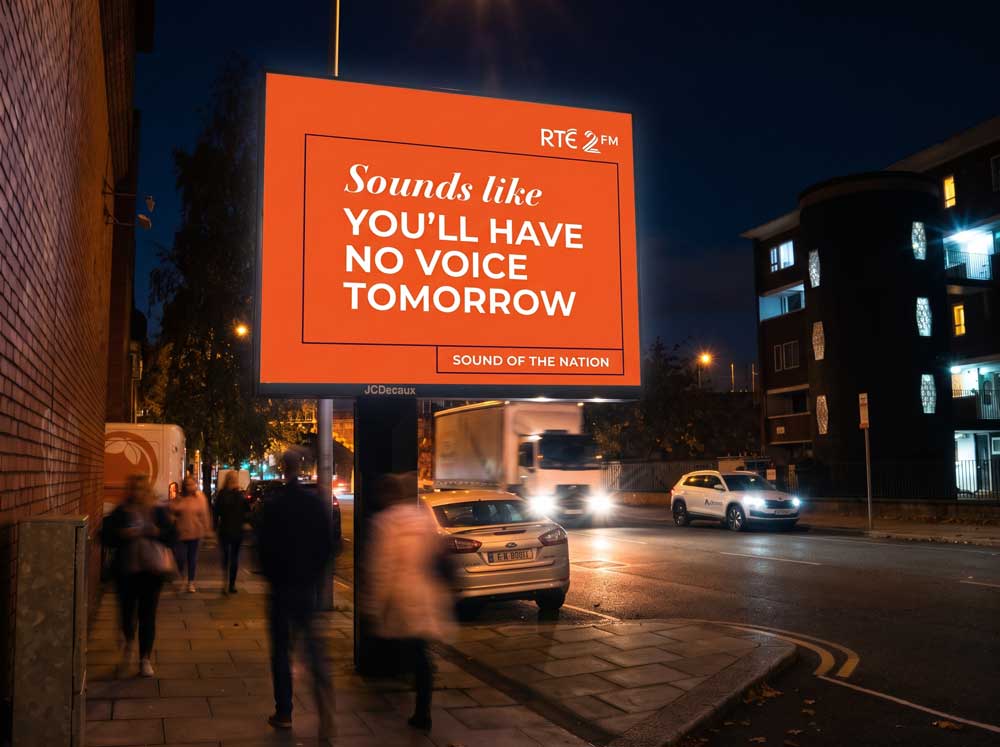
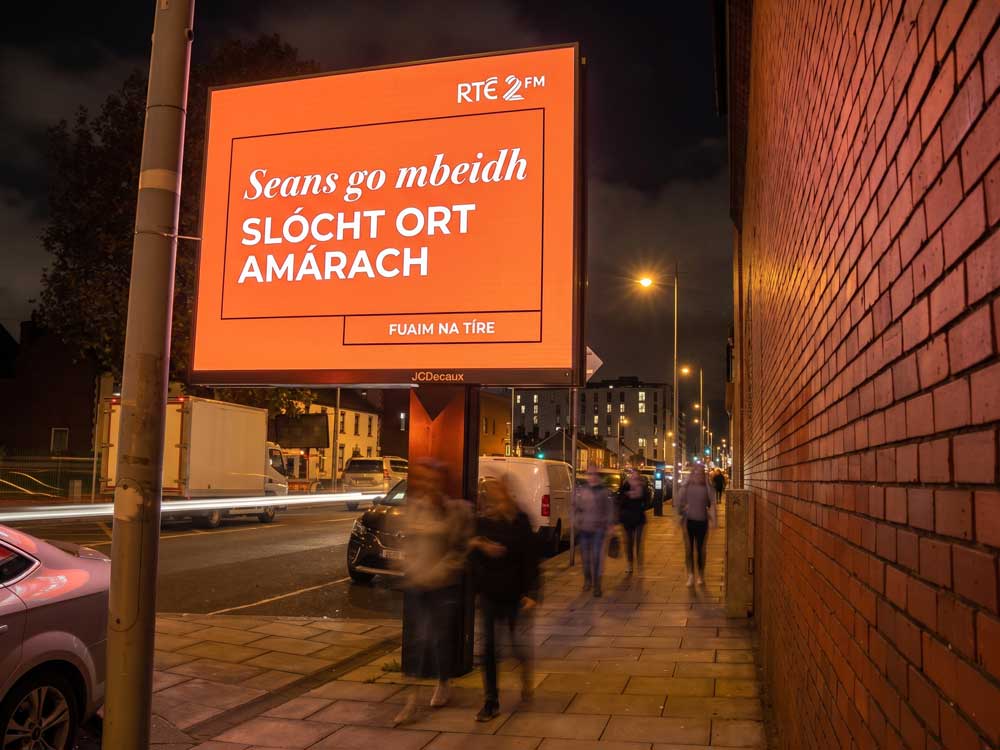
The two windows give the campaign a different relevance at either end of the evening. Beforehand, the creative taps into the anticipation surrounding the artist. Afterwards, it acknowledges the experience concertgoers have just had.
There’s plenty more to come. Myles Smith and Noah Kahan feature in executions scheduled for next week, followed by Phoebe Bridgers later in November. December’s programme includes Joanne McNally, The Mary Wallopers, Kneecap and Kodaline.
Wild Horse Nine Takes Aim at Wexford Street
There’s something particularly satisfying about a film campaign that brings its artwork off the poster and into the street. Searchlight Pictures has done just that for Martin McDonagh’s latest release, Wild Horse Nine, with an illuminated special build on Wexford Street that puts stars John Malkovich and Sam Rockwell firmly in the crosshairs.
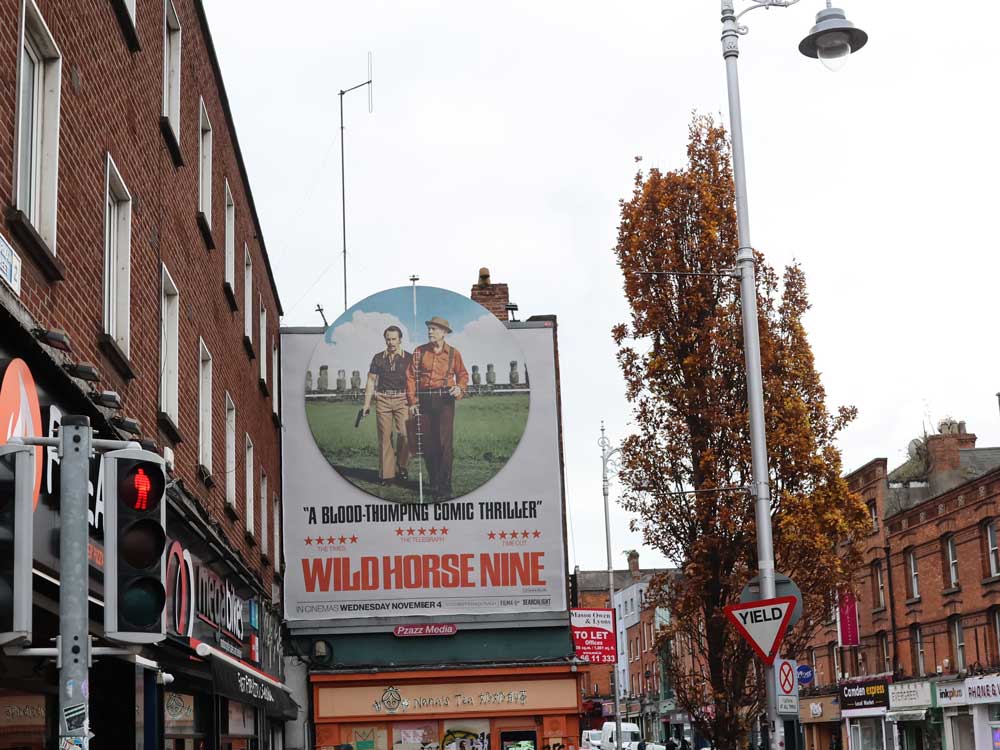
The special build takes over the Golden Square at the top of Wexford Street, with an oversized circular scope extending above the billboard frame. Malkovich and Rockwell appear against a backdrop of Easter Island’s famous stone statues, framed by crosshairs that run through the image. The circular element is already central to the film’s wider artwork, but here it becomes a physical feature of the display rather than simply another part of the printed poster.
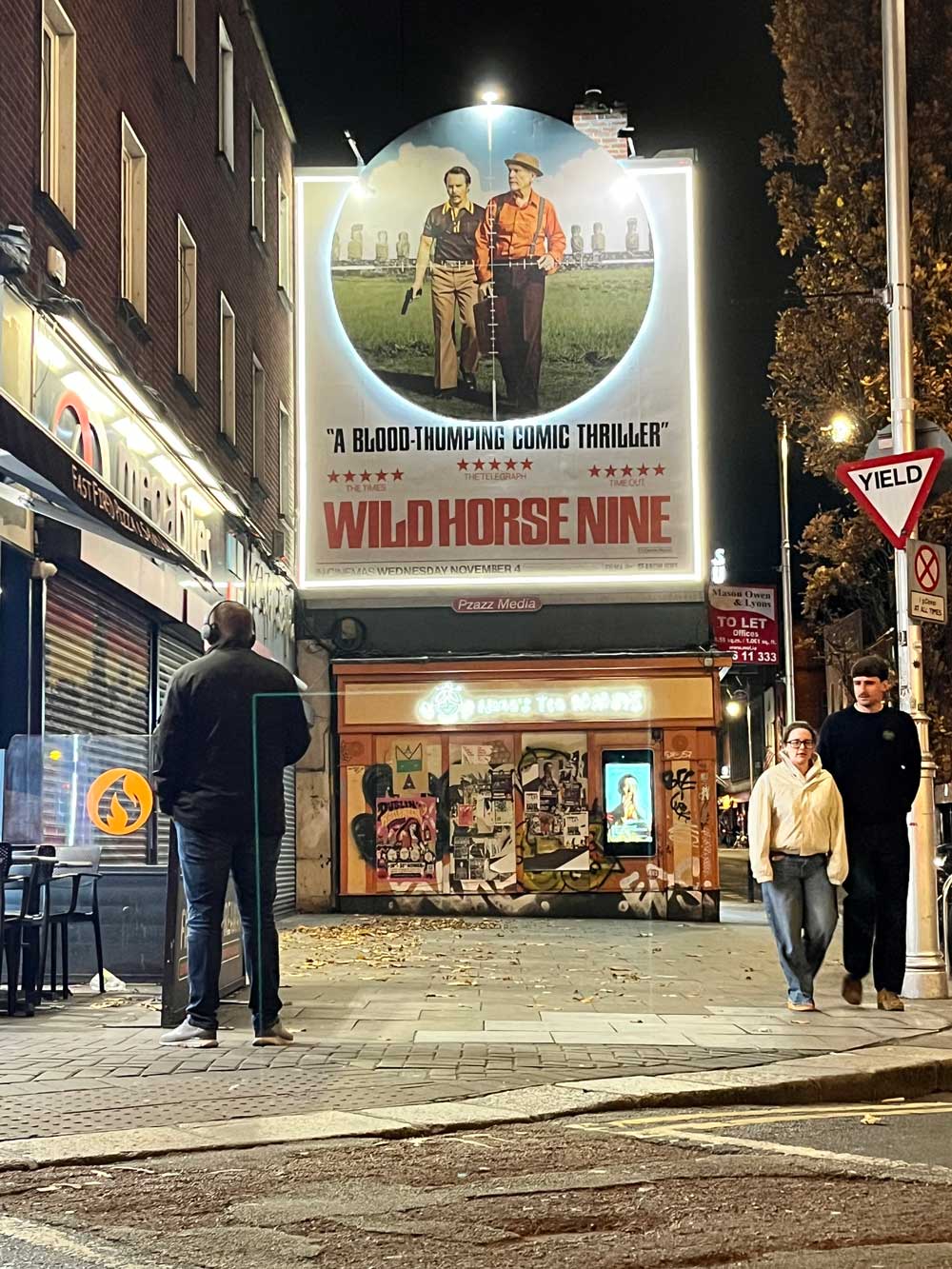
The effect is particularly impressive after dark. A halo of light traces the circular cut-out, while the illuminated billboard frame provides a second layer of lighting around the artwork. Against the surrounding buildings on Wexford Street, the raised scope draws the eye towards the two leads before the rest of the film’s creative comes into view.
Written and directed by McDonagh, whose previous film was The Banshees of Inisherin, Wild Horse Nine follows two CIA agents dispatched from Santiago to Easter Island shortly before the 1973 Chilean coup. Played by Malkovich and Rockwell, the agents find themselves dealing with past secrets and present conspiracies in a darkly comic thriller that also stars Steve Buscemi, Parker Posey and Tom Waits.
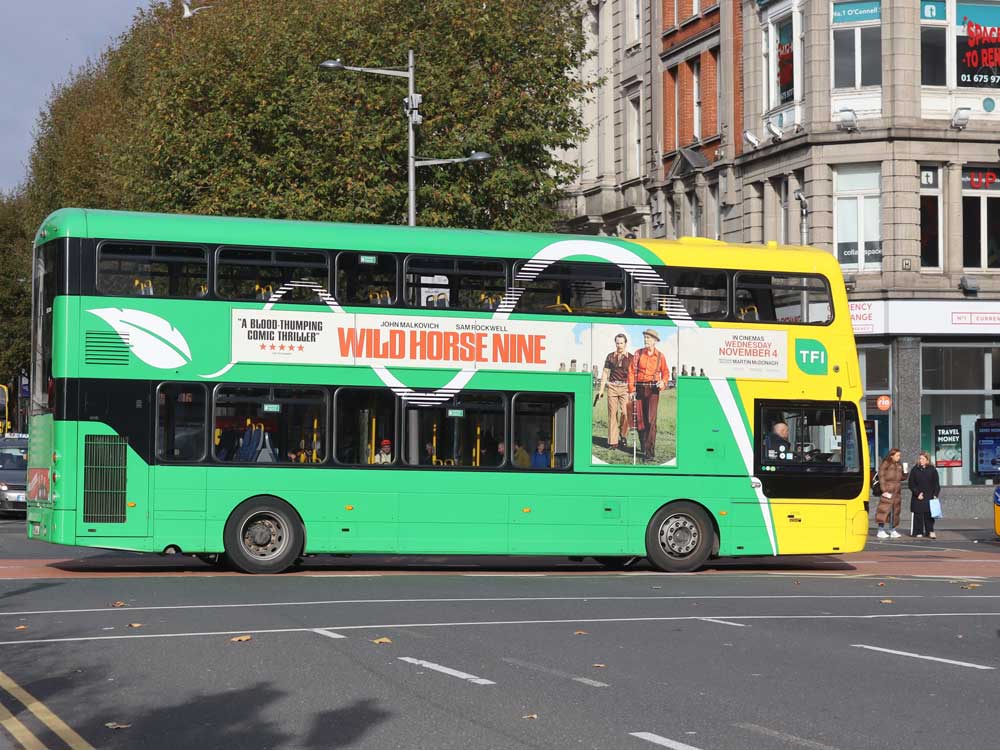
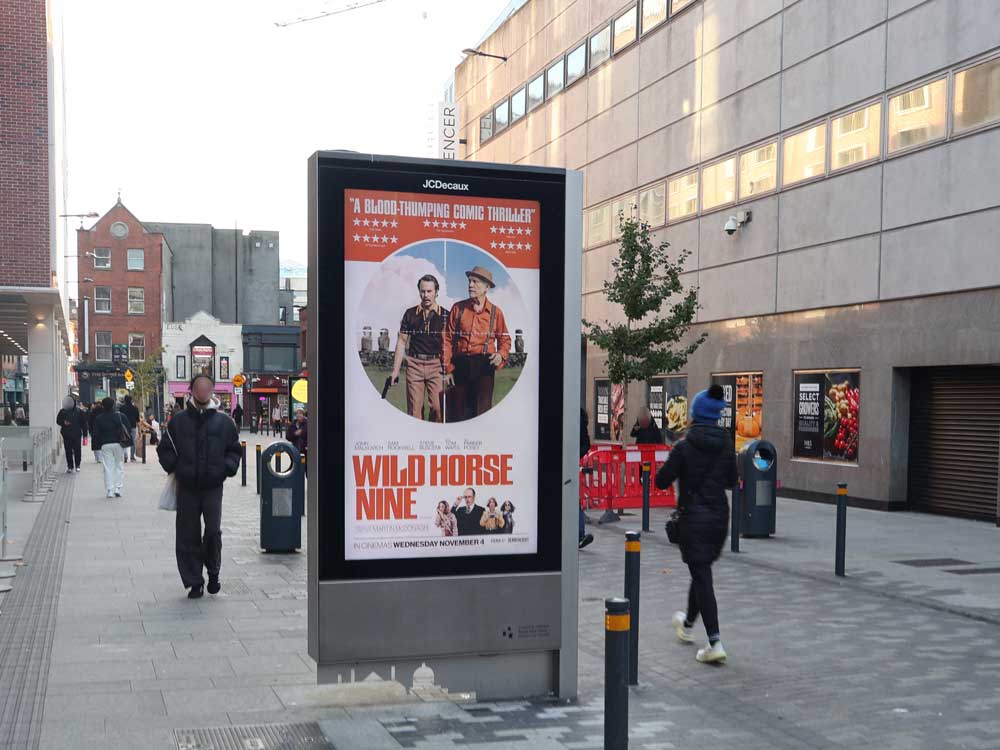
The Wexford Street special is part of a wider OOH campaign supporting the film’s Irish cinema release, with poster sites carrying the same visual identity across the cityThe activity supports the film’s opening period, when establishing recognition of the title and cast is particularly important.
There’s a strong connection between cinema audiences and Outdoor. TGI by Fifty5Blue found that more than three-quarters of regular cinemagoers had seen some form of OOH advertising in the previous week, with these audiences over-indexing for both Classic and Digital formats.
That exposure is particularly relevant to film releases, where distributors need to build awareness within a relatively short period. OOH gives films a presence outside the cinema itself, reaching prospective audiences on journeys to work, during shopping trips and on nights out. It also provides plenty of scope to make the film’s imagery a talking point in its own right.
Special builds add another consideration. PML Group’s IMPACT Attention research, conducted with Ipsos B&A, found that 85% of respondents considered innovative OOH formats effective at capturing their attention. A further 84% believed brands using these formats appeared more innovative and forward-thinking.
The Six Nations Goes Beyond the Game
There’s the rugby, and then there’s everything that happens around the rugby. The sport has a place in Ireland’s calendar that extends beyond the matches themselves, influencing social plans, nights out and the atmosphere surrounding a provincial or national fixture. For advertisers, understanding that wider activity is every bit as interesting as understanding who’s watching.
New research conducted with our research partner Ipsos B&A, explores the championship’s cultural reach, its relationship with social behaviour and how audiences respond to advertising around major sporting occasions.
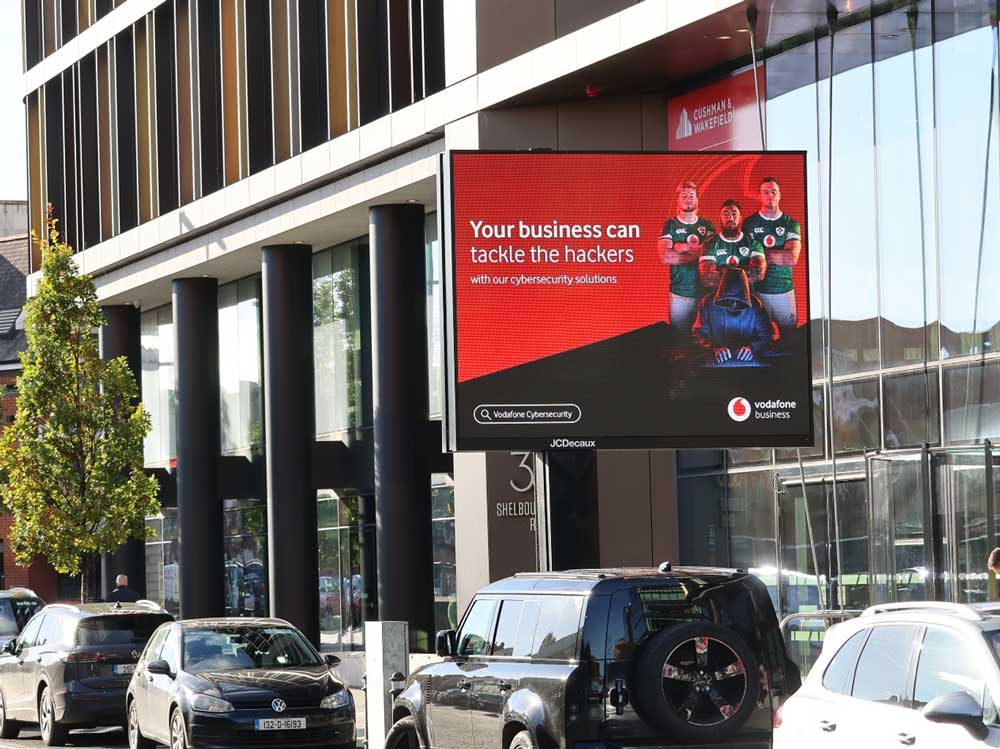
Almost two-thirds (63%) say they follow the Six Nations at least occasionally, whether that’s every match, mainly Ireland’s fixtures or dipping into the championship from time to time. Yet 71% agree that major sporting events such as the Six Nations bring people together. Even among those who don’t follow the championship, 57% share that view.
There’s a distinction here between following a sport and recognising the occasion surrounding it. Not everyone needs to know the starting XV to appreciate the atmosphere of an Ireland match, and the research suggests the championship has a cultural reach beyond its regular audience.
That wider influence is also reflected in how people spend their time. More than a third (36%) say they typically meet friends socially more often during the Six Nations, while 28% report visiting pubs, bars or restaurants more than usual.
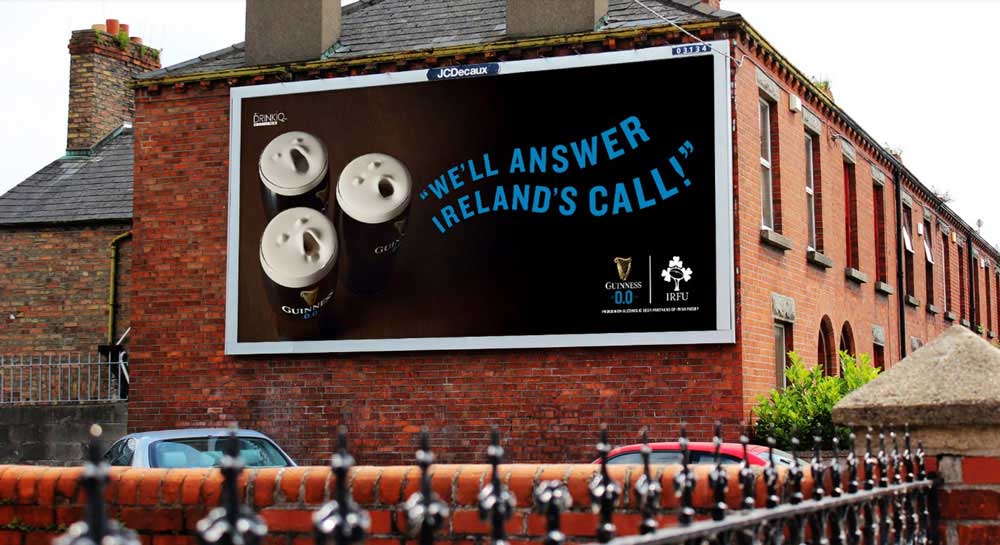
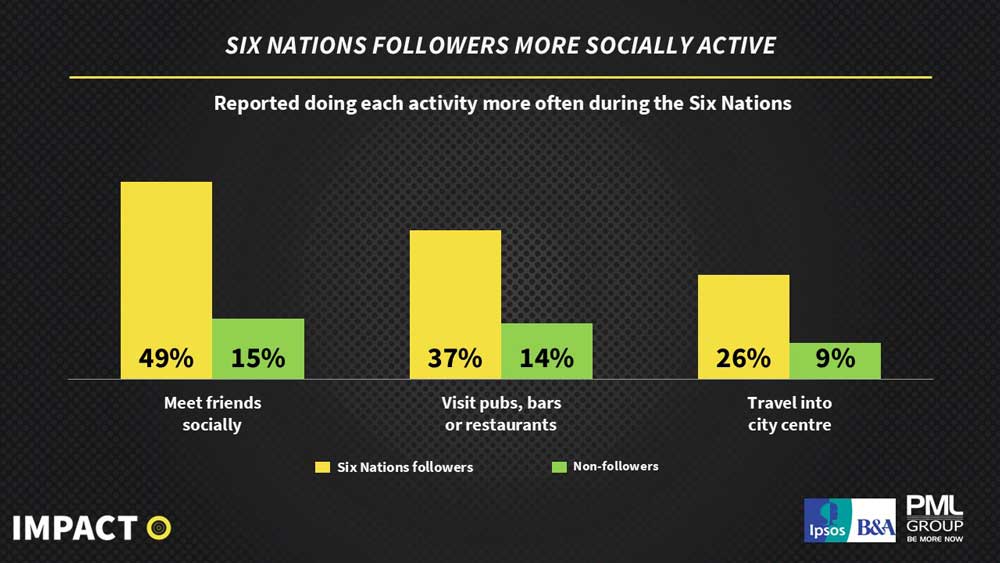
The differences between rugby followers and non-followers are particularly revealing. Almost half (49%) of those following the championship report meeting friends more often, compared with 15% of non-followers. Similarly, 37% of followers say they visit hospitality venues more frequently, against 14% of those who don’t follow the tournament.
There’s a movement element too. Overall, 19% report travelling into the city centre more often during the championship, rising to 27% among 25–34-year-olds. Among rugby followers, that figure reaches 26%, compared with 9% of non-followers.
Interestingly, just 8% say they typically attend sporting events more often during the Six Nations period. This isn’t a measure of attendance at the championship itself, but it provides an interesting contrast with the considerably higher figures for meeting friends, visiting hospitality venues and travelling into town.
When it comes to Out of Home, those distinctions are an important factor. Much of the activity people associate with the Six Nations takes place away from the sporting venue, across the streets, social spaces and journeys that form part of everyday life. The championship provides the occasion, but the ways in which people participate can be quite different.
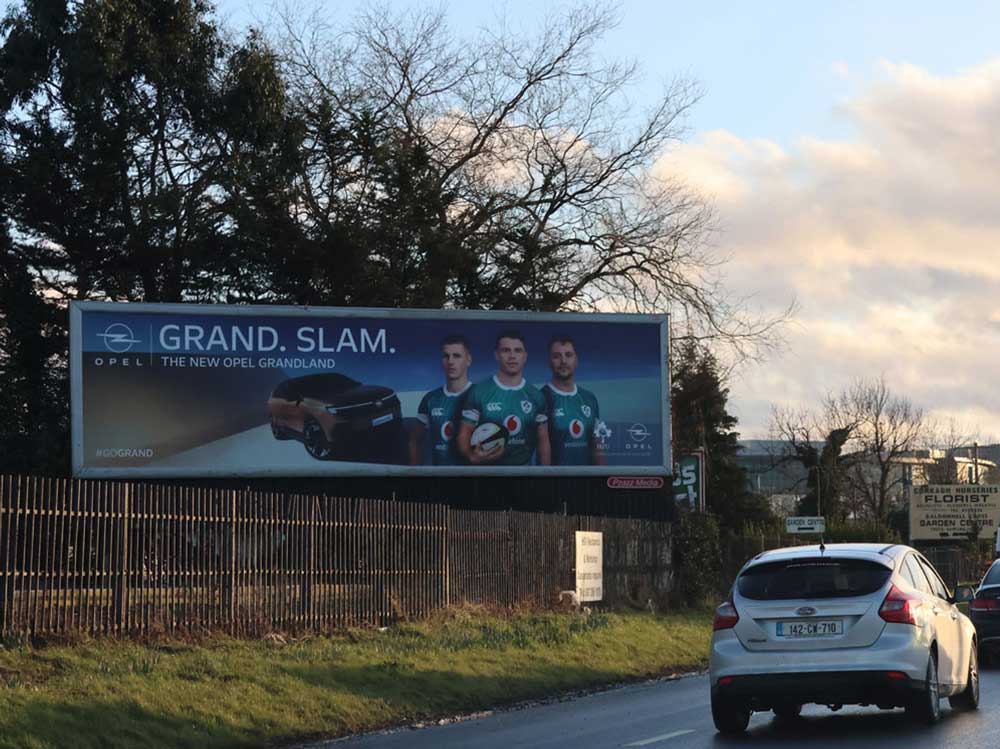
Further questioning examined how audiences perceive advertising during major sporting events, with results that offer encouragement for brands seeking to connect with the occasion, alongside some important differences in receptivity.
Overall, 43% say they are more likely than usual to notice brand advertising during major sporting events such as the Six Nations. However, 30% report no difference and 27% say they are less likely to notice advertising.
Among rugby followers, 57% report being more likely to notice brand advertising during these occasions. Among non-followers, that falls to just 19%, while 44% say they are actually less likely to notice it.
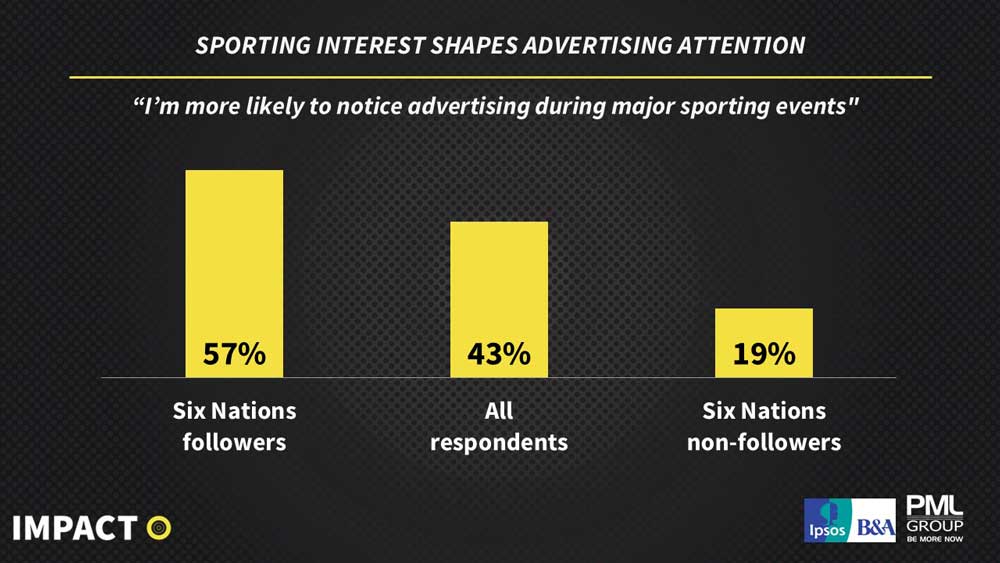
It’s a sizeable contrast, and an important consideration for brands. Sporting events may create moments of heightened attention for engaged audiences, but that doesn’t automatically extend to everyone. Relevance to the occasion, and to the people experiencing it, matters.
Younger respondents also report greater receptivity, with 56% of 16–24-year-olds saying they are more likely to notice advertising during major sporting events, compared with 43% overall. However, this age group is also more likely to follow the Six Nations, at 76% compared with 63% of all respondents in the second wave. Their greater interest in the championship may therefore account for some of the difference in advertising attention.
The findings are also interesting when considering OOH’s perceived role in major cultural and sporting occasions. More than six in ten respondents (61%) agree that outdoor advertising helps brands feel part of these moments. Meanwhile, 58% agree that they are more likely to consider brands visible during events that interest them.
Among 16–24-year-olds, the figures reach 83% and 78% respectively. These are particularly positive responses, although the younger group’s smaller sample and higher level of rugby interest should be considered when interpreting the differences.
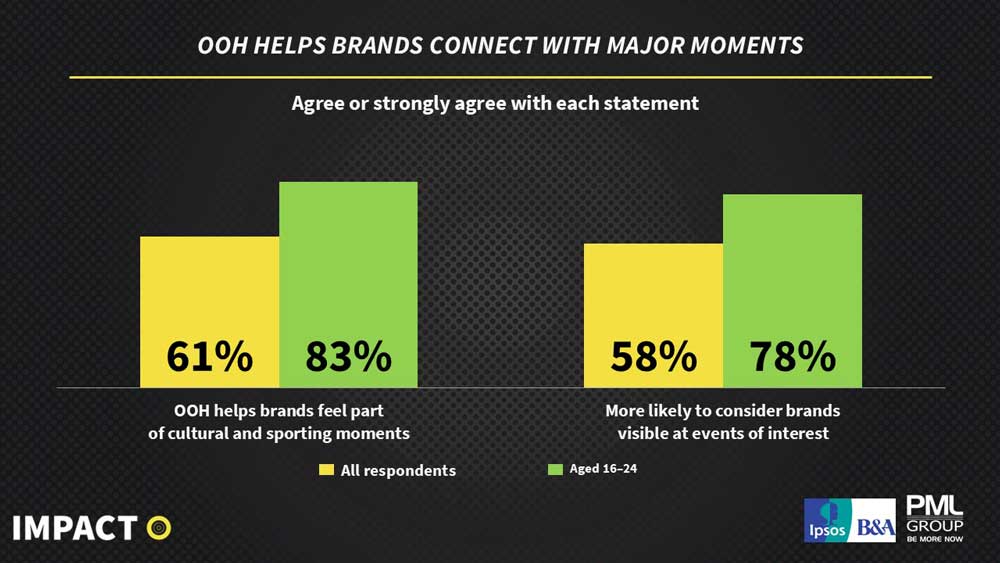
The responses among non-followers are worth noting too. Almost half (49%) agree that OOH helps brands feel part of major cultural and sporting moments, while 47% agree they are more likely to consider brands visible during events they care about.
These latter questions aren’t confined to rugby. They concern major occasions and events more generally, making the results relevant to a much wider range of sporting and cultural opportunities. The interest people have in a particular event may differ, but the potential for brands to connect with something meaningful to those audiences remains.
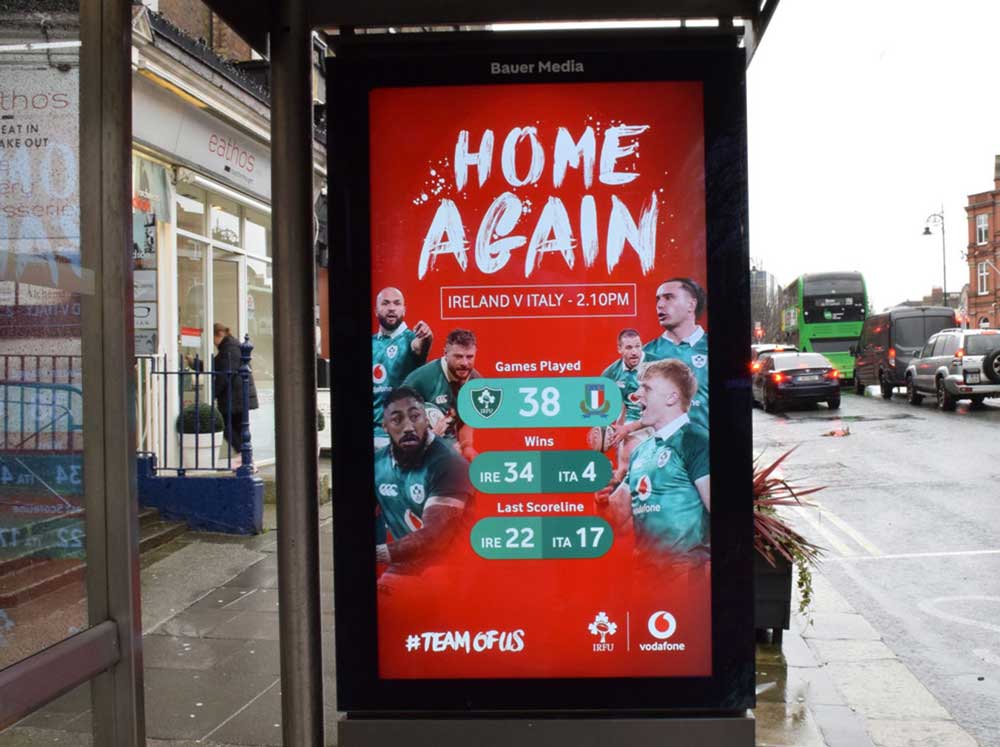
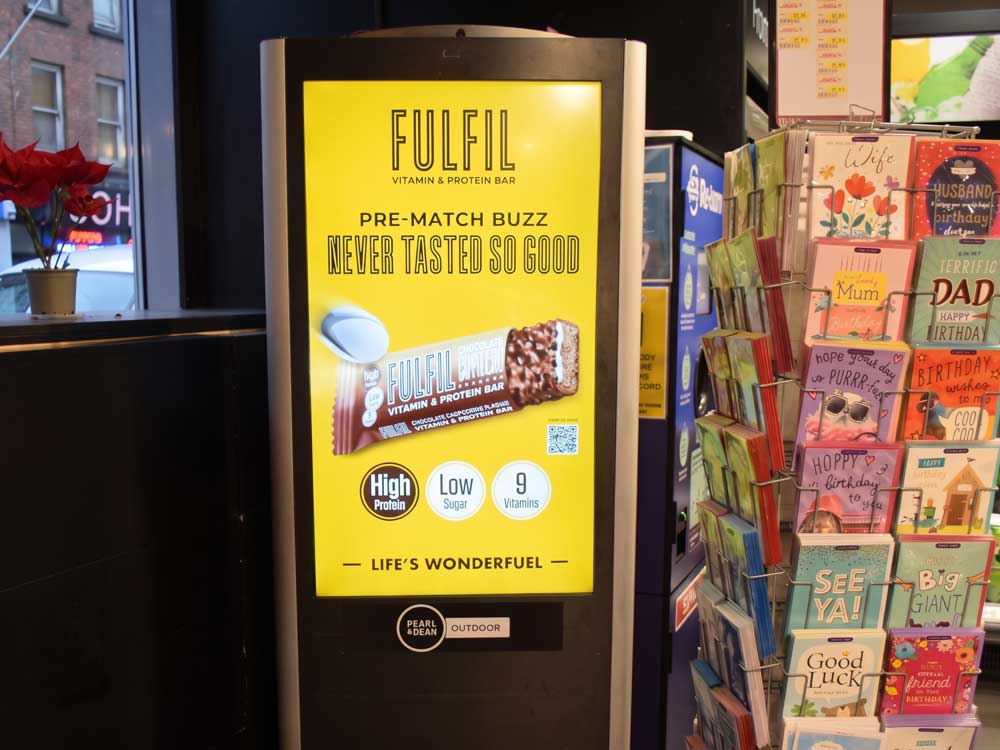
With the Nations Championship ongoing, the 2027 Six Nations is not far off. The championship offers opportunities to reach established rugby audiences, but also provides a wider collection of social occasions, journeys and environments in which advertising can be encountered.
The increased socialising and hospitality visits reported during the tournament make those environments particularly relevant. City-centre journeys offer another consideration, while the differences in advertising attention suggest that campaigns connected to specific fixtures and audiences have a different opportunity from more general visibility around the event.
The research also provides a useful starting point for thinking about creative relevance. Messages linked to particular fixtures, social occasions or locations can reflect what audiences are doing at the time, rather than relying solely on an association with rugby.
For brands, there’s value in understanding not only who’s following the matches, but where those audiences are going, what they’re doing and when advertising is most likely to earn their attention.