











 Aaron Poole, marketing insights manager, PML Group with this week’s Out \ Look on Out of Home
Summer gig season remains one of the clearest examples of how OOH can meet audiences as anticipation builds, journeys begin and live moments unfold. By the time the gates open, the audience is already moving through the city.
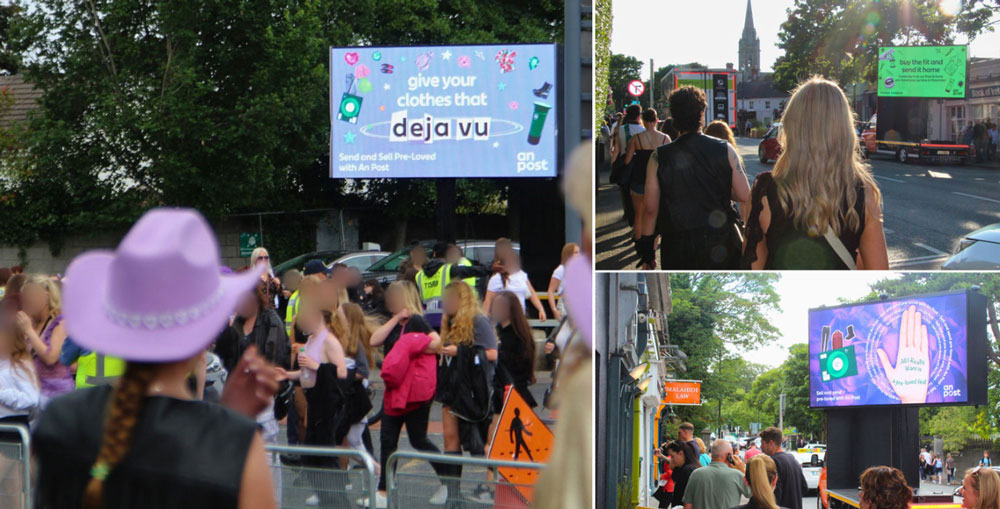
That is the reality of summer gig season in Dublin. Park dates, stadium shows, festival weekends and city-centre series do more than fill the calendar. They create anticipation, shape movement and make live music visible far beyond the venue itself. This year’s line-up already points to another packed season, with major dates across Malahide Castle, Marlay Park, the Aviva Stadium, Trinity Summer Series and the wider festival circuit stacking into a recognisable summer rhythm. Malahide Castle alone is set to host artists including Nick Cave & The Bad Seeds, Kodaline, Katy Perry, Michael Bublé, Calvin Harris and Maroon 5, while Marlay Park’s schedule includes Olivia Dean, Lewis Capaldi and The Cure. Trinity Summer Series also returns from 29 June to 5 July.
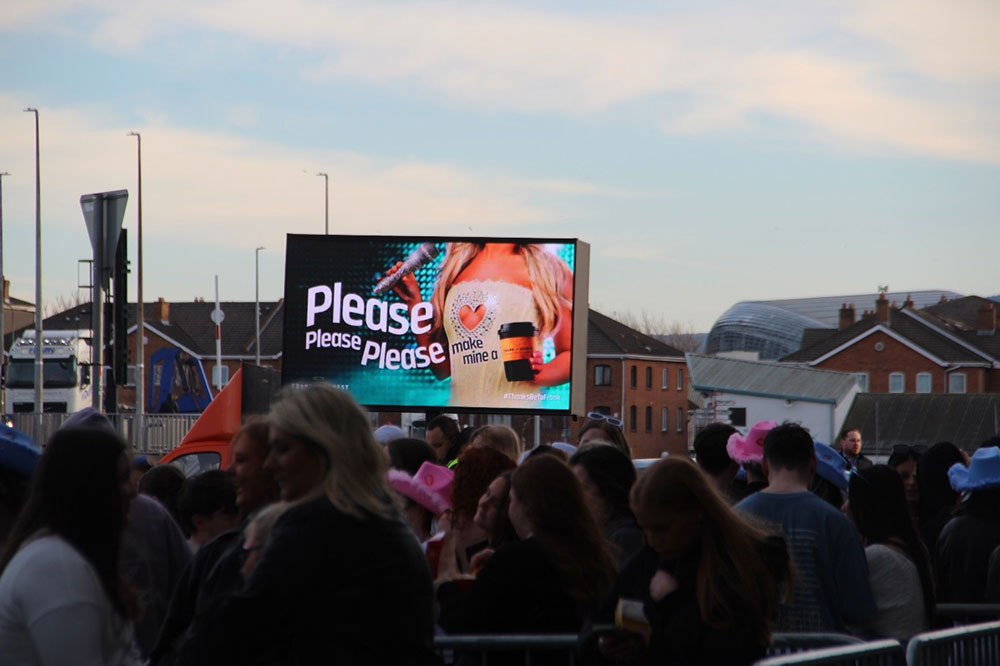
That matters for brands because live music is not experienced in isolation. It is announced, discussed, counted down to and travelled towards in public. Long before an act takes to the stage, audiences are filling trains and buses, gathering in bars and funnelling into the same venue routes night after night. Live music no longer begins at the venue. It begins in the streets around it.
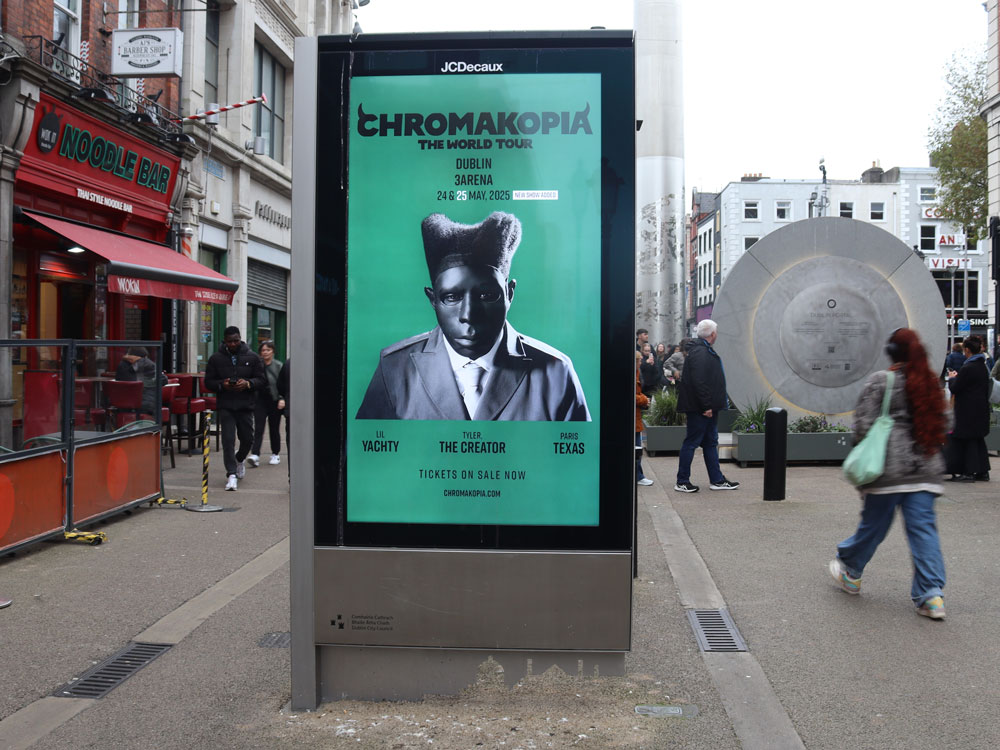
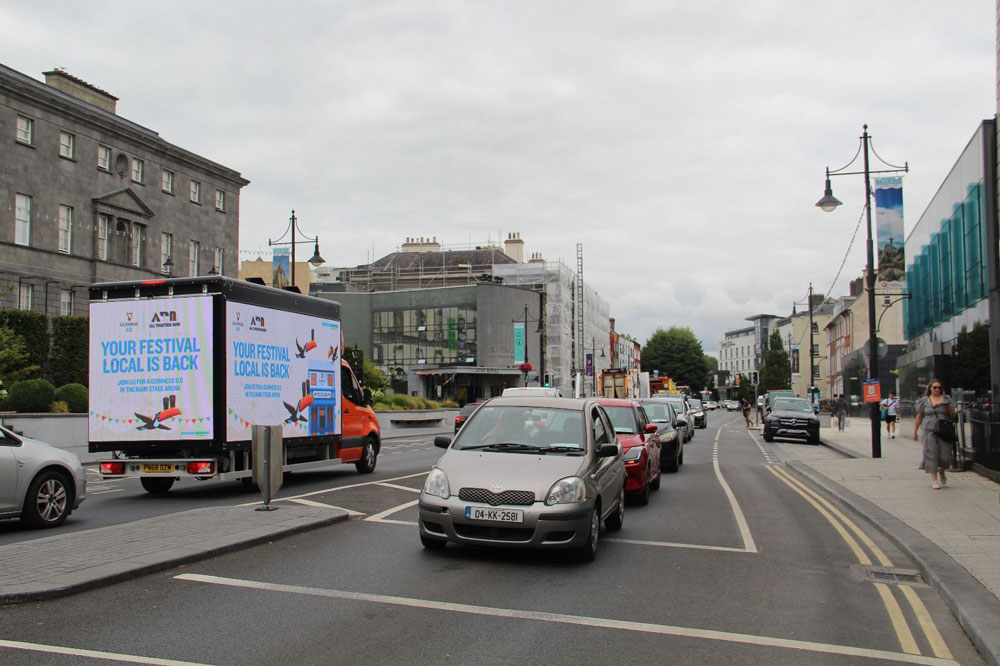
That is what makes the season such a natural fit for Out of Home. The opportunity does not sit solely inside the gates. It sits in the wider experience around them – the on-sale buzz, the route in, the meet-up beforehand, the pub or bar afterwards, and the shared sense that something is happening in the city that night. When people start moving in the same direction, OOH becomes a more powerful way for brands to show up with relevance and timing.
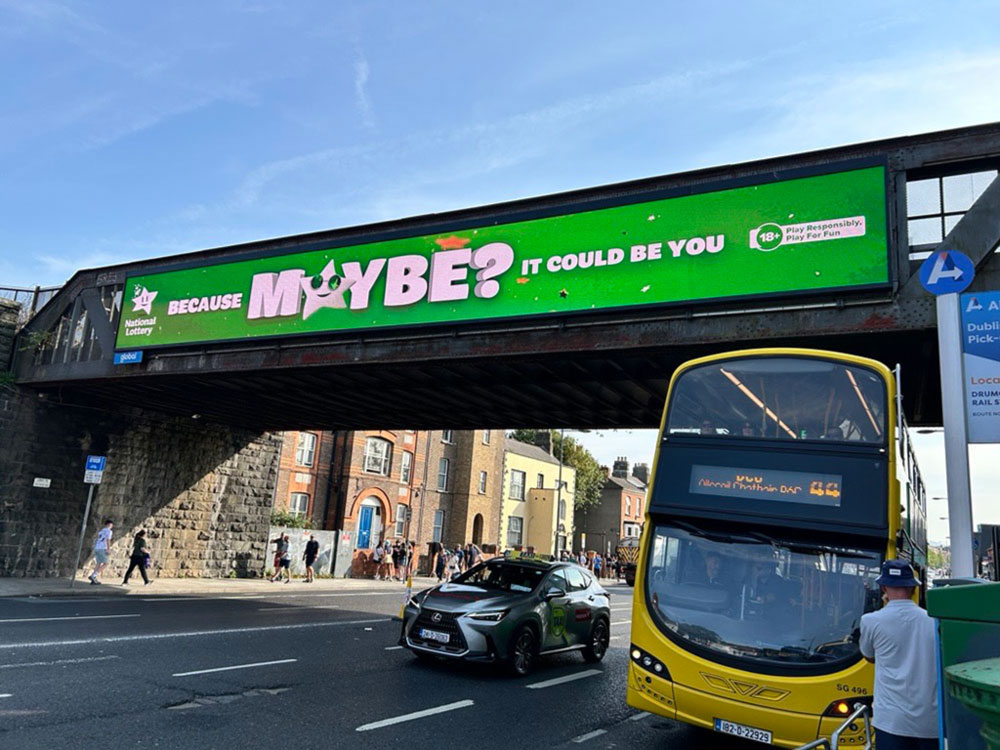
Recent PML Group research helps put shape on that opportunity. In iQ work with Dublin audiences, interest was strongest around the biggest summer venues and occasions, with 34% expressing interest in concerts at Croke Park and the Aviva Stadium, 33% at Malahide Castle, and 26% at both Marlay Park and St Anne’s Park. Festival appetite was also clear, with 30% interested in Electric Picnic, 25% in Longitude and 20% in All Together Now. Rather than pointing to a niche audience, those figures reflect something broader – a summer audience concentrated around recognisable venues, repeatable routes and highly visible public moments.
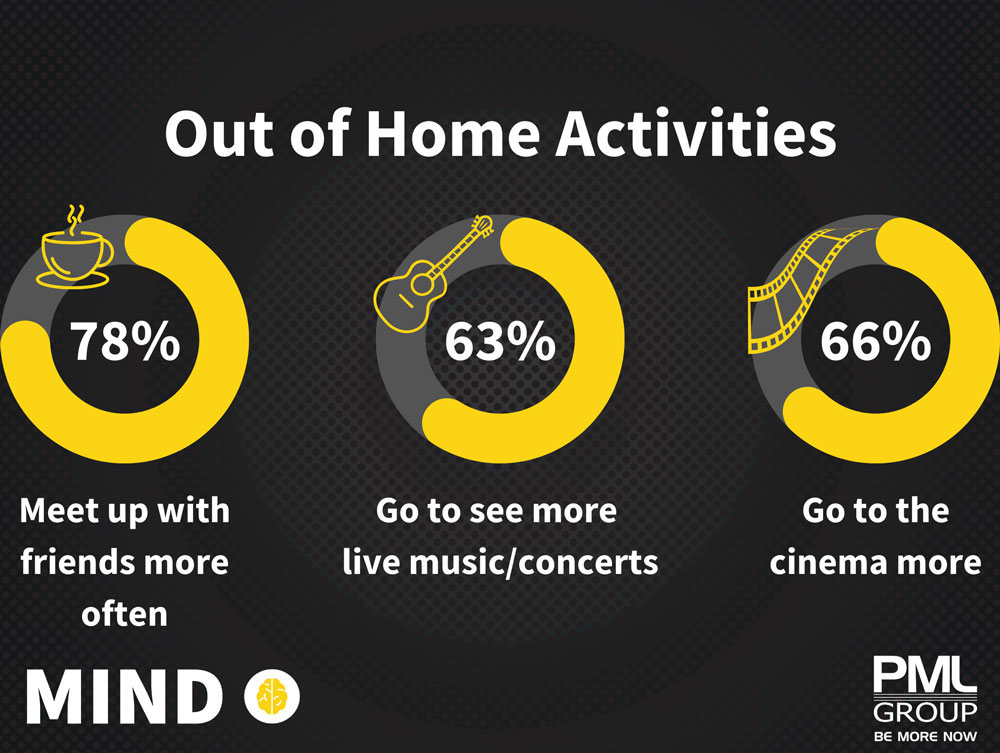
That broader appetite is visible elsewhere in our recent work too. In our top of the year study investigating intentions for the new year, 63% of consumers said they were likely to go to more live music and concerts in 2026, with intent rising again among 16 to 24 year olds.
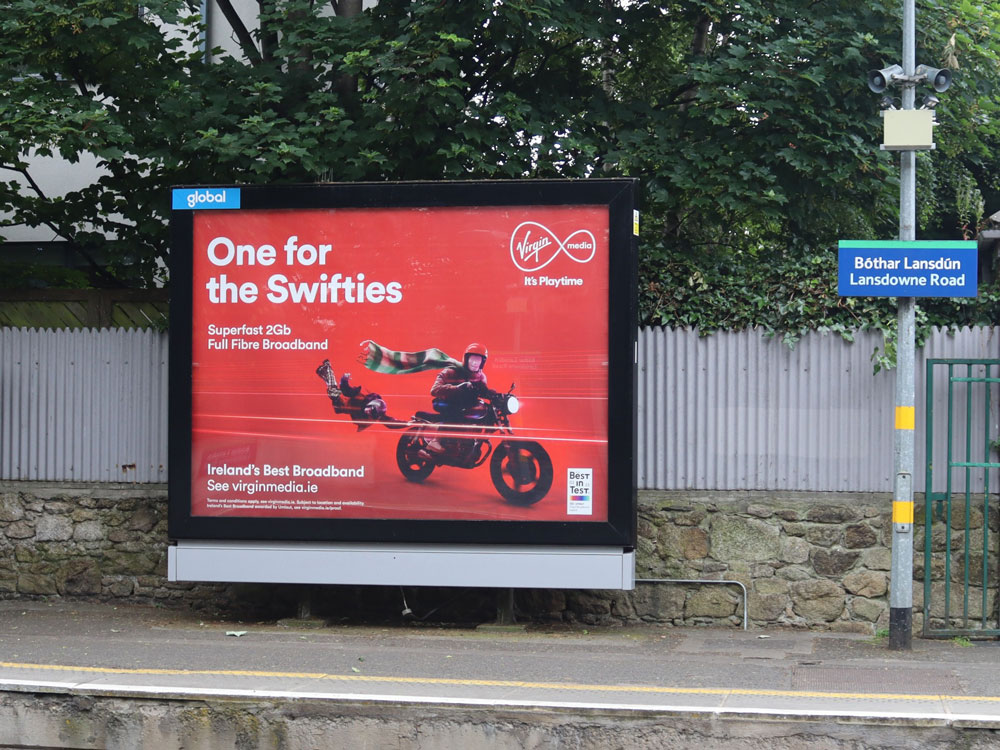
That distinction matters. The value of summer gig season is not simply that people like music. It is that the behaviour around live music creates a particularly strong environment for OOH. Audiences are out in the world. They are travelling, gathering, waiting and socialising. Recent Dentsu Pulse research suggests there is real permission for brands to show up in that space when the execution feels connected to the occasion. 19% noticed brands referencing concerts or festivals in advertising, rising to 32% among under-35s. 26% said they like or love brands referring to gigs on billboards or bus shelters, climbing to 36% among under-35s. Separate recent TGI analysis showed an OOH consumer index of 118 for concert or gig visits and 138 for spirits consumed at gigs.
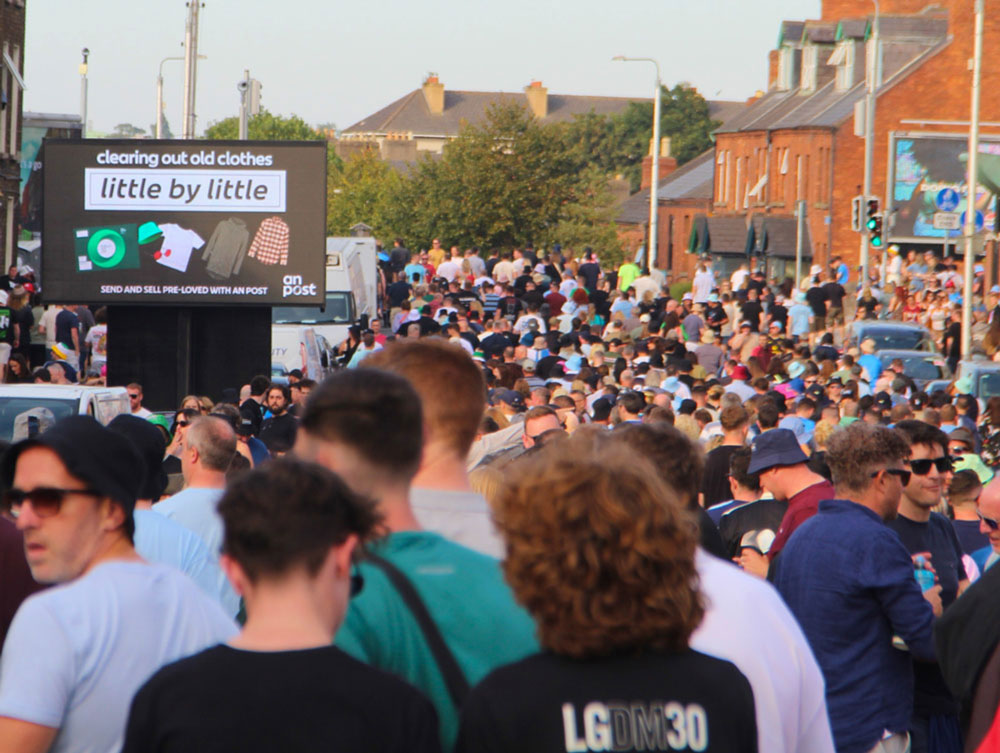
Recent activity has already shown how quickly that public momentum can build. Oasis’ two sold-out Croke Park dates drew more than 160,000 fans, with city streets and stadium surrounds filling up long before the shows themselves began.
That is where the medium starts to earn its place. Sponsorship can create association, but OOH can make that association public. It can build presence before the gates open, extend relevance beyond the venue and connect brands with audiences across the wider city while anticipation is already high. Classic formats can establish scale. Digital OOH can add timing, context and immediacy. Retail, transport and social environments can help extend the role of a brand beyond the venue gate and into the wider journey around the night.
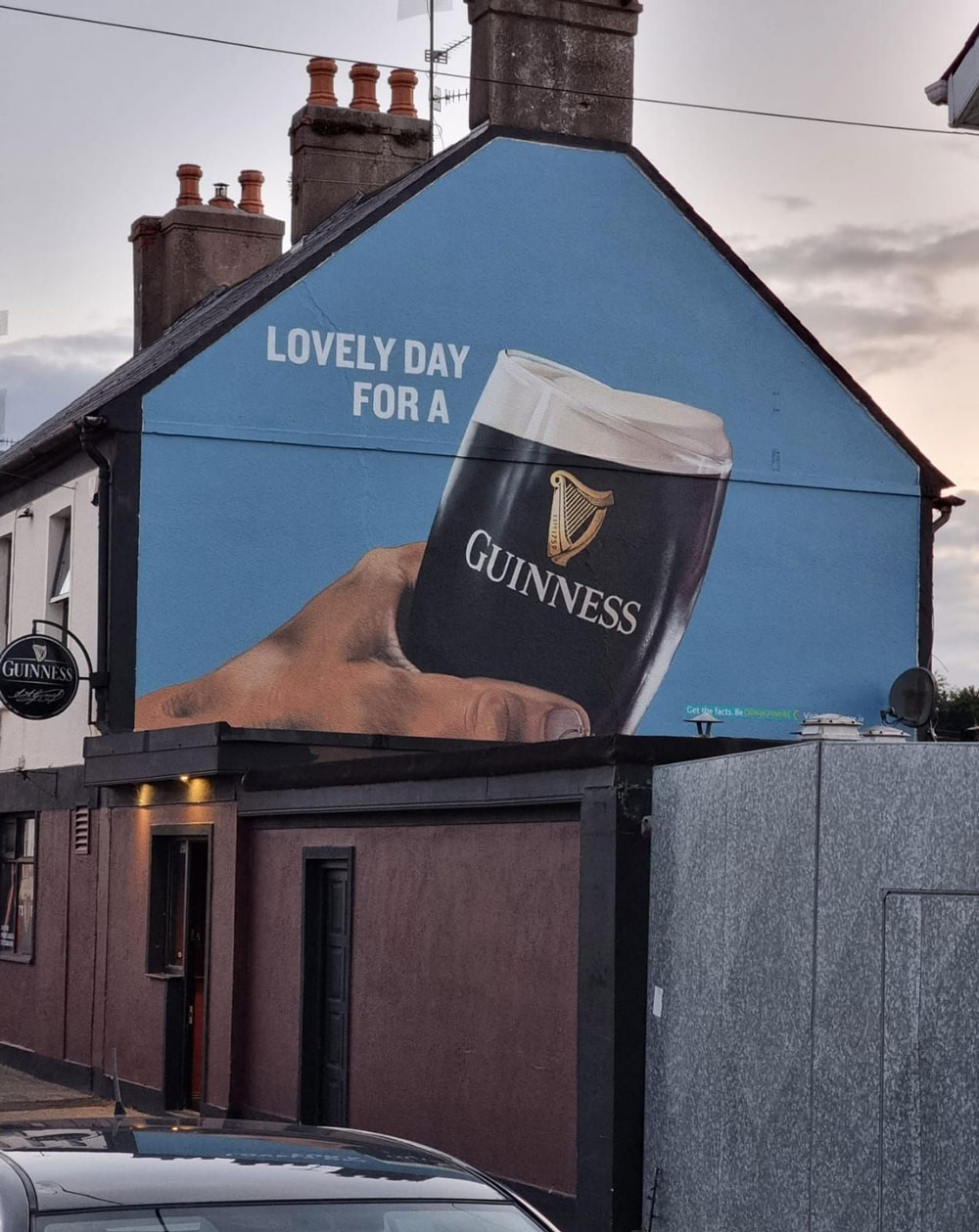
The busiest gig seasons also tend to be some of the most useful to plan around because they create a pattern. Certain venues command attention. Certain routes become predictable and surrounding neighbourhoods take on a different energy. That gives advertisers more than a cultural cue. It gives them a planning framework grounded in real audience movement and repeated moments of attention.
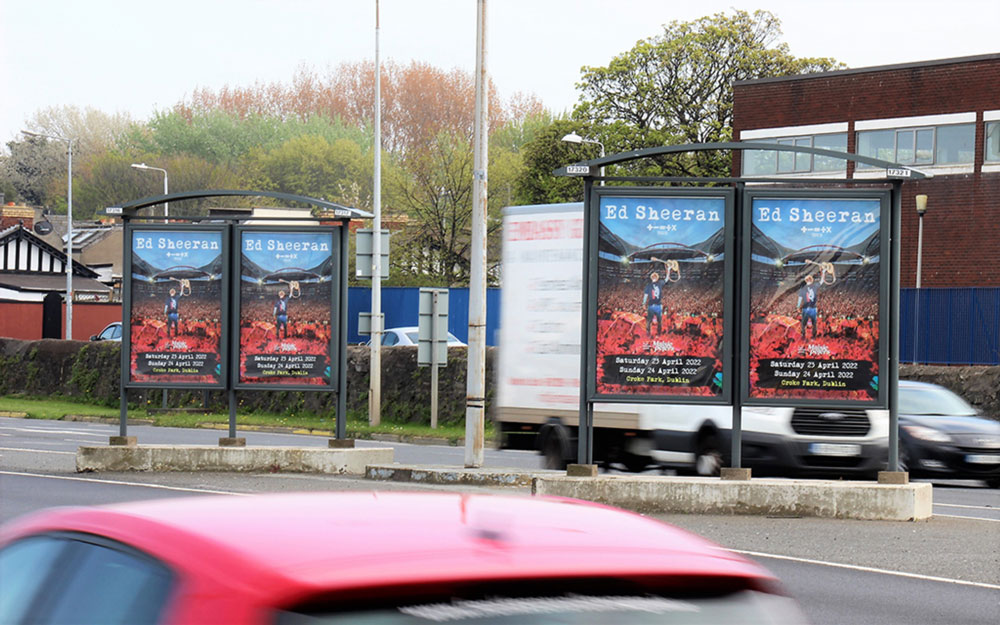
That is why summer gigs should not be thought of as one-off sponsorship opportunities or isolated tactical bursts. At their best, they function as a seasonal platform, one that combines cultural relevance with movement, anticipation and public visibility. In a summer as packed as this one, the brands that stand out will not simply be the ones attached to the biggest acts. They will be the ones that understand what the season really offers. Not just concerts, but shared public moments where the city itself becomes part of the occasion. When the city becomes the venue, Outdoor is already exactly where it needs to be.
To explore how OOH can help brands make more of this summer’s live music moments, get in touch with the team at info@pmlgroup.ie