










 Aaron Poole, Marketing Insights Manager, PML Group with this week’s Out \ Look on Out of Home
Late January never quite looks like the start of anything, even when the calendar insists it is. The evenings are still dark, the drizzle still wins most arguments, and yet the streets are back in full rhythm: commutes, errands, weekend footfall, the small routines that make the city feel busy again.
That rhythm is exactly why new releases keep turning to Out of Home at this point in the year to make an impact. This cycle, a cluster of titles across streaming, broadcast TV and cinema are using Outdoor as a literal release window, not to explain plots or push long copy, but to do the highest-value job at launch – get a title and a date into the public diary, in the moments where the next action is easy. Search a trailer, check listings, save a reminder, book a ticket, stick on episode one when you get home. Each campaign extends into the formats that best match its job, whether that is wider reach beyond weekend shopping, commuter repetition across daily routes, or the close-range “waiting moment” contact that still matters for cinema.
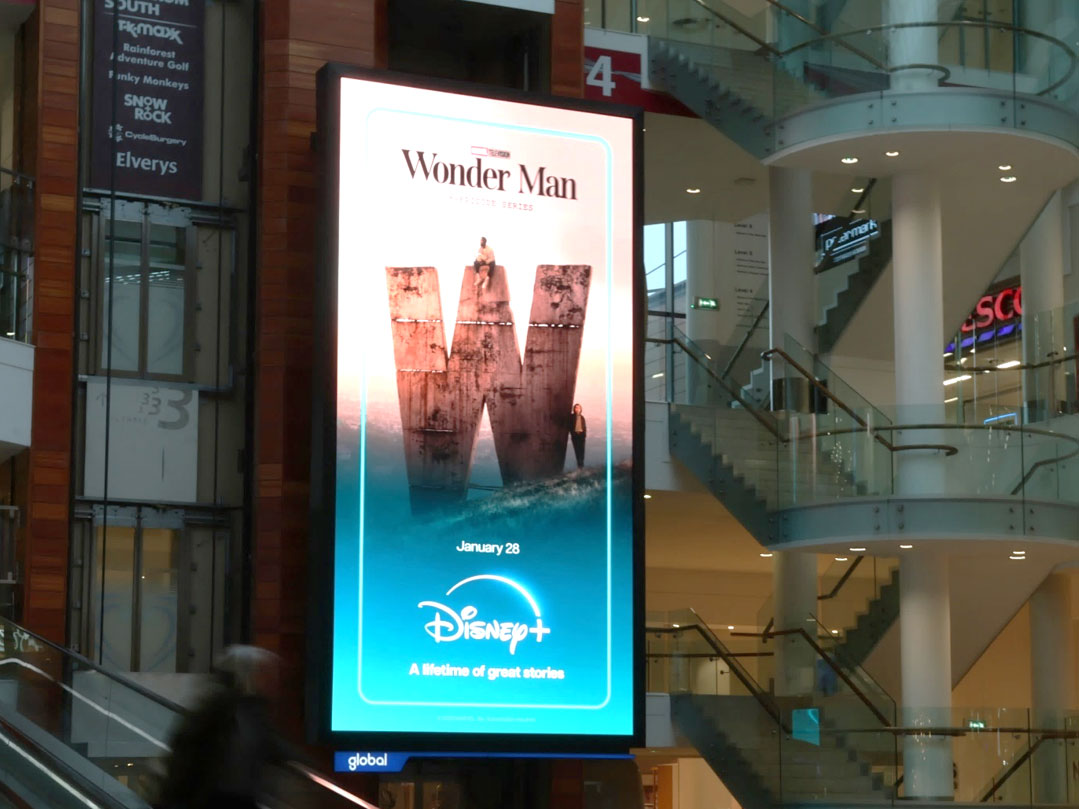
Planned by Zenith and Source out of home, Disney+ is live this cycle with Wonder Man, and the Outdoor creative leans into the cleanest version of a streaming launch, with a big title, strong key art, the date front and centre, and the platform lock-up doing the rest.
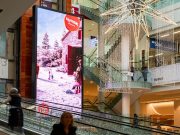
The placement mix matches that simplicity. Mall digital panels and large-format mall screens give the artwork room to breathe, and they sit in exactly the right behavioural zone for on-demand viewing, between intention and impulse. You notice it in a public space, then take the action privately later.
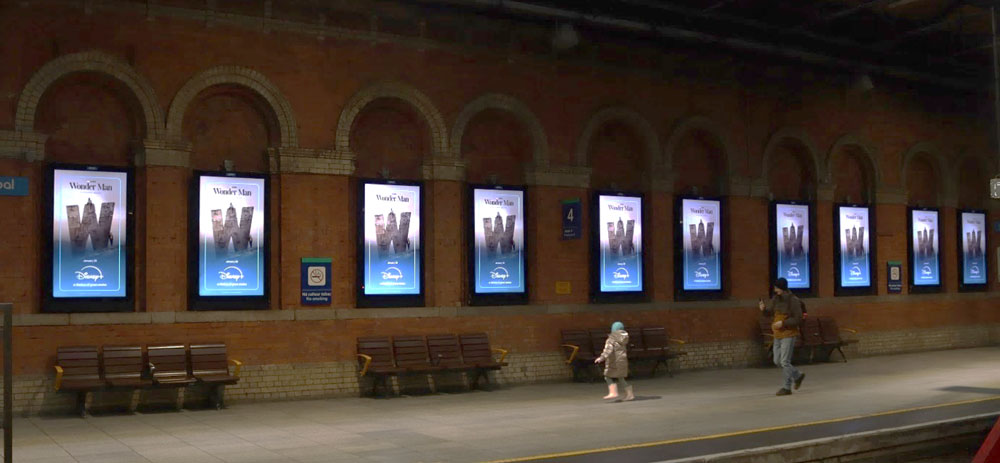
There is also a smart contrast in the wider spread. Additional roadside and digital gallery placements keep the release-date message in circulation beyond retail footfall, so it is not limited to the weekend shopping window.
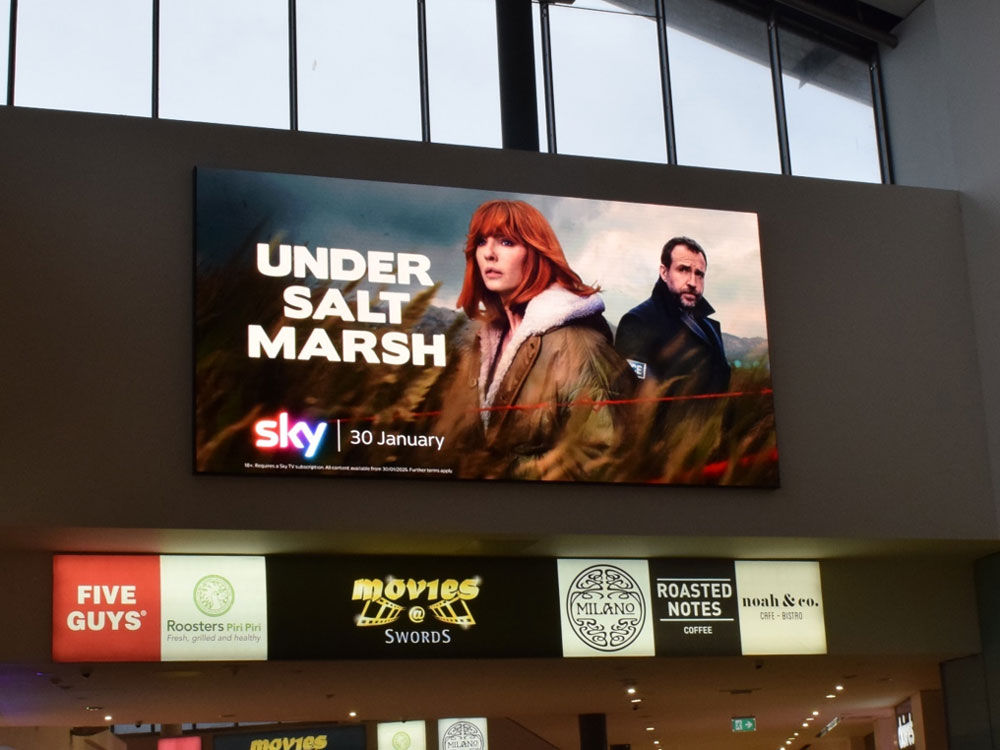
Sky’s Under Salt Marsh is another example of Outdoor doing what it does best for TV, establish a title and tone at scale, then attach a hard date to it. The creative is moody and cinematic, built for fast recognition, and “30 January” is treated like the headline.
Planned by Starcom and Source out of home, the campaign is playing strongly in mall environments too, including large-format screens and portrait placements that reward a longer look. That matters for drama launches, where the viewer decision is rarely “watch now” and more often “remember this exists”, followed by a search later when you are back on the sofa.
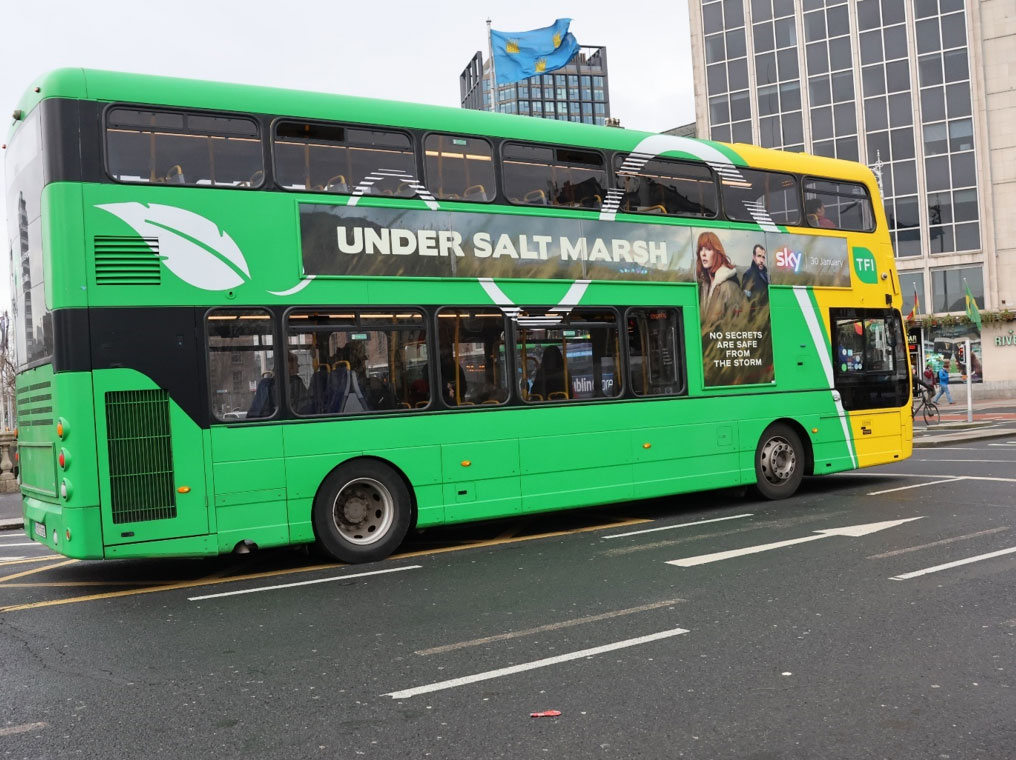
It is also supported through street-level placements like T-sides, keeping the show present on everyday routes where audiences are most receptive to light prompts. For subscription brands, consistency beats complexity, and this is a very consistent execution.
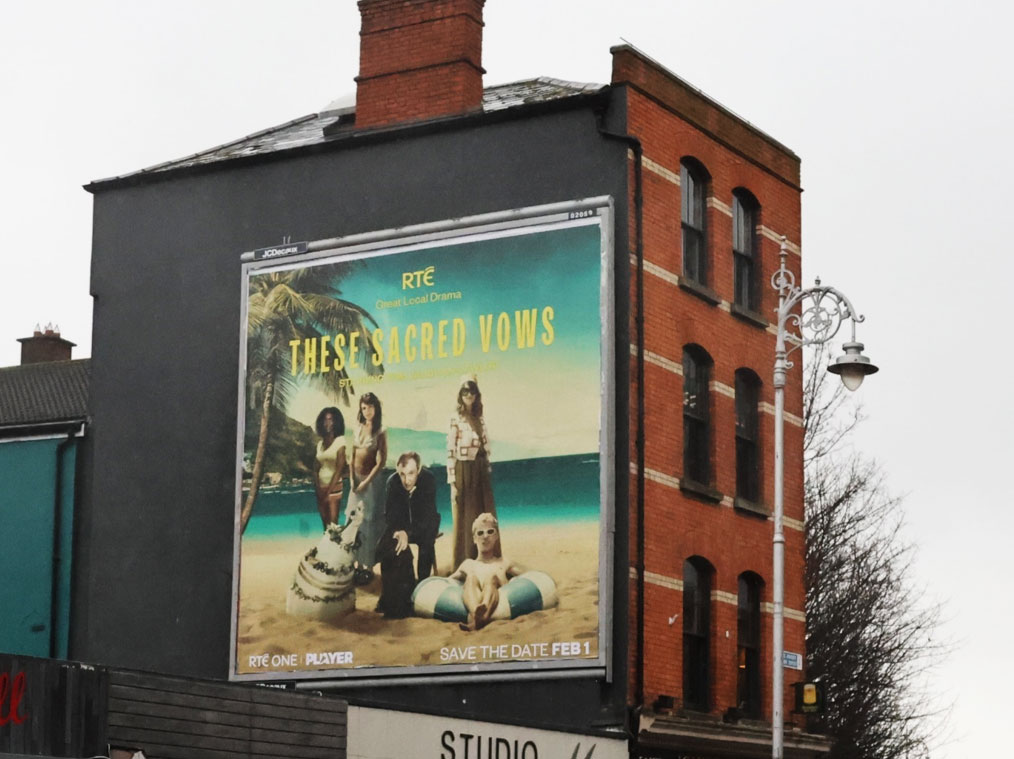
Planned by dentsu and PML, RTÉ’s These Sacred Vows is being teased as a major piece of local drama, with Outdoor used as a broad, high-visibility reminder that the premiere is imminent. The creative does the broadcaster job well featuring faces, an easily read title, RTÉ branding, and a clear “save the date” for 1 February.
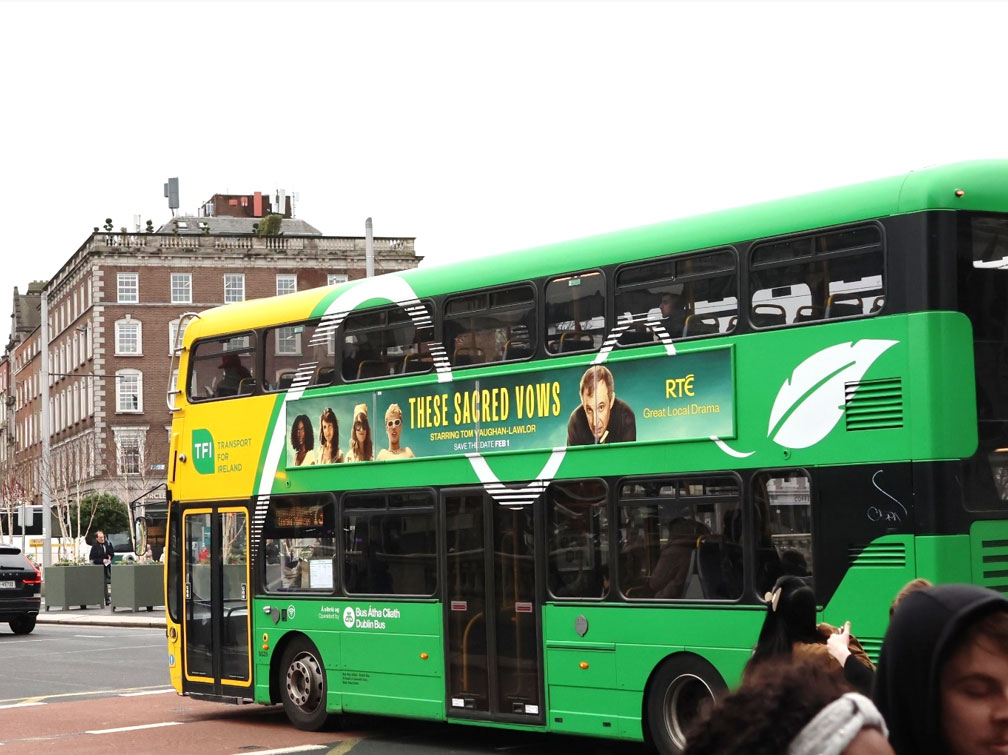
What stands out is the mix of big public canvas and close-range commuter contact. Alongside premium city placements and large roadside formats, the campaign is also appearing on public transport, which turns a release reminder into something you live with for a few days. When you see the same title on the way to work and again on the way home, the message starts to feel like part of the week’s schedule rather than an ad.
For RTÉ in particular, this kind of Out of Home presence adds weight. Local drama needs mass awareness quickly, and Outdoor can deliver familiarity before the first episode even airs.
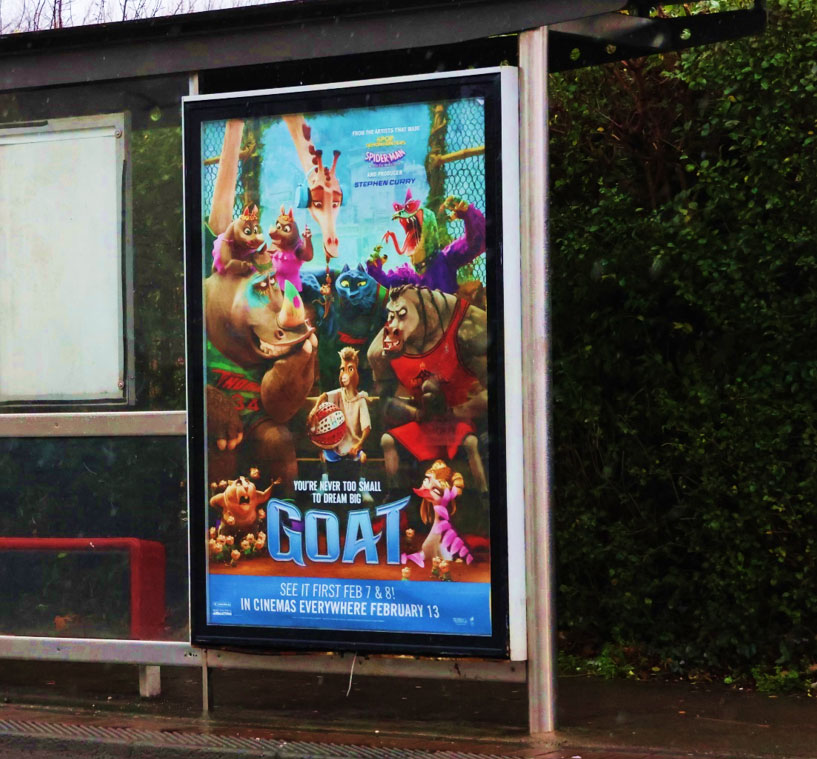
For cinema, the brief is even more direct. Planned by OMD and Source out of home, Sony Pictures’ GOAT is live with classic shelter placements and lift door formats, built around a simple, family-friendly promise and a very clear release message pointing to it landing in cinemas everywhere on 13 February, with an extra nudge for early showings on 7 and 8 February.
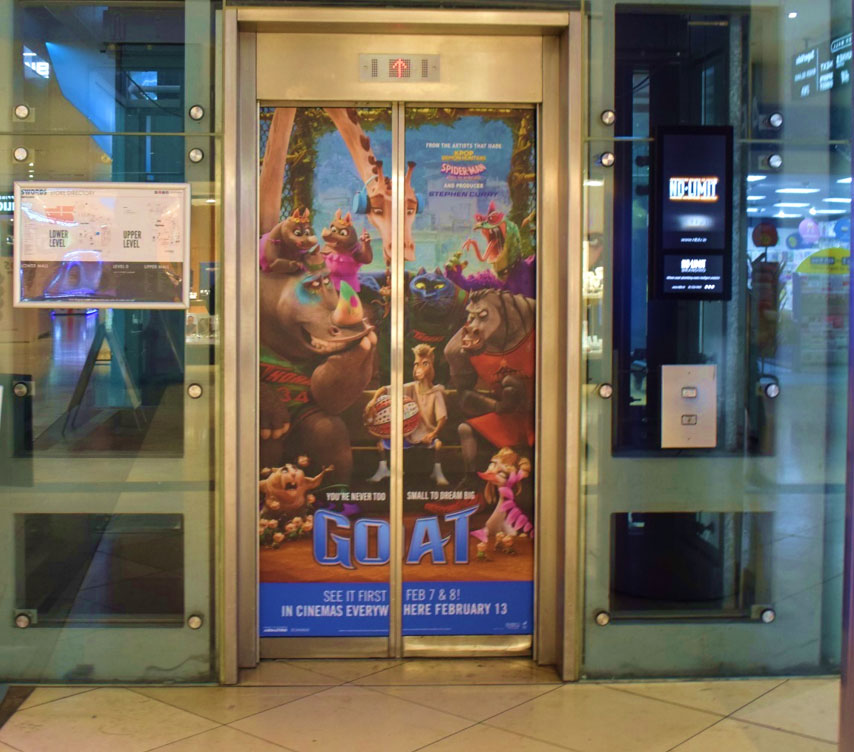
It is a good reminder that film marketing still benefits from being physical. A cinema release is an outing, not just a click, and Out of Home keeps the idea of the trip alive in the real world, particularly in the places where families are already together: shopping centres, high streets, and the everyday waiting moments where you actually notice a poster.
Across all four campaigns, the common thread is not “Outdoor supports other media” in the abstract. It is Outdoor making the next step easy. The Point of Search work shows people are more inclined to reach for their phone, search and act while they are already out of home, and release-date messaging is built for that behaviour, because the action is simple and immediate – look it up, set a reminder, watch it later, or book it now.
Consumer intentions 2026: Getting healthier and getting out more
Our latest iQ study, conducted with Ipsos B&A, asked consumers how likely or unlikely they are to make a series of changes in 2026, from health behaviours through to nights out and socialising. This is the first of two instalments. Here, we look at the lifestyle intentions that shape footfall, leisure, and everyday category demand.
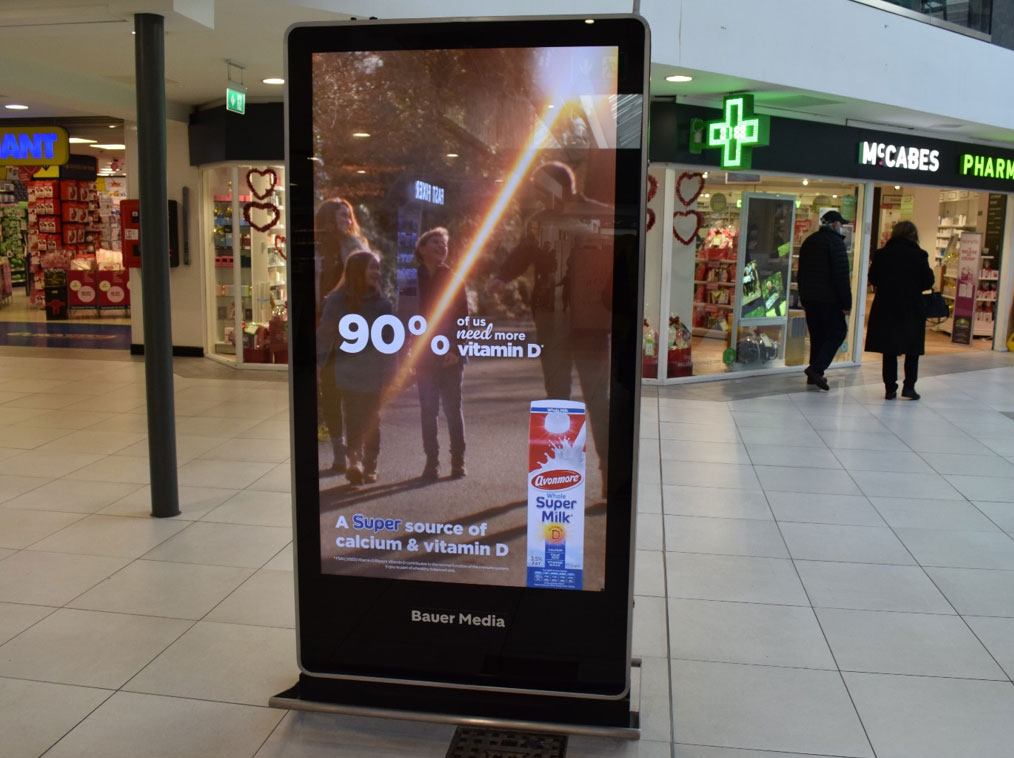
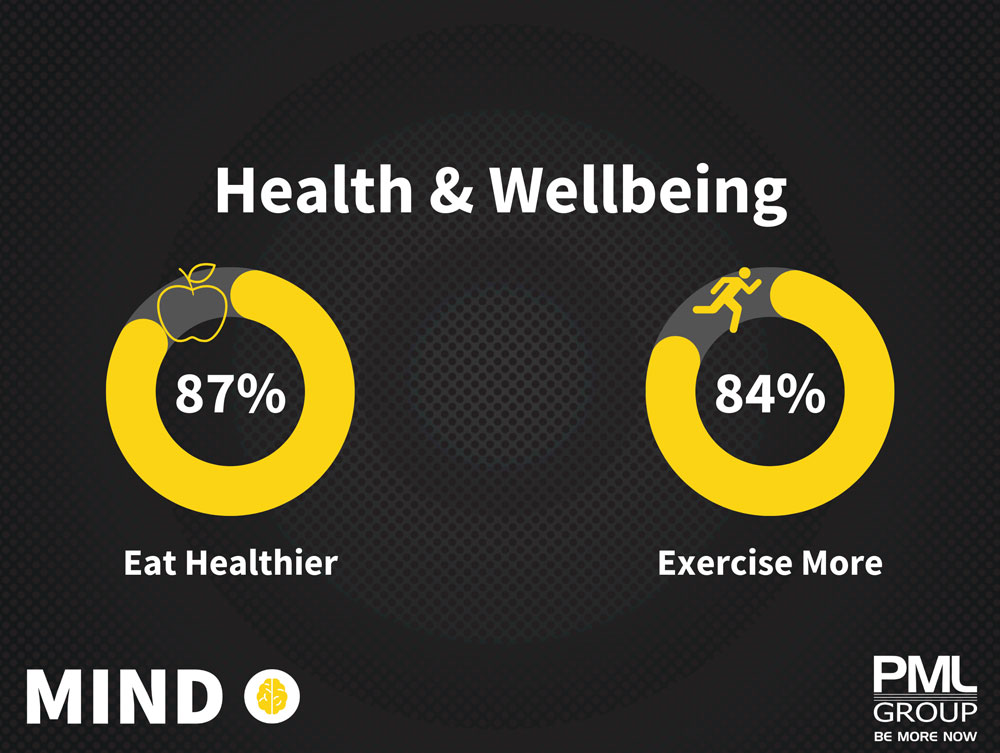
The topline is simple. People are planning to do more, and they are planning to do it out in the world.
The health numbers land at the top of the chart for a reason. 87% of Irish consumers say they are likely to eat healthier in 2026, and 84% say they are likely to exercise more. That is not soft ambition either. Roughly one in three say they are very likely to do each, with 35% very likely to eat healthier and 36% very likely to exercise more. For brands in grocery, fitness, wellness, pharmacy and quick service, that is a wide runway for messaging that feels practical, not preachy.
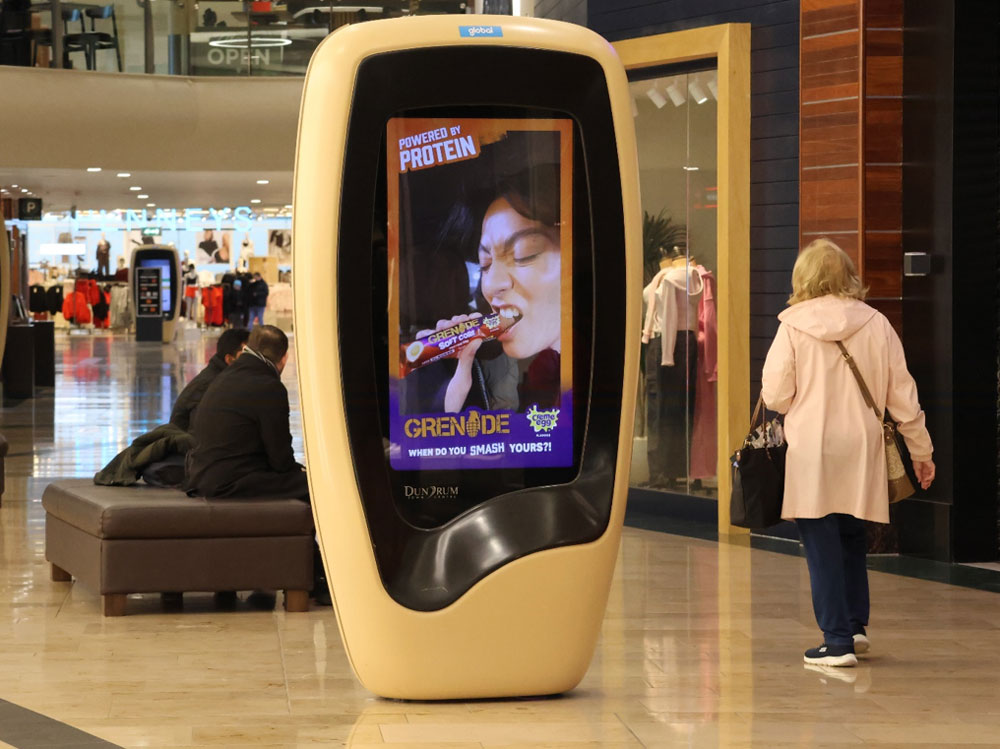
The peak sits with 25 to 34 year olds, where 93% are likely to eat healthier and 89% are likely to exercise more. In other words, a cohort with spending power is actively signalling a preference shift towards healthier routines.
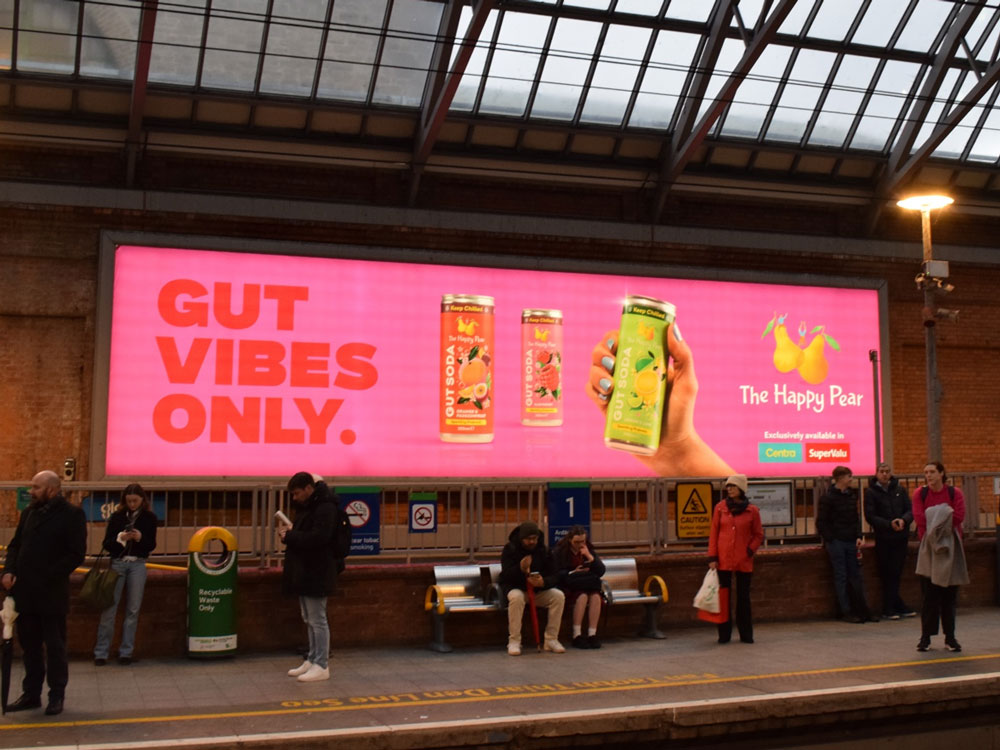
From an Out of Home point of view, this is exactly the kind of behaviour that rewards real-world planning. The moments that shape health choices happen on the move, on the commute, outside the supermarket, and around everyday journeys where convenience wins. Outdoor is built to meet that reality without needing permission from an algorithm.
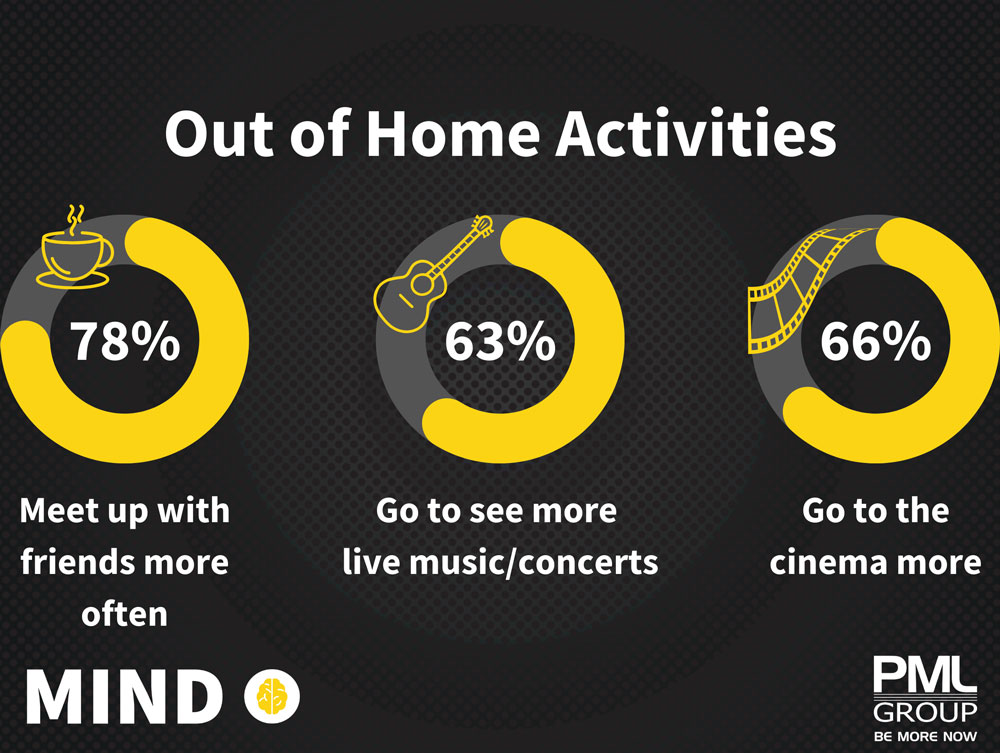
There is also a clear appetite for more living. 78% say they are likely to meet up with friends more often in 2026, with 29% very likely. Meanwhile, 66% are likely to go to the cinema more, and 63% are likely to go to more live music and concerts. Among 16 to 24 year olds, both cinema and live music rise again, pointing to a younger audience that is actively planning nights out, not just scrolling past them.
This matters because it signals a healthy pipeline for leisure categories that rely on footfall and impulse. Films, streaming platforms, venues, festivals, bars, quick eats, and the brands that travel with those occasions all benefit when people are physically present in shared spaces.
It also creates a planning cue. When the intent is about being out, location becomes the media advantage. Transport environments, city centres, retail leisure locations, and the routes between them are where attention is available and where messaging can feel naturally relevant, because it is encountered in the same world as the behaviour.
There is a temptation to treat lifestyle intent as soft, but it is the opposite. It is a signal of where the next twelve months of consumer attention will be spent, and attention is still the hardest currency to earn.
This is where our 2026 focus, OOH with IMPACT, fits neatly. Not as a slogan, but as a discipline. If consumers are actively choosing healthier routines and more out of home social time, Outdoor is one of the few channels that can show up in those real moments at scale, and then be measured for what it delivered.
In the second instalment, we move from lifestyle intention to decision windows – the categories where people are actively open to switching provider, changing car, and making the kinds of choices that reshape spend across the year. To explore how OOH can support your brand in reaching a transforming audience, contact info@pmlgroup.ie.