














 Chloe Hylands, Marketing Manager, PML Group Northern Ireland with this week’s Out \ Look on Out of Home
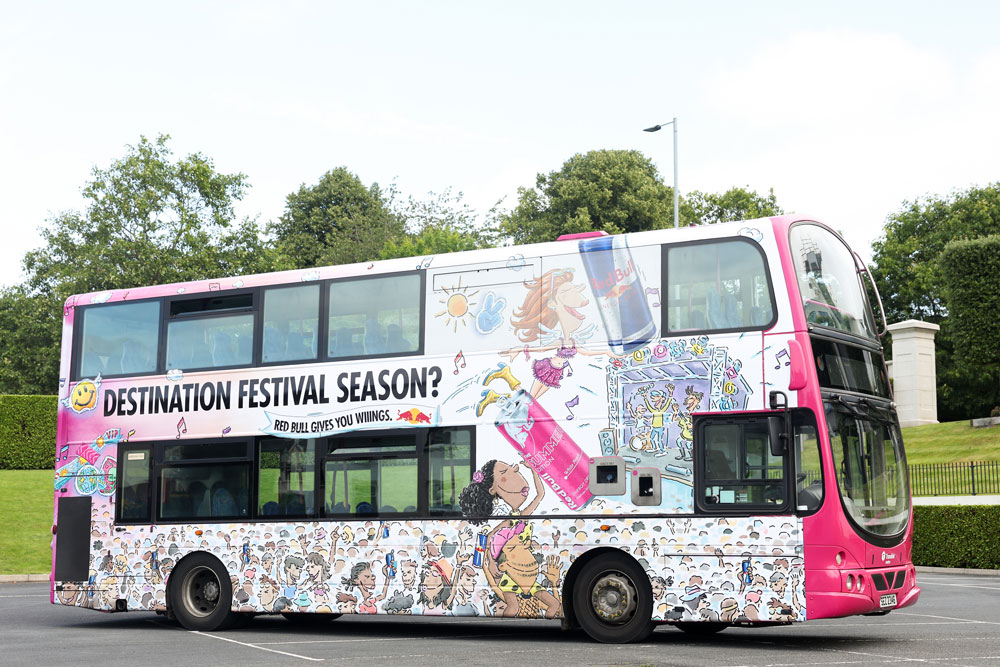
In an increasingly digital focused world, OOH advertising continues to prove its relevance, impact, and adaptability. Brands like Red Bull exemplify how iconic Outdoor formats can captivate audiences and drive engagement. Their recent Bus Wrap transformed a Bus into a moving display, leveraging bold visuals and vibrant colours to create a high-impact presence on the streets.
This format not only offers a large canvas for creative expression but also resonates strongly with younger demographics, especially during high-energy moments like festival season.
While traditional OOH formats such as Bus and Billboards continue to deliver strong results, digital is accelerating and redefining how brands engage in today’s evolving ad space. Currently, the market share stands at 59% for classic formats and 41% for digital, a figure that continues to grow in digital each year. This shift underscores the importance of early planning and strategic media selection, as advertisers must navigate a changing inventory landscape.
Adopting a hybrid strategy allows for greater flexibility in creative execution, enabling dynamic content such as live countdowns, weather-based triggers, and real-time social media integration. Our Dynamic platform Liveposter enables brands to deliver contextualised, optimised messaging across multiple media owners and digital sites, enhancing relevance and driving stronger consumer impact.
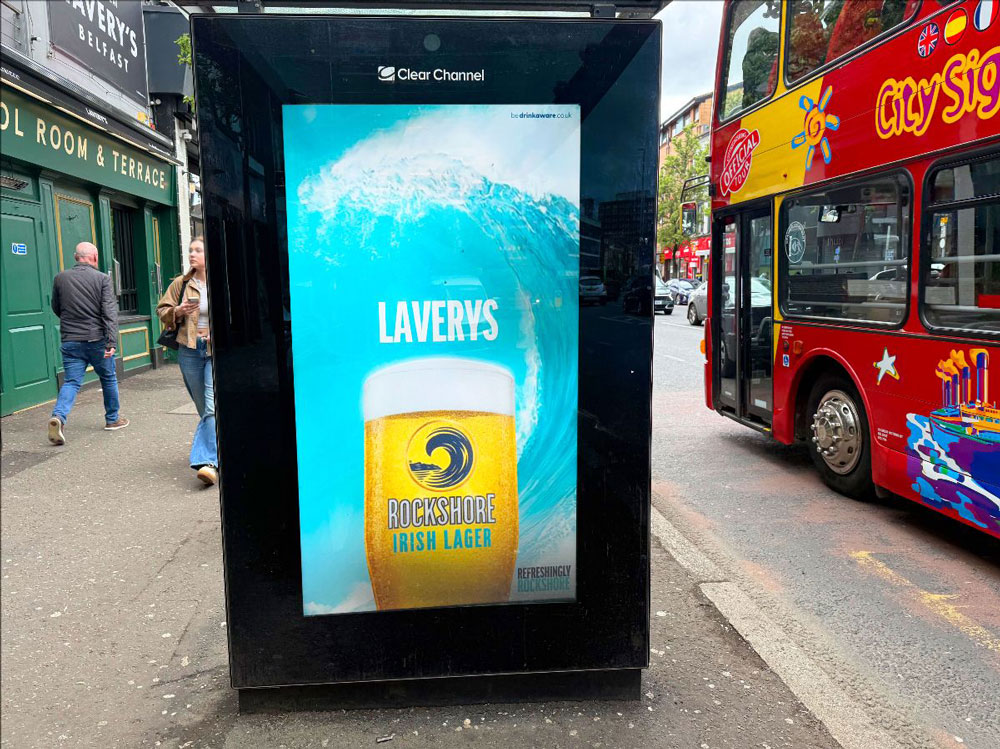
Consumer exposure to OOH remains strong. TGI data shows that 61% of Northern Irish adults have seen classic OOH in the past week, while 58% have encountered DOOH. This demonstrates the complementary power of both formats, classic OOH offers enduring visibility, while DOOH provides immediacy and creative agility. Our impact research further reveals that multi-format campaigns can boost ad recall by up to 70%, reinforcing the value of an integrated strategy.
The high street is showing strong signs of revitalisation, a positive trend for OOH. Belfast One reports a 6.5% increase in footfall this year, this is driven by new retail openings and expansions such as The Ivy, Victoria’s Secret, and Mango. OOH plays a critical role in this consumer journey, targeting shoppers from their homes right up to the point of sale. Unlike online ads, OOH cannot be skipped or ignored, it’s ever-present in high-traffic locations, building brand awareness and delivering targeted messaging.
Cost effectiveness is another key advantage of the medium. Recent CPM comparisons from Solomon Partners show that OOH delivers the highest ROI in audience reach. As marketing budgets tighten and advertisers demand more measurable results, OOH stands out as a smart investment.

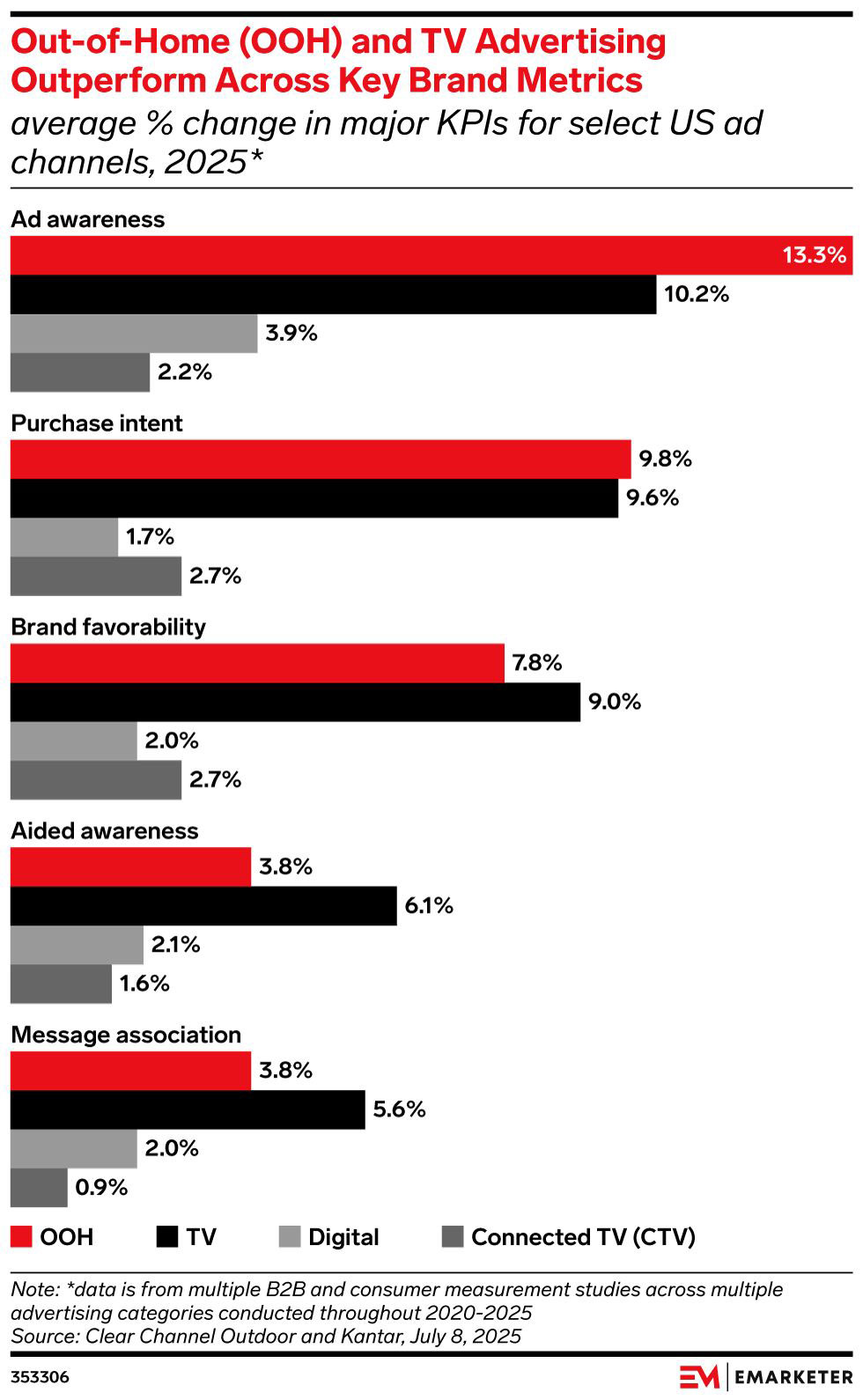
Further supporting this, a five-year study by Clear Channel US and Kantar found that OOH drives higher ad awareness than digital media and rivals TV in effectiveness. Notably, OOH leads in purchase intent, outperforming TV, CTV, and digital channels.
This reinforces OOH’s unique ability to influence consumer behaviour in a busy media environment. With online ads often skipped or overlooked, OOH stands out as a reliable and unavoidable medium.
Retail media is emerging as a vital component of the OOH mix. While point-of-sale advertising remains central, the opportunity to influence consumers throughout their daily journey, from school drop offs to lunch breaks and evening commutes, it is invaluable.
At PML, we view retail media not as a passing trend but as a vital strategy that shapes how brands connect with consumers in real-world environments. Our proprietary mapping system, enriched with consumer data from sources including Census, Locomizer, and Mosaic, enables precise targeting of specific audiences and retail locations.
This ensures precision targeting and relevancy at every touchpoint, reaching people where they live, work and play. By combining location intelligence with behavioural insights, we deliver smarter, more effective OOH campaigns that resonate with real audiences in real environments.
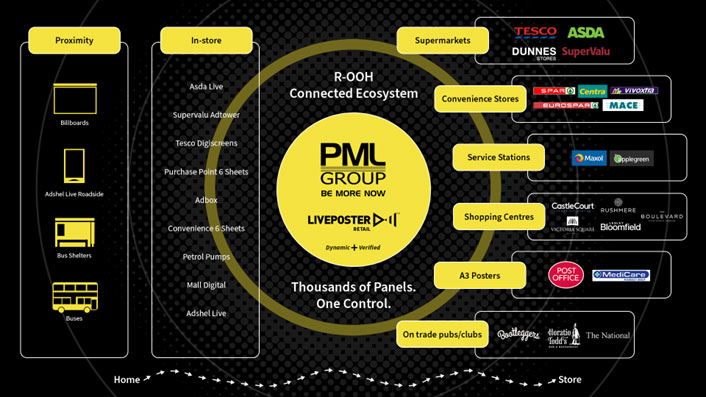
Moreover, Tesco’s new Digiscreens, offer insights from Dunhumby into shopper behaviour and the best performing stores, allowing advertisers to tailor messaging based on real-time data. Our OCS research shows that 71% of Irish adults visited a supermarket in the past week, over half went to a convenience store or forecourt, and a third spent time in a shopping centre, highlighting the scale and diversity of retail engagement.
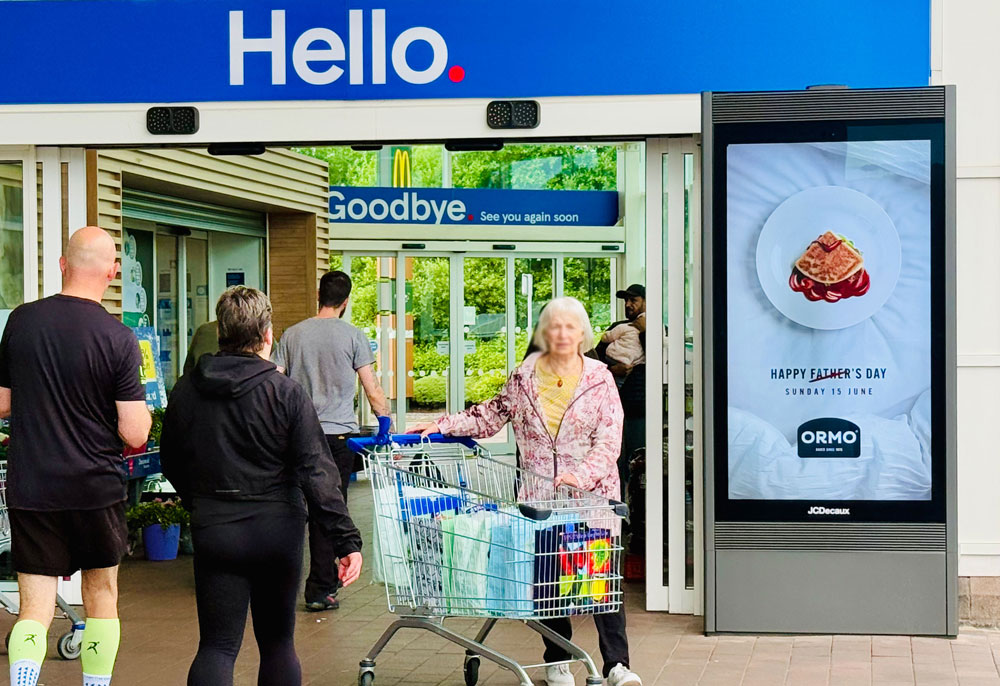
Relevance is paramount. The Moments of Truth Research reveals that contextual advertising can increase its effectiveness by 17%. Dynamic scheduling, such as rotating creatives for morning, afternoon, and evening, can enhance appeal and drive consumer cravings. However, not all campaigns need to be dynamic to be effective, thoughtful creative tailored to its environment can be equally powerful. It’s about understanding the context and the mindset of consumers.
Global studies support this. Amplified Intelligence found that OOH formats are nearly six times more likely than digital scroll environments to surpass the 2.5-second threshold required to trigger memory. In a fragmented media world, OOH offers shared, real-world visibility.
In conclusion, OOH is not merely part of the mix, it’s a foundational element of advertising. Its ability to deliver scale, relevance, and impact across both classic and digital formats makes it indispensable. Retail media, dynamic content, and data-driven planning are reshaping the way brands connect with consumers.
Get in touch today to discover how we can elevate your next OOH campaign info@pmlgroup-ni.com