











 Orlagh Keane, Client Director, Source out of home with this week’s Out \ Look on Out of Home
Week 3 of our three-part Retail Media series
Over the past few weeks, we’ve explored how Retail Out of Home supports the shopper journey from different angles. It begins with early influence on the street. It finds its rhythm in key retail moments. It deepens in high-attention spaces like the mall. These environments are layered and emotional. The path to purchase rarely follows a straight line.
Our latest Mall Scene research gives us a closer look at how people engage with these spaces. The findings reinforce what we already suspected; malls are not just part of the shopping journey, they’re part of the OOH consumer’s lifestyle.
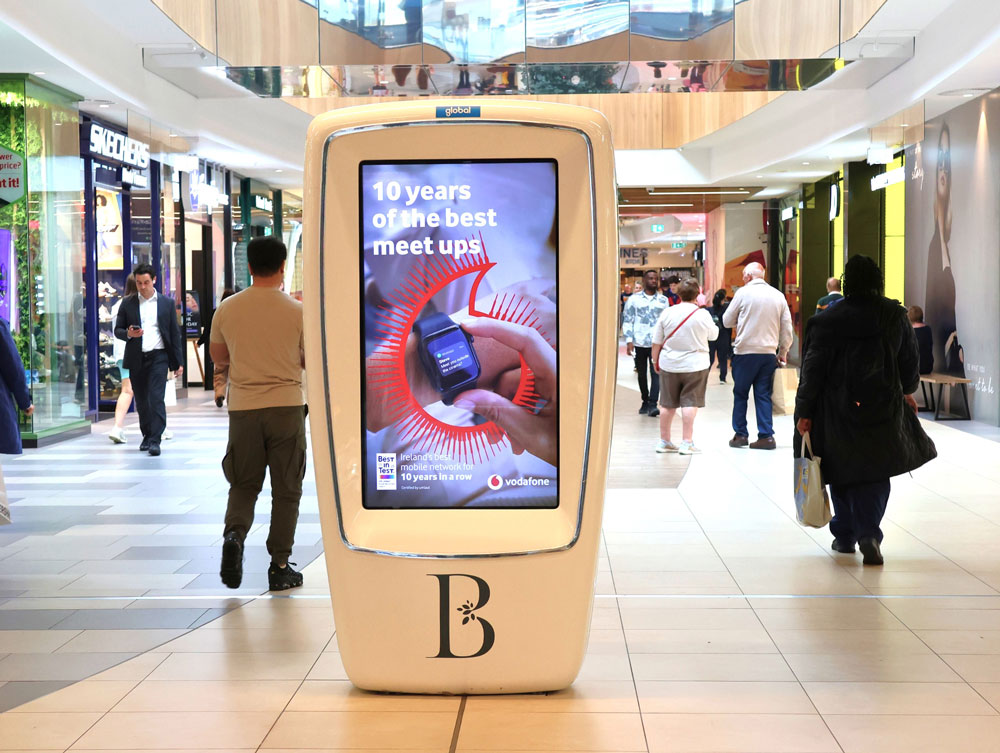
Nearly 7 in 10 Dubliners aged 16 to 54 visit a shopping centre at least once a week. Among 16-24s, that rises to 80%, with 83% of females in that group leading the pack. Young males are just behind at 79%. These visits aren’t quick in-and-outs either. Over 60% spend two hours or more during a typical visit, with that figure peaking at 75% among 25-34s. Four-hour visits are common enough among the youngest group, many of whom are spending time with friends, grabbing food or browsing multiple stores.
That kind of openness creates a different kind of opportunity for brands. In high-dwell settings, attention lingers. When the message is right for the moment, it has the space to land. But that only happens when planning reflects the mood of the environment. Creative needs to match the mindset. Static formats near entrances or food courts offer rhythm and familiarity. Digital panels can bring in motion, storytelling, or dynamic updates. Sequenced messaging across multiple formats can guide a shopper from passive interest to active intent, all within the same visit.
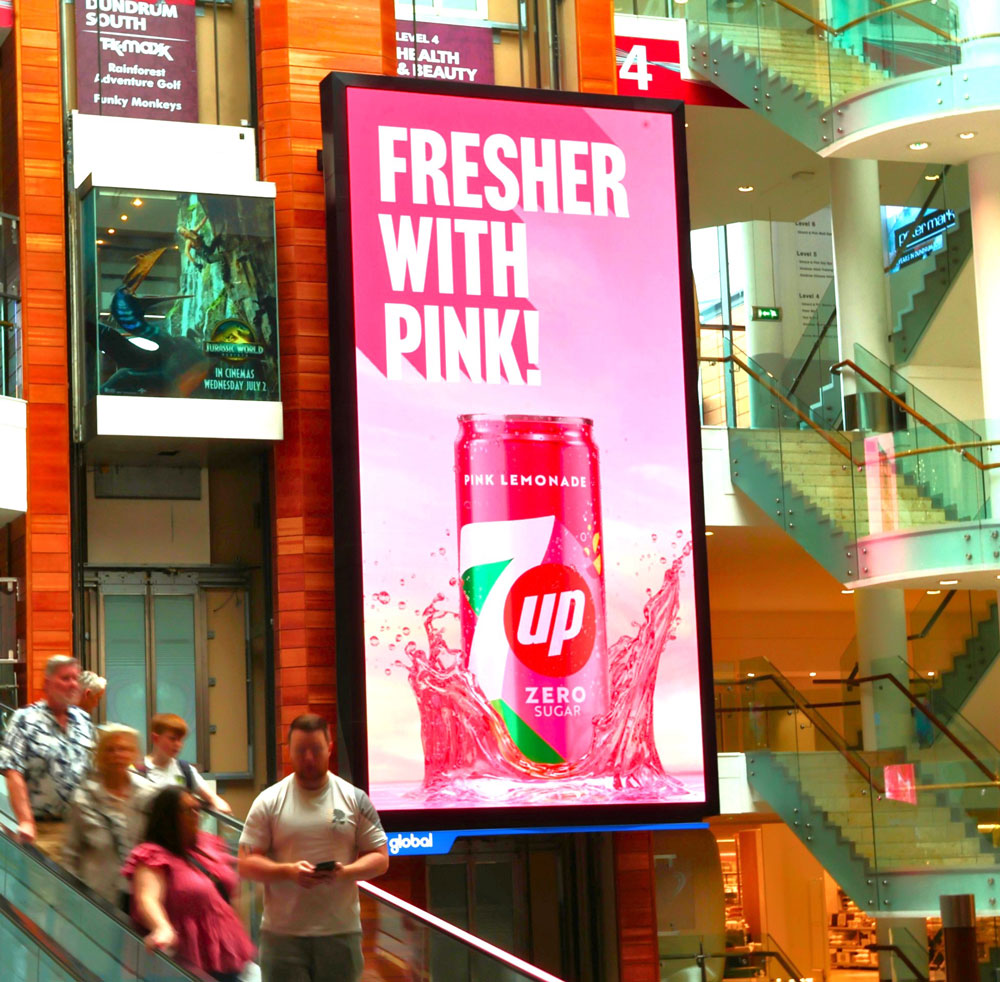
Engaging consumers at different touchpoints throughout the mall builds both coverage and frequency. A well-planned, multi-format approach combining static and digital panels across key zones creates layered visibility that works with how people move through the space. This kind of complementary planning delivers stronger outcomes, reinforcing awareness while nudging consideration and action in the same visit.
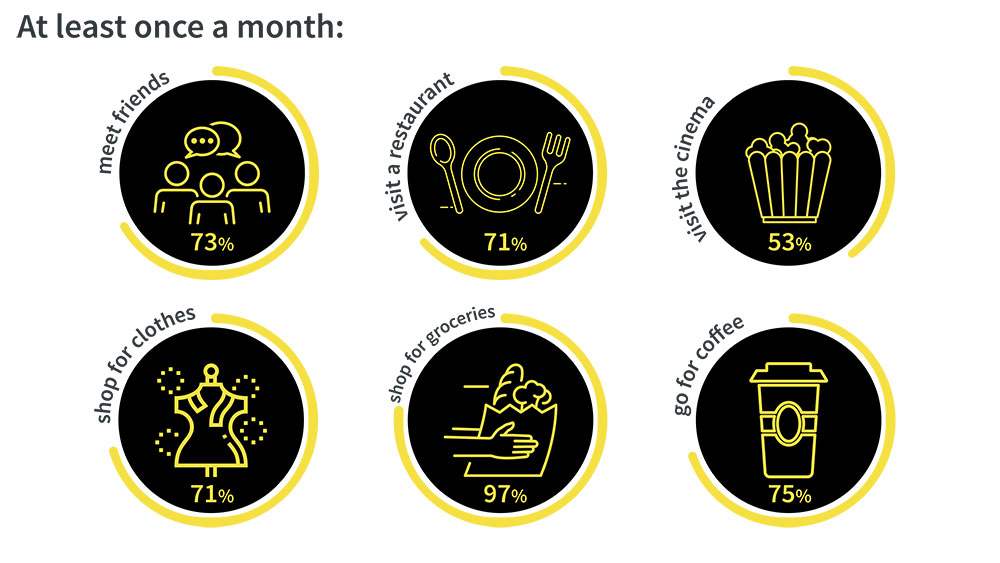
These centres are clearly playing multiple roles. Yes, people are shopping; 73% buy groceries at least once a week and 51% shop for clothes at least monthly. But they’re also meeting up with friends, having coffee, going for lunch or dinner, and sometimes heading to the cinema. Among all respondents, 49% meet friends weekly, 43% go for coffee and 41% dine out just as often. These behaviours are particularly common among the 25-34 age group, who tend to squeeze more social occasions into their week than most.
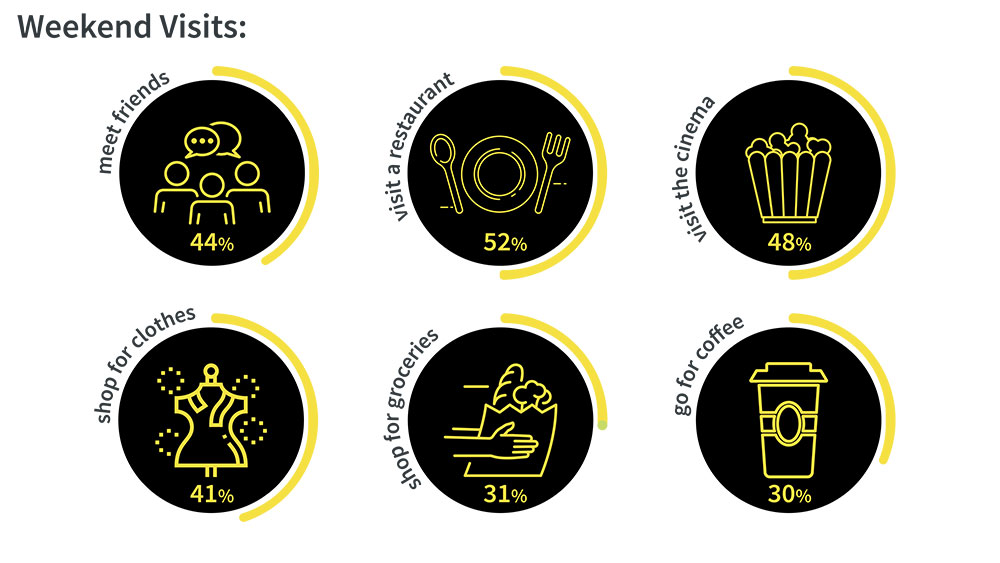
This blend of retail and recreation matters for advertisers. It creates an environment where people are not just present, they’re engaged. They’re spending time, making choices, and moving between mindsets. These are moments where brands can be part of the experience rather than just visible in the background.
It comes into sharper focus during seasonal moments like Back to School. Almost half of parents say they make school-related purchases in the final two weeks of summer. Mall-based OOH during this period reaches families while decisions are still being made. Whether it’s uniforms or cereal boxes, the timing and setting add weight to the message.
And while shopping centres are often viewed as brand-building territory, that’s only part of the story. A quarter of visitors say they buy something every time they go. That’s a result many channels would be proud of. It shows that malls matter not only because of who is there, but also because of how people feel when they are there.
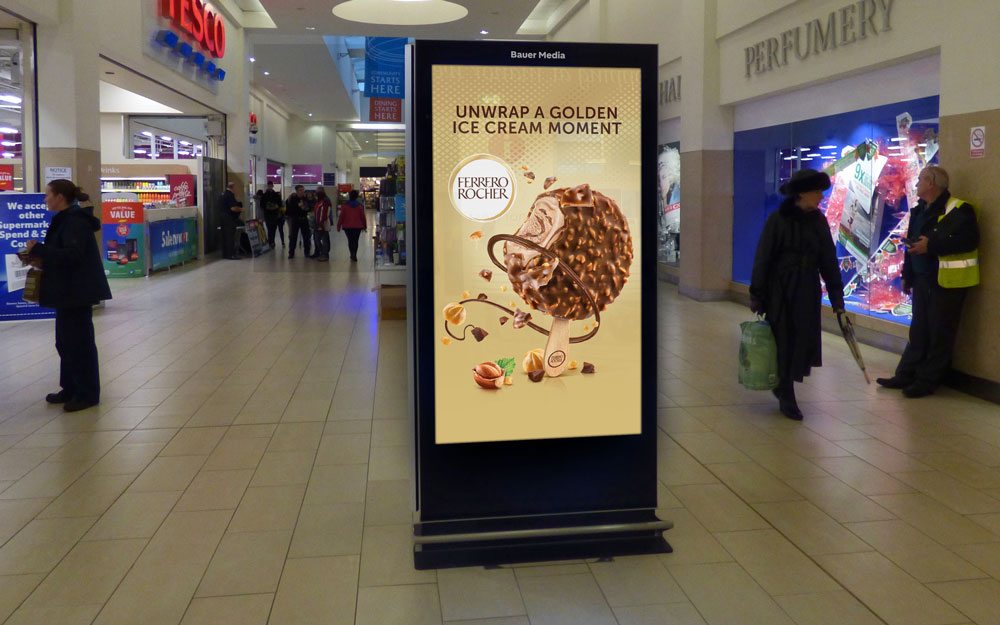
That’s where context becomes powerful. When you understand what people are doing, and when, they’re more likely to notice your message and act on it. Formats like dPods, Adshel Live Retail, iVisions and DX Screens provide this flexibility. They help brands speak to the moment whether that’s a lunchtime visit, a weekend catch-up, or a post-cinema bite.
The impact is measurable. The Moments of Truth study showed that brain response is 18% higher when people see DOOH content that’s tailored to what they’re doing. That leads to a 17% lift in spontaneous ad recall and a 16% boost in sales.
OOH works best when it reflects how people move, think and feel. The strongest campaigns don’t push the same message everywhere. They adjust to the setting. They understand the shopper’s mindset. They show up at the right time in the right way. And when they do, they don’t just get noticed. They get remembered.
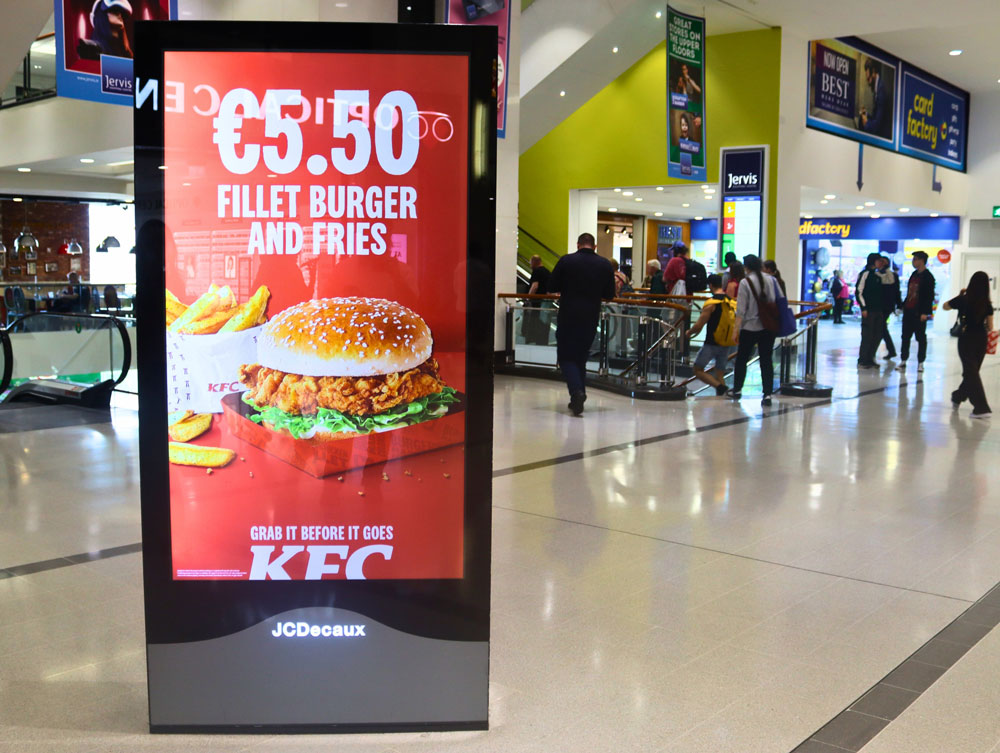
This series set out to look at Retail Out of Home through a wider lens. What we’ve seen is that its role isn’t limited to driving sales at the point of purchase. It starts earlier, builds relevance through context, and stays present throughout the shopper’s journey. Whether it’s building awareness before someone steps inside a store, showing up in the right moment with the right message, or tapping into everyday habits like coffee runs and weekend meet-ups, retail media gives brands real opportunities to connect. At its best, it works with how people move, think and feel. And that’s what makes it so valuable.
Orlagh Keane is Client Director for Source out of home, part of PML Group
A Win So Big, It Couldn’t Be Contained
When the number’s this big, one billboard just won’t do. Thankfully, Out of Home rarely plays small.
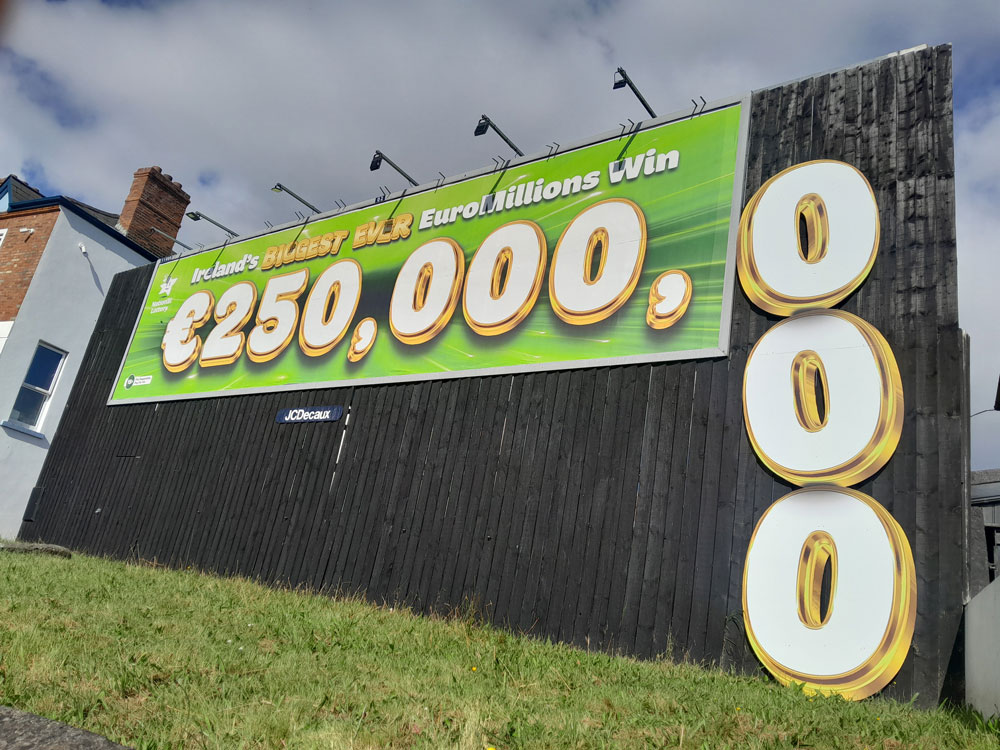
Fresh off Ireland’s biggest ever EuroMillions jackpot win, the National Lottery has marked the moment in spectacular OOH fashion. With a prize haul of €250,000,000, the recent Cork win wasn’t just record-breaking, it was billboard-breaking too.
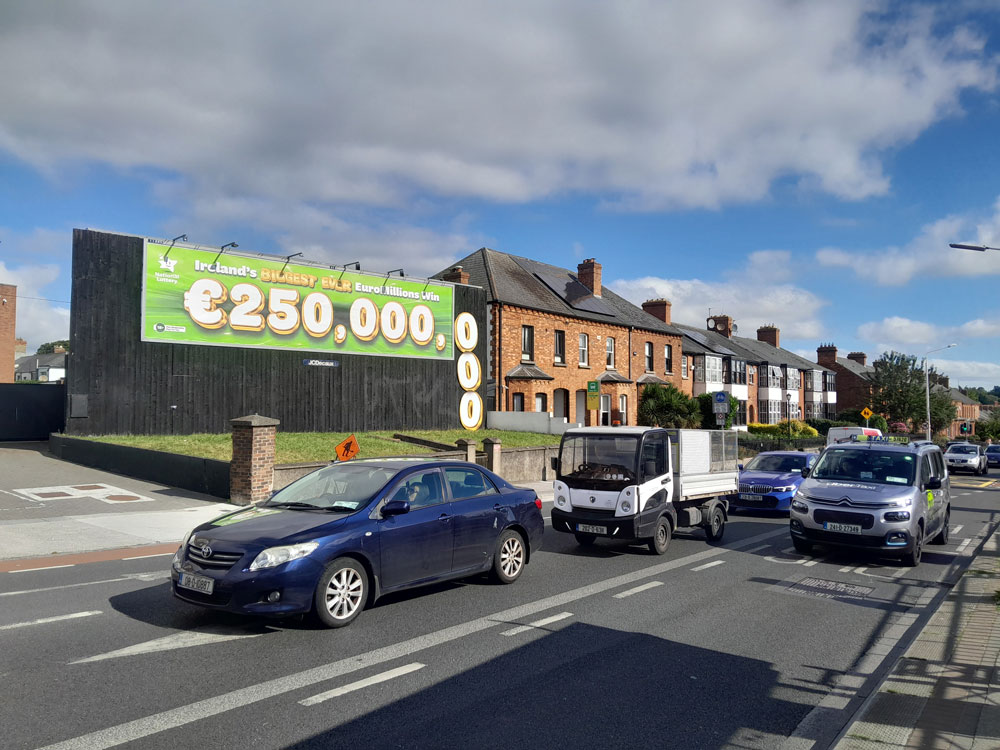
To celebrate the incredible milestone, Source out of home, working with Starcom, rolled out two standout specials on the JCDecaux network that dialled up the drama. In Dublin, the 96 Sheet on Botanic Road saw the jackpot amount quite literally spills out of the frame. Oversized numerals cascade down the side of the creative, capturing attention in a way that mirrors the scale of the win.
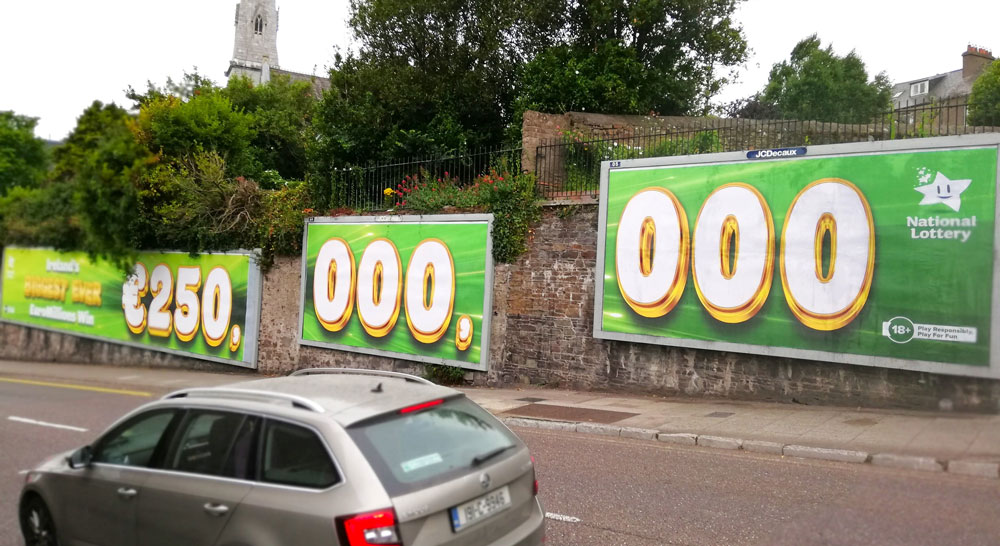
Further south, a unique display at Lower Glanmire Road in Cork features a trio of consecutive 48/96 Sheets working together to display the full €250 million figure in sequence (a media first across these formats) and a nod to where the golden ticket was sold at nearby Clifford’s Centra.
According to Louise Enright, Director at Source out of home, the campaign is a timely reminder of what OOH does best. “It’s a perfect use of the medium – visually arresting, geographically resonant, and a brilliant way to turn a news moment into a shared public experience.”
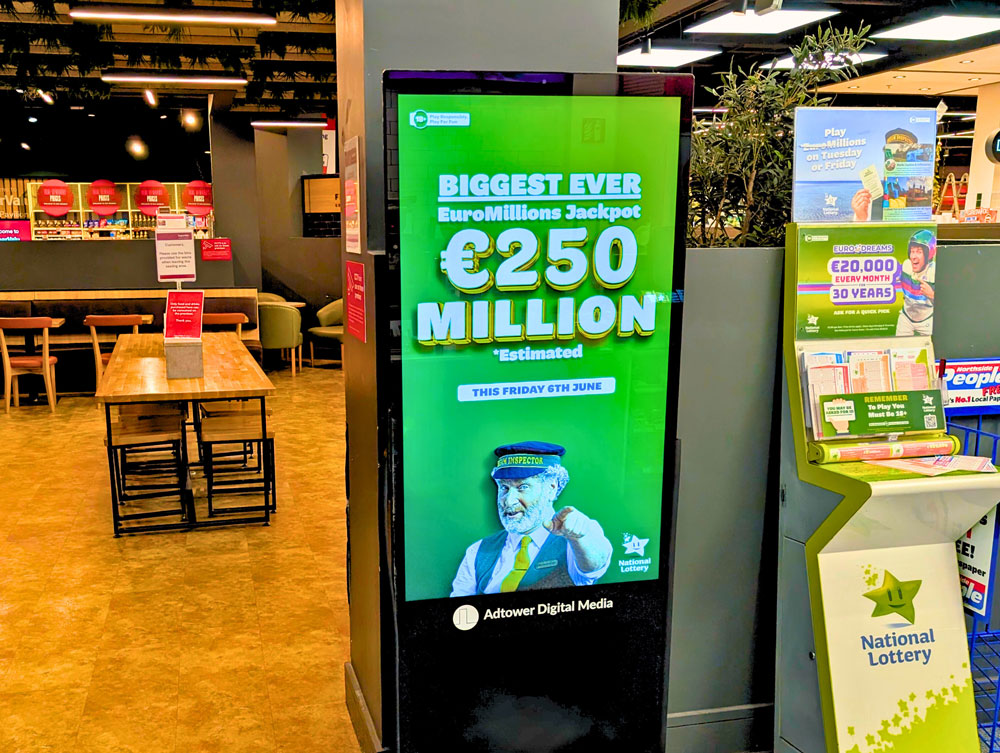
The activity builds on momentum created by the National Lottery in the weeks leading up to the jackpot, with prize-led messaging running across multiformat digital in commuter, retail and roadside environments. That steady drumbeat of visibility helped prime audiences for the eventual news and made the follow-up all the more impactful.
From an effectiveness standpoint, there’s no denying the power of innovation to drive results. According to PML Group’s IMPACT Attention study, standout creative formats such as specials and 3D builds significantly outperform standard OOH in attracting attention, enhancing recall, and driving positivity.