














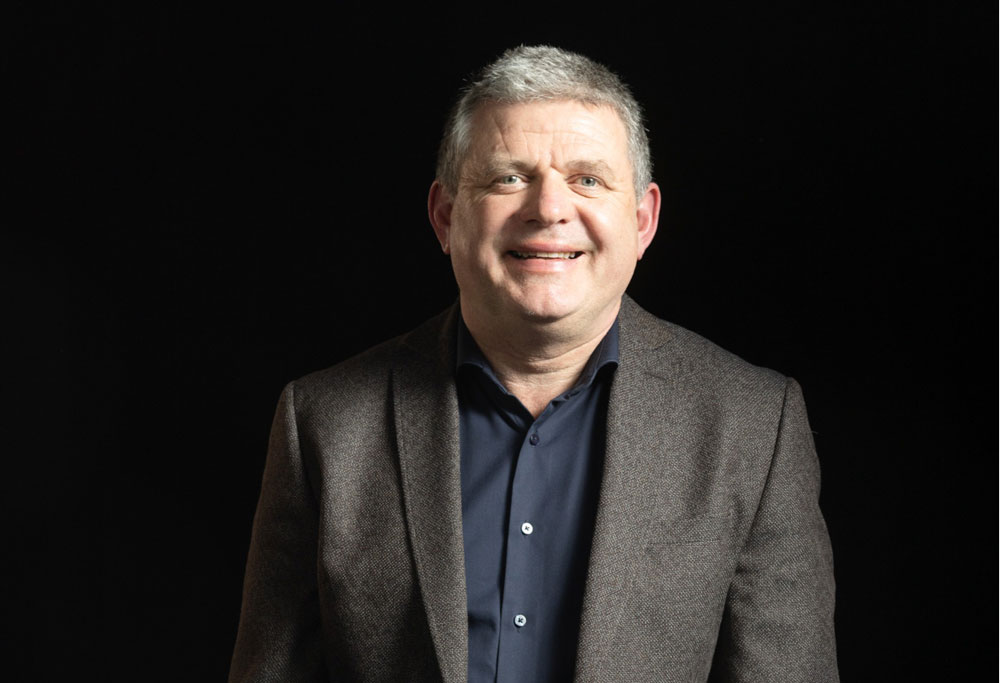
 This month marks an important milestone for the Irish audio sector as it celebrates the first radio broadcast 100 years ago. In the intervening period, the sector has gone from strength to strength and now offers a unique human connection, compelling creativity and technological innovation while at the same time delivering both scale and intimacy, writes Ciaran Cunningham, CEO of Radiocentre Ireland.
In a media world shaped by automation and fragmentation, audio’s enduring strength lies in its humanity. That ability to inform, entertain and connect ensures audio will continue to play a central role in everyday life and in effective communication in 2026 and the years ahead.
As Ireland looks ahead to 2026, audio stands as one of the most dynamic and future-ready parts of the media ecosystem. In a world of constant visual stimulation and competing digital demands, audio offers a distinctive combination of scale, intimacy and relevance — connecting with people in ways that fit naturally into everyday life.
2026 marks a significant milestone in Irish media history. 100 years ago, this month, Ireland heard its first public radio address, signalling the birth of Irish radio. One hundred years on, audio remains a central part of everyday life in Ireland — trusted, familiar and continually evolving. The century that followed has been defined by innovation, resilience and a deep cultural connection with audiences, foundations that continue to shape audio’s future.
Always on, everywhere
Audio in 2026 is defined by accessibility. It flows seamlessly across smartphones, smart speakers, connected cars, laptops and wearables, allowing people to listen when and where it suits them. This flexibility means audio integrates into daily routines rather than competing for attention.
Live listening, streaming and podcasts coexist and complement one another, each serving different needs and moments. The Radiocentre Ireland/Differentology study in 2023 showed that live radio and on-demand audio formats play complementary roles for listeners, with each platform dominating different need-states across the day – live radio connects people to the wider world, on-demand music is used primarily for mood management, and podcasts are chosen to learn and broaden horizons. Rather than fragmenting audiences, this blend expands opportunity — enabling audio to reach people at scale while remaining personal and contextually relevant.
Personalisation with shared experience
As digital environments become more personalised, audio occupies a distinctive space. People may listen individually, but they remain connected through shared voices, stories and cultural references. Audio combines personal relevance with collective experience.
Connected cars and smart speakers will continue to deepen this balance. By 2026, listeners will enjoy familiar content enhanced by subtle personalisation — such as contextual information, tailored music or more relevant advertising — without losing the shared moments that give audio its cultural strength.
Attention that works harder
As media choice expands, attention has become a more meaningful indicator of effectiveness than impressions alone. Research presented at Radiocentre Ireland’s Sounding Out 2025, conducted with Lumen Research and dentsu, provides new insight into how audio performs when measured through the lens of attention.
The findings show that Irish audio delivers particularly strong attention and memorability — around 35% above global norms — highlighting the strength of audio in earning meaningful engagement.
The research also demonstrates that audio represents an “attention bargain”, delivering a high volume of attentive seconds relative to cost compared with many other media channels. This makes audio especially effective when evaluated on value delivered, not just reach. Audio’s ability to convert listening into attention — and attention into memory — reinforces its role as a high-value, high-impact medium in a crowded media landscape.
Creativity as a growth engine
Sound remains a powerful storytelling medium — capable of conveying emotion, nuance and meaning with remarkable efficiency. Audio formats now span classic advertising, presenter-led reads, branded segments, sponsorships and podcasts, offering brands a broad creative palette.
As sound becomes more central to brand communication, the importance of a clear and distinctive sonic identity grows. Brands that invest in voice, tone and sound design are better positioned to build long-term memory and recognition in an increasingly competitive landscape.
AI supporting scale and craft
Artificial intelligence will play a growing role in audio in 2026, particularly in supporting production, translation and personalisation. These tools lower barriers to entry and make audio more accessible to a wider range of advertisers. At the same time, human creativity remains central. Voice, cultural understanding and emotional resonance will continue to drive engagement.
Smarter measurement
Measurement in audio will take a significant step forward in 2026, with innovation focused on delivering a more holistic view of listening. The JNLR remains a trusted currency, and the year ahead will see progress toward integrating broadcast and digital listening. The JNLR Committee plans to undertake a proof of concept that brings together traditional JNLR audience data and live streaming metrics in order to create a comprehensive view of broadcast radio listening, both FM and digital.
Alongside audience measurement, attribution capabilities will continue to strengthen. Digital audio increasingly supports pixel-based tracking, enabling advertisers to link ad exposure to actions such as website visits and conversions across devices. In parallel, broadcast attribution tools correlate spot airtime with real-world responses, providing clear evidence of actionable outcomes. Together, these approaches will allow advertisers in 2026 to connect reach, attention and outcomes more confidently than ever before.
Trust as a foundation for growth
Trust will continue to underpin audio’s relationship with audiences. Professionally produced audio operates within clear standards and regulated environments, reinforcing credibility and accountability. This trust enhances effectiveness. Messages delivered in trusted contexts are more likely to be engaged with, remembered and acted upon. Audio will also play an increasingly important role in supporting a balanced and sustainable media ecosystem. Its environments are brand-safe and accountable, offering advertisers confidence alongside effectiveness.
Strength lies in humanity
Audio in Ireland enters 2026 with strong foundations and clear opportunity. It combines technological progress with human connection, data with creativity, and scale with intimacy.
In a media world shaped by automation and fragmentation, audio’s enduring strength lies in its humanity. That ability to inform, entertain and connect ensures audio will continue to play a central role in everyday life and in effective communication in 2026 and the years ahead.