














 With summer almost upon us, Sean Foran, client manager, Talon Ireland offers some useful tips on how your brand should show up in the great outdoors this year.
If you know me, you’ll know I spend a lot of time looking at what plays out in numbers…
And I have news for you, summer hasn’t become “bigger” or “smaller”, it’s just behaving differently. The shift is timing: decisions are being made closer to the moment, influenced by a macro environment that keeps people flexible.
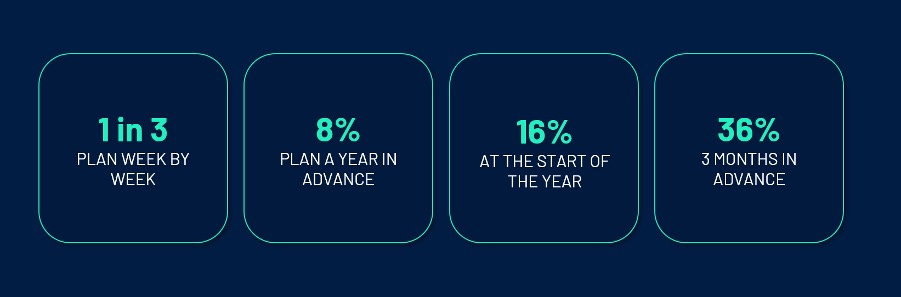
Before you get any ideas, this isn’t about people doing less. They’re still doing all the same things as last summer — more layered, less routed, less fixed routines. A day trip here, a staycation there, an event at the weekend, something social midweek, it all starts to stack up.
That shift has a knock-on effect for how brands need to show up. At Talon, we’ve looked at this shifting behaviour through the lens of OOH’s ACES – Audience, Creative, Effective, Sustainable – and what each of those mean for how your brand shows up over the coming months.
A – Audience: Planning by Behaviour, not Demographics
If that’s how summer is built, it changes how we need to think about audiences too.
Because if summer decisions are being made closer to the moment, the audience isn’t any less reachable, but it is less predictable on paper. We’ve spent years getting very good at understanding who people are, but in summer, that only gets us so far. What actually makes the difference is understanding how they behave.
Summer activity is built through smaller, more frequent moments, and movement tends to stretch across more places, more times of day, and less routine journeys. People are actively looking forward to the freedom to do more and spending more time out of home.
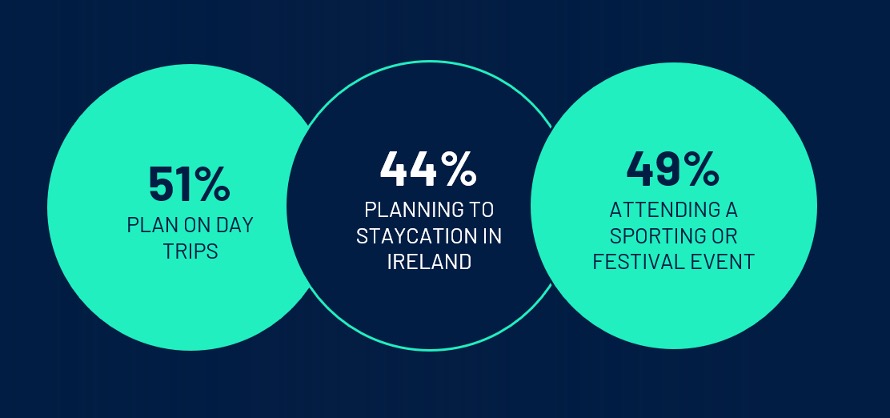
Rather than just thinking about “good locations”, we can start to look at where specific behaviours over-index, and when those audiences are most active. That’s where tools like Atlas come in.
Planning tip: Stop leading with “who” and start leading with “what they’re doing.” Build summer plans around behavioural audiences (staycationers, day-trippers, event-goers) and use behavioural inputs (place + time + context) to decide weighting and sequencing.
C – Creative: In Fragmented Moments, Simplicity and Context do the Heavy Lifting
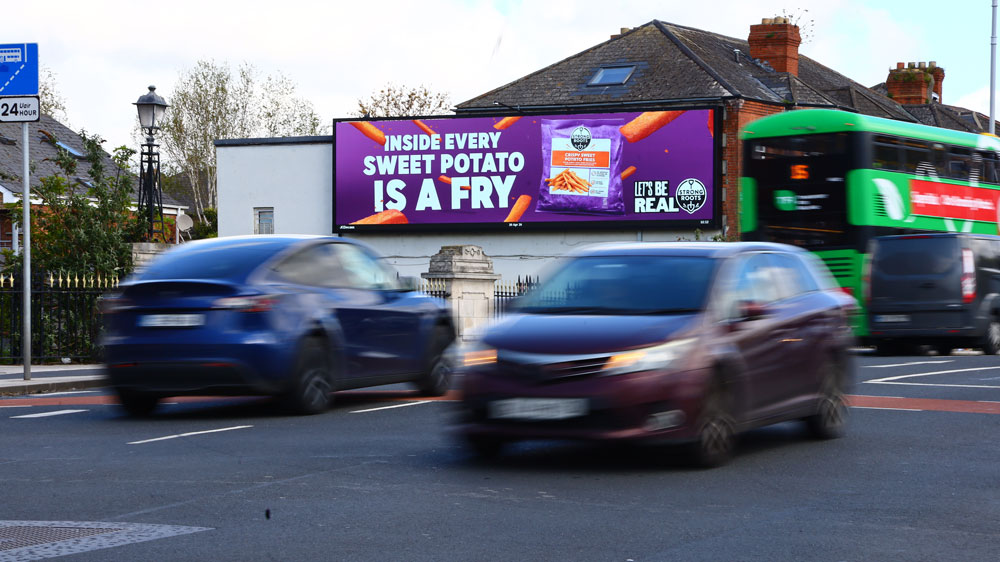
And once you see how people are moving, the next bit becomes pretty obvious. If summer is made up of many smaller moments, attention doesn’t necessarily disappear, it fragments. In other words, people are seeing more, but in shorter bursts.
And we know two things consistently win in OOH when attention is fragmented:
Simplicity first. The evidence is direct: fewer creative features drive stronger attention, and fewer than seven words improves two-second brand recognition.
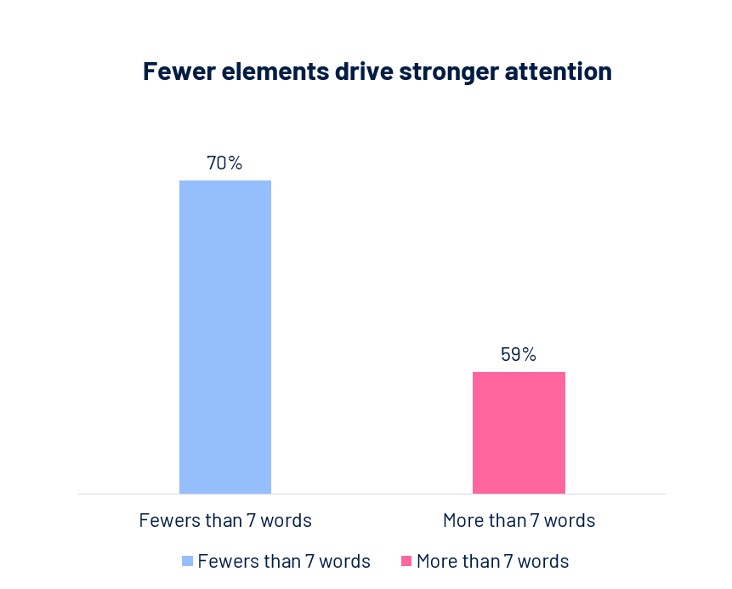
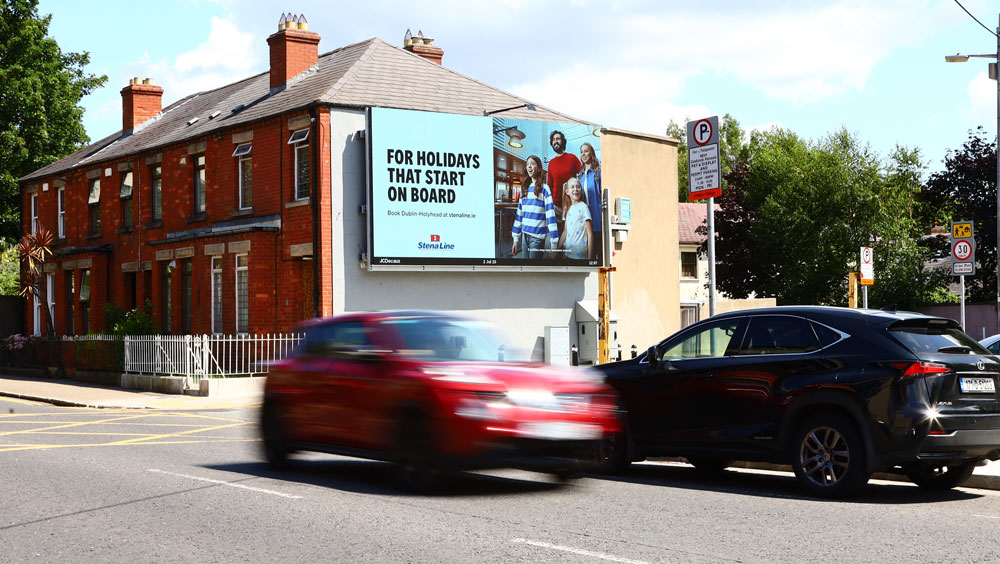
Then context matters. When a piece of creative reflects the moment, for example; where people are, what they’re doing, what’s happening around, it lands faster.
Planning tip: Treat creative like a performance variable, not an asset. Keep the message simple, brand cues unmistakable, and build versions that can flex by context (time/day/weather/event proximity). Use Trax pre-testing to remove guesswork before money hits the street.
E – Effective: OOH Builds Impact across the day and Amplifies the Media Mix
And if that’s how creative now needs to work, it naturally changes how effectiveness is built too. Because if attention is happening in shorter bursts across more moments, impact isn’t coming from a single point anymore, instead its built across real-world environments repeatedly throughout the summer.
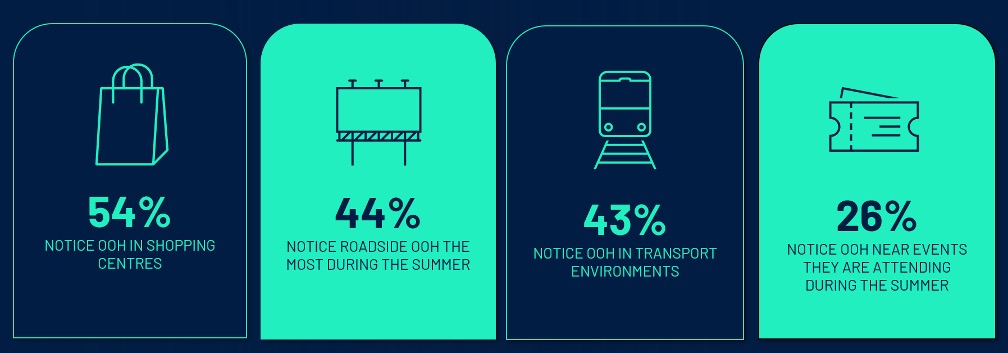
But remember, OOH doesn’t just deliver on its own, instead it strengthens the wider media mix. IPA Databank analysis shows stronger business effects when OOH is used alongside other channels, including uplift when paired with TV.
Planning tip: Plan summer for presence across the day, not just peaks. Use multi-format OOH to build repeated exposure across routes, then layer other media to reinforce in-home and evening moments. Think continuity across the mix, not performance in silos.
S – Sustainable: Behaviour & Expectation are Aligning
And the same shift in behaviour is playing out in sustainability too.
More local movement, more time out of home, staycations, longer evenings: these behaviours naturally reduce impact. Consumers increasingly expect brands to do more, and brands that show up responsibly can meet that expectation while staying visible and effective throughout the season.
People underestimate OOH’s position in sustainability when in reality, OOH emits less carbon per impression than any other measured media.
Planning tip: Build sustainability through behaviour. Utilise channels that deliver efficient, real-world reach at scale.
This summer the old playbook (fixed peaks, fixed audiences, fixed creative) is out.
Brands that win will be the ones that:
- plan against behaviour, not demographic (Audience)
- build creative that lands fast and fits the moment (Creative)
- accumulate impact across the day and amplify the mix (Effective)
- and align with how summer is being lived, responsibly (Sustainable).