














 Big is slow. Slow is dying and the holding companies are finally figuring this out about a decade too late, writes James Dunne.
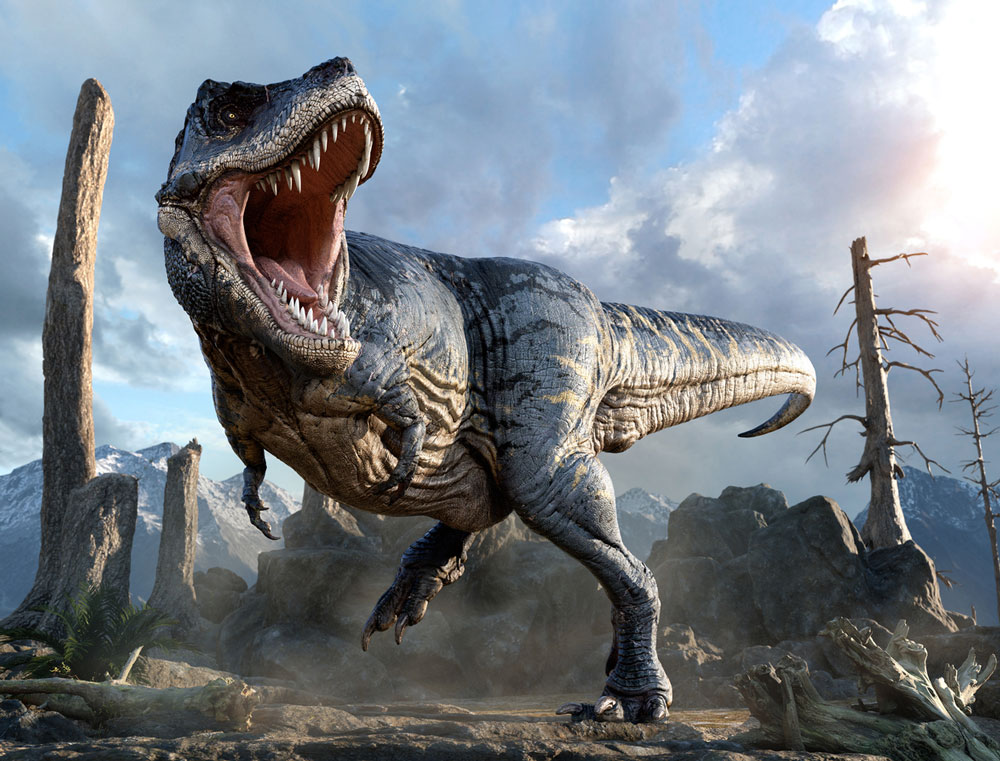
When dinosaurs start merging with other dinosaurs, it’s not because they’re getting stronger. It’s because they’re terrified and need a support group. Omnicom buying IPG? WPP consolidating everything that moves? All this M&A activity signals panic dressed up as strategy.
Numbers Don’t Lie
At one of the ‘big ones’ headcount dropped 14.6% between 2016 and 2023. Sales were down 5.3%. Another has only grown revenue at 1.6% annually over the past 15 years—well below GDP growth. Three of the Big Six are essentially flat or shrinking.
This isn’t just a ‘bad couple of quarters’. This is structural collapse playing out in the slowest of slow motions
Meanwhile, 64% of brands now deploy some version of in-house creative services. Seventy percent handle programmatic strategy themselves. Many clients have looked at the holding company model and said, “Yeah… pass.”
The Indie Resurgence isn’t Hype. Well, it is, but…
While big networks rearrange deck chairs, 86% of indie agencies expect growth in 2025. 90% are collaborating with other agencies for global growth. Over half are sourcing new business from partnerships.
They’re forming networks and alliances—reversing the holding company model where the network owns the agencies. Now the agencies own the network. Worldwide Partners reports agencies applying to join collaborative networks in record numbers, pooling resources and capabilities without losing independence. It’s federation, not acquisition. Cooperation, not consolidation.
Private equity has sat up and noticed this. PE firms are backing indies to create something genuinely innovative, providing capital without imposing holding company bureaucracy. The dynamics of ownership have fundamentally changed. What used to be a clean divide between publicly-held giants and sole proprietors is now a richer constellation of PE-backed networks, specialist collectives, and hybrid models that blur traditional categories. That’s good for talent. That’s good for creativity. That’s great for clients.
Big Means, Ugh, Big
I hear this counter-argument, a lot – “but holding companies have scale! Resources! Global reach!”
Sure. That works brilliantly. In 1999. The networks also have seven layers of approval, conflicting P&Ls across silos, politics that would make Machiavelli blush, and management teams optimizing for all the wrong metrics (shareholder value?) – all whilst getting excited about drinking Rose at the Google beach party in Cannes, oblivious to the irony of it all.
The holding companies were designed for an era when making stuff required infrastructure.
That era is over.
The AI Multiplier
AI is doing to agency economics what digital did to ‘advertising’. Only faster.
Smaller organisations can now produce variations at serious speed and scale. Automate media optimization. Another indie, Jellyfish cut campaign launch times by 65%. M&S got 80% faster delivery at 30% cost reduction through indie engagement.
Think about it: a 20-person indie with smart AI integration can deliver what a 200-person team used to. At a fraction of the cost.
Of course, the holding companies will adapt—acquire AI companies, launch “AI studios,” put out press releases. But they can’t solve the fundamental problem: their business model was built for a different time and a different game. It’s just too big.
Don’t Dabble. Adapt.
Highdive -an indie you’ve probably never heard of -delivered State Farm’s first-ever #1 Super Bowl campaign last year. Beat every holding company shop on the biggest stage in advertising.
That’s not an outlier. That’s the new reality. Because there’s another vital factor shaping where talent wants to work: indie culture. Talent is attracted to innovation.
Here’s what I’ve learned after watching digital disrupt this industry: the future doesn’t belong to the biggest players. It belongs to the fastest. The most adaptive. And the imperfect.
We’re heading toward a fragmented, specialized agency ecosystem. Leaner shops that network when needed. Indies that use technology as a force multiplier. Better workflows that flow out better work.
The holding companies will still be here in 2030. They’re too big to fail that fast. But their relevance? Their margins? Their ability to command premium rates? Grab a cocktail, because that sun is setting.
If you run an indie, this could very well be your moment. Grasp AI. Build partnerships. Pitch well above your weight class.
If you’re a brand? Big remains safe. But safe could be the riskiest choice you can make right now.
That’s because big isn’t better. It’s just bigger.
James Dunne is co-owner of the strategic indie, Hyphen.