















 Digital audio continues to strengthen its position in Ireland, reaching 76% of adults weekly – equivalent to more than 3m people- with near-universal engagement among 16- to 34-year-olds at 96%, according to new research from IAB Ireland and RED C.
Details of the findings are contained in the latest “Listen Up Ireland 2026: Irish Research into Digital Audio Consumption & Behaviour” which is published annually by IAB Ireland and RED C Research.
The survey was conducted online with a nationally representative sample of 1,032 adults aged 16+ using RED C’s online panel, RED C Live. Previous iterations of the research focused on people who were 18+. Now in its seventh year, the research was conducted between March 5th and March 15th.
The latest IAB Ireland/RED C research shows that time spent listening to digital audio has increased 7% year on year to 12.6 hours per week, putting digital audio on a par with live TV and making it one of the most dominant media channels in terms of attention. Among listeners, consumption rises to 16.6 hours weekly, driven largely by younger audiences.
For advertisers, the findings point to a medium delivering both scale and incremental reach. Digital audio extends total audio reach to 92% when combined with FM radio, adding a further 12% audience that traditional broadcast alone does not capture, according to the research.
A key driver has been podcasting which continues to emerge as a high-engagement environment. Three-quarters (76%) of listeners consume podcasts alone, reinforcing their immersive and personal nature, while 39% say they prefer video versions when available. Discovery is driven primarily by social media (49%) and word-of-mouth recommendations (41%), underlining the role of shareable content in audience growth.
Critically, podcasts are proving increasingly effective for brands. Nearly one in five listeners (19%) say they have taken action or felt compelled to act after hearing a podcast ad, rising to 30% among 16- to 34-year-olds. Despite a slight softening in willingness to hear ads, overall effectiveness is improving, with digital audio now ranking second only to cinema for claimed attention to advertising across all media.
Within digital audio, podcasts deliver the highest levels of ad attention, while online radio leads on trust, with levels comparable to traditional FM. Overall, digital audio advertising combines strong attention, credibility and growing behavioural impact, positioning it as an increasingly central channel in media planning.
The report also highlights the continued dominance of music streaming within digital audio. On-demand music remains the leading format, accounting for the largest share of weekly consumption (10% of total media time) and driving overall listening growth. Around three in 10 digital audio users expect to increase their listening to online music over the next 12 months, the highest of any audio format.
The report concludes that digital audio is no longer a supplementary medium but a core component of the modern media mix, offering advertisers a rare combination of reach, engagement and effectiveness, particularly among younger, commercially valuable audiences.
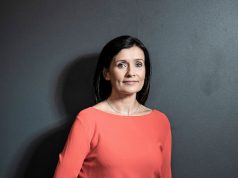
Commenting on the findings, Maeve O’Meara, programme director, IAB Ireland said ‘Digital Audio is now a core pillar of effective media plans, combining scale, attention, trust and measurable impact. With strong reach, increasing time spent, and proven advertising effectiveness, digital audio offers brands in Ireland a powerful way to connect with audiences.’
“The study highlights how digital audio seamlessly integrates into daily life, accompanying consumers across a wide range of moments, from commuting and working to exercising and relaxing. Smartphones remain the dominant access point, used by 75% of listeners, reinforcing the channel’s always on, on the go nature.,” added Gavin Costello, research project manager, RED C Research.