













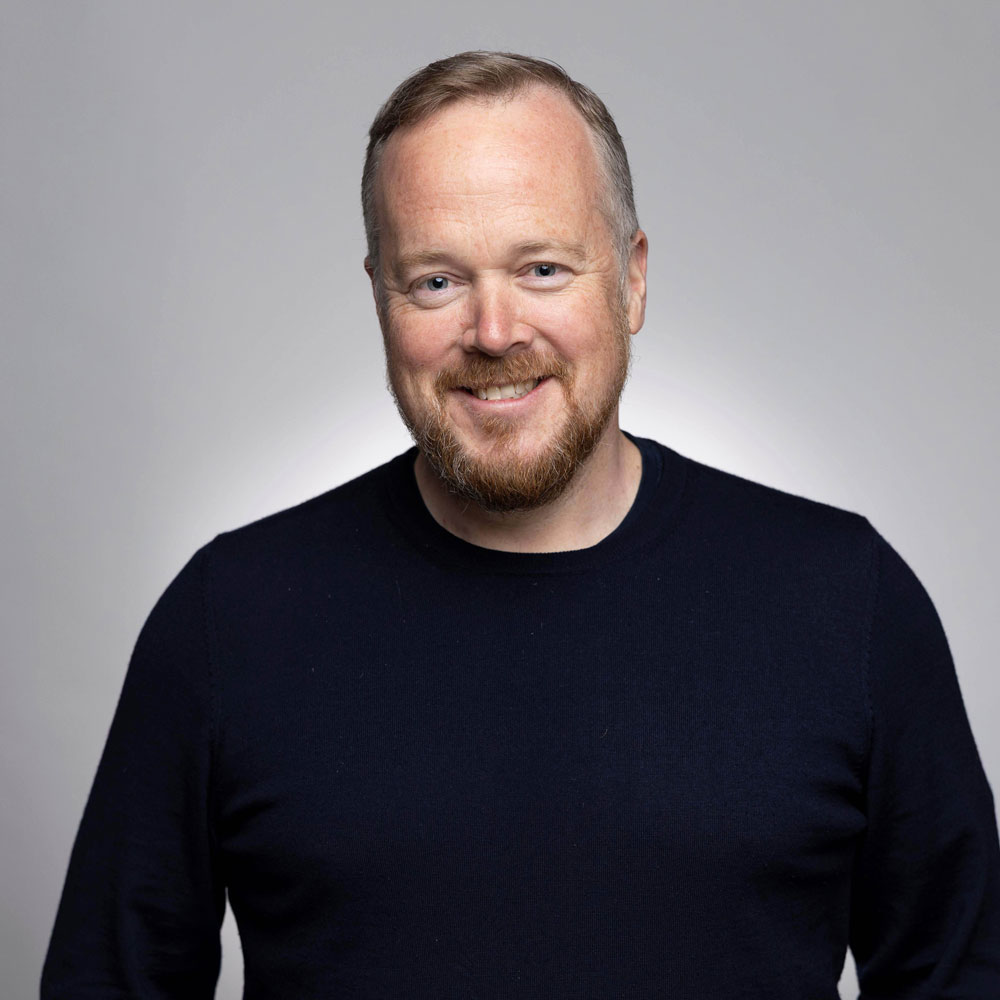
 Marketing as a Service is the operating model shift Irish CMOs cannot ignore, writes Graham Kinsella, Director, Marketing Transformation, Deloitte Digital and Acne, Ireland.
Marketers in Ireland have very high standards. We agonise over the brief, argue over the creative, optimise the media plan, cleanse the data and build the dashboards. Every component of the work gets craft, rigour and scrutiny.
We then connect those components together with an operating model from 2005, and wonder why the output never quite adds up.
Marketing is the only senior function in the modern business that demands precision in every part of itself except how the function is built. That mismatch is the most expensive problem in our industry, and it is also the most ignored.
The result is the feeling every CMO recognises. Most of what we produce is noise. Volume, frequency, reach. Output that breaks through for a moment and then disappears. What we actually want is music. Music has structure, rhythm and something that builds, and it does not come from harder briefs or more rigorous components. It comes from a different operating system.
The behaviour gap is already breaking the model
There is a structural reason for the noise. A typical marketing function in Ireland is held together by a patchwork of suppliers: a creative agency on retainer, a media agency, a digital agency, a martech vendor running platforms, sometimes more. Each one bills hours, each one optimises its slice, none of them carries the whole.
That is the behaviour gap. The distance between what brands say they will do for customers and what their systems actually deliver. It is also why, when a campaign underperforms, the post mortem becomes a circular firing squad. Media blames creative. Creative blames strategy. Strategy blames data. The CMO is left defending a model in which accountability is structurally diffused, which is part of the reason CMO tenure remains the shortest in the C-suite.
And the model is already breaking under its own weight. Gartner’s 2025 CMO Spend Survey shows agency, martech and labour all declining as a share of marketing budget, with roughly four in ten CMOs planning further cuts to both agencies and headcount. The old model is being unwound in real time. What is missing is a coherent new one to replace it.
There is a different way to run this
Almost every category of value in modern life has already moved to a subscription, from music and software to broadband, the gym and the car insurance. Marketing has been one of the last things still bought piece by piece, project by project, with each one starting from a kick off and ending with a team that scatters.
The shift now starting to happen, slowly and quietly inside some of Ireland’s most ambitious organisations, is to a different commercial logic. It is called Marketing as a Service. The client buys a monthly outcome rather than a list of deliverables. That monthly number buys a fully operational marketing function: strategy, creative, technology, data, measurement and optimisation, all running continuously and getting better every month.
What it looks like in practice
We have been running this model in Ireland for an established financial services brand. What started as a Salesforce Marketing Cloud build became continuous customer marketing operations, and then evolved again. The same team is now creating the campaigns, the content and the creative assets that flow through the platform they originally built. Strategy, technology, data, creative and production all work as one embedded service against shared commercial outcomes.
Deloitte Digital and Acne provide the service together, and the shape of the service changes as the client’s needs change. New product, new market, new channel: the team flexes, and outcomes stay central.
Two years in, no one is asking whether to break the work back out across separate agencies. Campaign cycles are faster, personalisation is real rather than performative, cost per acquired customer trends quietly down each quarter, and the team gets smarter about the brand every month instead of starting from zero on each statement of work.
Two routes into the same destination
Two routes are opening into Marketing as a Service in Ireland, and both are accelerating.
The first runs through established CMOs evolving an existing function. They have brand equity, customer history and a team to bring with them. The transformation is harder because there is more to bring through, but the prize is correspondingly bigger. The model fits especially well where the customer relationship is continuous: financial services, telecoms, healthcare, subscription, energy, any brand whose product is a long term relationship rather than a single transaction.
The second runs through founders of the next wave of disruptive Irish companies in fintech, climate, health and AI. These are companies with product, momentum and capital that have not yet built a marketing department and have no intention of building the old kind. They grew up on subscriptions and want a function they can plug in and run. The established brands will quietly raise the bar. The new ones will quietly set it.
What changes for the CMO
Two things change at the same time, and they reinforce each other.
The first is that AI finally finds a home that lets it compound. Every CMO is being asked the same question right now: what is your AI plan? AI lives badly inside a fragmented model, where each agency bolts a generative tool onto its own slice and the data signals never reach each other. AI lives brilliantly inside a continuous service, with one decisioning layer, one content system, one customer data spine and one always-on optimisation loop. The brands moving to this model now are also the ones quietly pulling ahead on AI.
The second is that the CMO role gets bigger, not smaller. The new CMO is less the maker of campaigns and more the orchestrator of a continuous function. They set the strategy, govern the data, the AI, the brand and the customer experience, hold the performance scoreboard, and make the commercial case to the board. The commercial framing changes too. When marketing runs as a service, it stops looking like a recurring cost decision and starts looking like a managed investment, the same logic finance applies to cloud or any other operational infrastructure. Investments do not get cut every time the budget tightens. Cost lines do. That is one of the quieter ways this model fixes the CMO tenure problem we opened with.
The provocation, and the prize
So here is the provocation. The thing most likely to be cancelled in your business this year is not your campaign budget. It is the assumption that your current operating model is fit for purpose.
The good news is that everything required to make the shift already exists. We have the talent, the technology and a commercial model proven across every adjacent industry. What we have lacked is the courage to stop buying marketing the old way and start running it as a function.
The first generation of Irish marketers to make that move will spend less time defending budget and more time growing brands. They will have teams that get smarter every month rather than starting from zero on each campaign. They will have a marketing function that finally plays music instead of
making noise. And in the process, they will quietly rebuild the role of the CMO into something the next generation actually wants to do.
If your operating model is on the agenda for 2027, this is the conversation worth having now. Deloitte Digital and Acne in Ireland are working with a small number of brands on exactly this shift today. If you would like to see what one of these models looks like up close, get in touch.
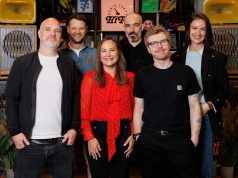
Graham Kinsella is Director, Marketing Transformation at Deloitte Digital and Acne, Ireland. He leads MarTech, Marketing as a Service and modern marketing operating model engagements across financial services, public sector and high growth Irish enterprises.