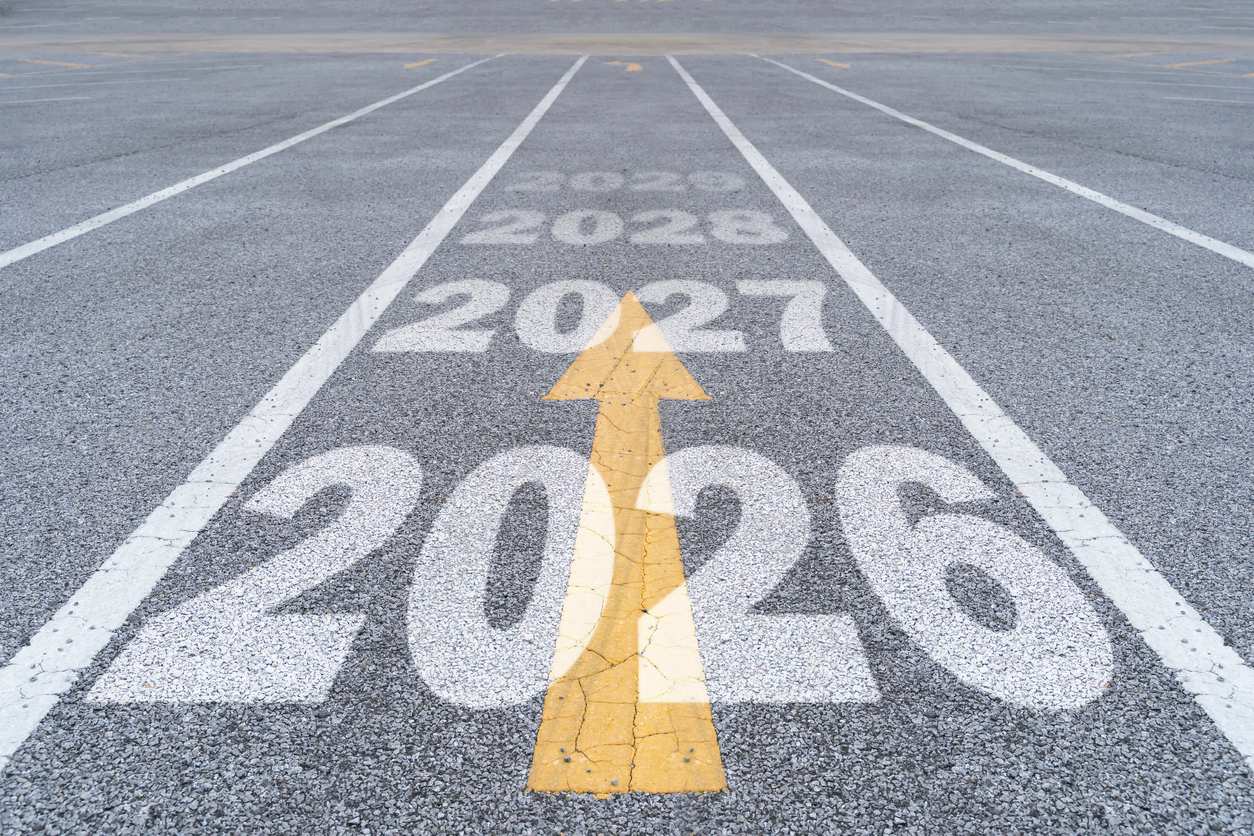
Irish consumers are undergoing a fundamental shift in mindset and behaviour, moving into what Ipsos B&A researchers describe as an era of “resigned resilience,” while artificial intelligence is already reshaping how people make decisions.
The Ipsos B&A research, “A Sign of the Times 2026”, highlights a population no longer reacting with shock to global instability but instead adapting pragmatically after years of overlapping crises, from financial pressures to geopolitical uncertainty.
Big Changes
Luke Reaper, CEO of Ipsos B&A Ireland, said the changes go beyond incremental shifts.
“As we release the Ipsos B&A Sign of the Times 2026 report, I find myself reflecting on the profound shifts we’re witnessing in Irish consumer behaviour… we are not merely tracking incremental changes anymore. We are documenting a fundamental rewiring of how Irish consumers think, feel, and act,” he said.
The latest research found that 74% of Irish adults expect the global economy to worsen over the next 12 months, up from 64% two years ago. However, rather than panic, consumers are adopting coping mechanisms centred on maintaining normality and protecting emotional wellbeing.
Researchers noted that people are increasingly creating “bubbles of normalcy” in their daily lives, focusing on small pleasures such as food, family and social connection as a form of self-preservation.
At the same time, financial strain remains significant, with one in five people struggling to get by, rising to one in four among blue-collar workers, while 31% would be unable to cover an unexpected €1,000 expense.
Alongside this resilience, the Ipsos B&A research identifies a cultural shift towards renewed Irish identity. Interest in Irish language and culture is growing, with increased participation in national pastimes and online engagement with Irish-language content.
The research also highlights changing geopolitical attitudes. While Ireland remains economically tied to the United States, only 35% of consumers believe it should be prioritised for international alliances, compared with 76% favouring the European Union.
Ipsos B&A said this tension between economic dependence and shifting values is shaping how consumers perceive global brands and cultural influence.
The AI Shift
The report also examines the rapid integration of artificial intelligence into everyday life. More than half (51%) of AI users are already using it as an alternative to traditional search engines, while 46% use it for learning and research.
Niall Brennan, account director at Ipsos B&A, said this marks a structural change in how consumers interact with brands.
“What we are witnessing here is the consumer journey and decision-making process being rewritten in real time. The shift from ‘searching’ to ‘asking’ changes everything in terms of how customers will interact with brands,” he said.
The move towards conversational AI is expected to reduce the importance of traditional search optimisation, replacing it with what the report describes as “AI engine optimisation,” where brands must ensure they are clearly understood by AI systems.
However, the growing presence of AI is also creating anxiety. The Ipsos B&A research found that 61% of respondents believe it will become harder to achieve mastery in their field due to AI.
At the same time, consumers are placing greater value on human effort and authenticity. While AI is accepted in areas such as healthcare or product recommendations, 73% of people consider AI-generated art or music less meaningful than human-created work.
Brennan said brands will need to strike a balance between efficiency and emotional engagement.
“AI can strip friction out of customer experience entirely – but that’s not always the goal. Friction signals effort, and effort signals value. The smartest brands will use AI for speed where speed matters, then deliberately slow down at the emotional touchpoints. It’s not about choosing between efficiency and humanity – it’s about choreographing both,” he said.
Trust Matters
Trust is also becoming more fragile. Less than half of Irish adults (48%) are confident they can identify AI-generated images, contributing to growing scepticism about information sources.
As a result, consumers are increasingly relying on close networks such as friends, family and trusted online communities, rather than traditional media or large influencers, according to the Ipsos B&A research.
The research also highlights rising pressure among younger consumers to optimise all aspects of life. Around 67% of Gen Z respondents report feeling pressure to maximize productivity, wellbeing and personal achievement simultaneously.
Ipsos B&A said this has led to a “performance culture” where even leisure activities and self-care routines are subject to pressure and comparison, often amplified by social media.
Meanwhile, structural issues such as the housing crisis are continuing to reshape life stages, according to Ipsos B&A, with more adults living at home for longer and delaying traditional milestones such as home ownership and starting a family.
Overall, however, the research concludes that the old way of doing things, particularly for brands, may no longer be good enough, and Reaper emphasises that businesses must adapt quickly to these shifts in behaviour and mindset.
“For businesses, the message is clear: the old playbooks won’t work as effectively. You need to be lighter, more transparent, more human, and more precise than ever before. You need to understand not just what consumers are doing, but how they’re feeling and why they’re adapting,” he said.
He added that while the environment is complex, it presents opportunities for brands that respond authentically.
“The future isn’t what we expected. But for brands and organisations willing to listen, learn, and genuinely engage with these shifts, it’s full of possibilities,” he said.
This website uses cookies to improve your experience. We'll assume you're ok with this, but you can opt-out if you wish.AcceptMore Info
Privacy & Cookies Policy
Privacy Overview
This website uses cookies to improve your experience while you navigate through the website. Out of these cookies, the cookies that are categorized as necessary are stored on your browser as they are essential for the working of basic functionalities of the website. We also use third-party cookies that help us analyze and understand how you use this website. These cookies will be stored in your browser only with your consent. You also have the option to opt-out of these cookies. But opting out of some of these cookies may have an effect on your browsing experience.
Necessary cookies are absolutely essential for the website to function properly. This category only includes cookies that ensures basic functionalities and security features of the website. These cookies do not store any personal information.
Any cookies that may not be particularly necessary for the website to function and is used specifically to collect user personal data via analytics, ads, other embedded contents are termed as non-necessary cookies. It is mandatory to procure user consent prior to running these cookies on your website.