














 As September approaches, Irish consumers are returning to routine with a more deliberate mindset, prioritising value, planning and considered spending. Susan Murtagh, Business Director at Talon Ireland, looks at what this shift means for brands and why OOH is well placed to influence consumers along the path to purchase.
September has always carried a certain weight. It’s not the beginning of the year, but in many households, workplaces and communities, it can feel like one. The summer gives way to schoolbags in hallways, calendars filled with extracurricular activities, more structured commutes and shopping lists written with a little more intent. In other words, normality resumes.
For marketers, September has long been treated as a seasonal retail moment, but our latest research suggests that this year Irish consumers are not simply going back to old habits but instead are entering September with a little more intention. Talon’s latest Pulse Brand Tracker research shows that 22% of consumers now see September as a time to set goals and make changes, more than double the 9% recorded in 2023.
That finding mirrors wider consumer sentiment across Ireland. Core’s 2026 outlook describes Irish consumers recalibrating rather than retreating, with value becoming one of the dominant lenses through which people make decisions. Our own findings support this, with value for money the leading influence for back-to-school purchases, cited by 94% of respondents.
What is Intentional Living?
Nearly three in ten consumers say they actively plan for September before it arrives, while 61% see it as a time to make changes or set goals. That intention is showing up in practical ways such as 42% meal prepping, 41% are becoming better planners (everything from shopping lists to task lists) while 37% are tightening household budgets.
But intentional living isn’t just influencing how we spend; it’s shaping how we choose to spend our time. Compared to 2023, more people are prioritising being present (+5%) and spending time with family and friends (+3%).
Taken together, these behaviours suggest that September’s reset is becoming less about doing more and instead choosing what deserves our attention.
From Planning to Purchase
The rise of intentional living becomes even more visible when we look at spending behaviour.
As we’ve already seen above, value for money remains one of the biggest influences on back-to-school shopping, cited by 94% of respondents, followed by quality (93%), payment plan options (45%) and the ability to get everything under one roof (79%).
But what’s even more interesting is that consumers are looking for value in advance. Almost half (45%) actively shop around for deals, with a further 23% buying gradually throughout the summer. The purchase decision is increasingly happening before consumers ever reach a store, meaning brands are competing throughout journeys, routines and decision-making moments.
The Path to Purchase is Becoming Complex
For many consumers, September planning begins long before the school term starts. In fact, August is still the most popular month for back-to-school shopping (51%).
As routines return, so too do the journeys. Nearly half of consumers (48%) anticipate busier mornings, while almost a quarter (24%) expect longer commutes as work and school activities return.
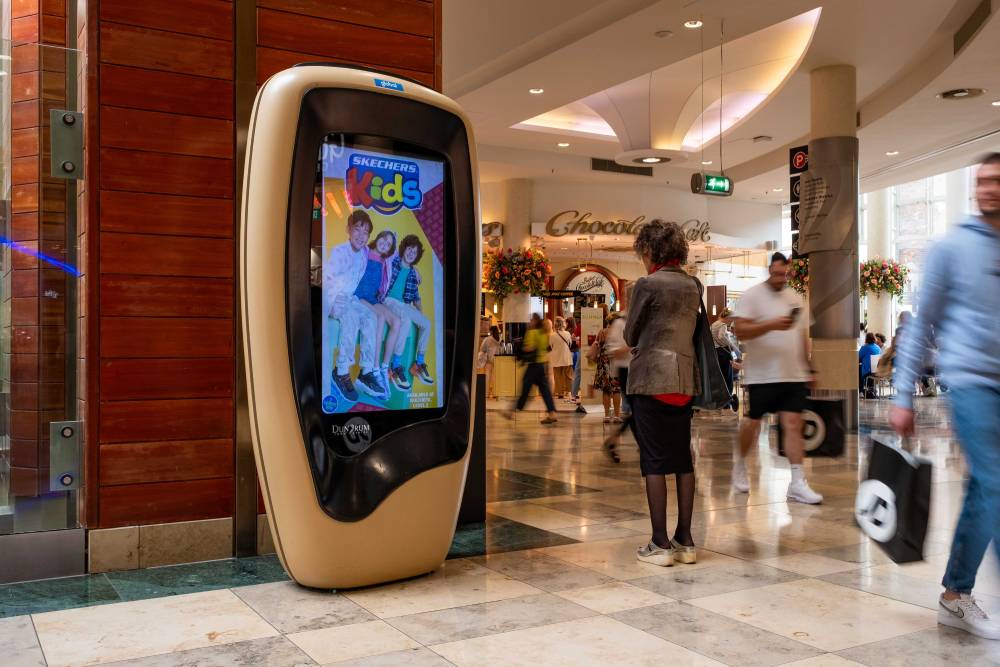
At the same time, many of the purchasing decisions linked to this period are still rooted in physical environments. Shopping centres remain the most popular destination for back-to-school shopping (40%), while online stores (29%) and high street shopping (18%) environments continue to play an important role.
What it Means for Your Brands
If consumers are becoming more intentional, brands need to follow suit.
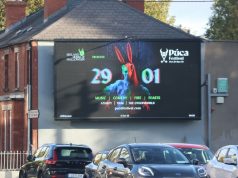
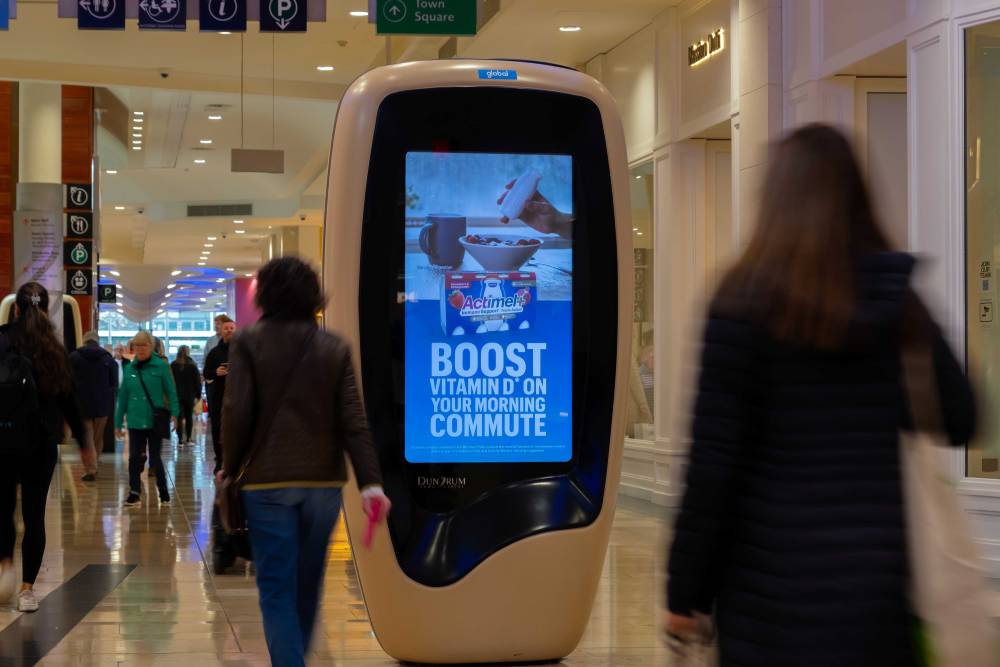
This is where OOH is particularly well placed. As consumers return to more structured routines, they also return to the journeys that shape decision-making; the commute, the shopping trip, the school run and the everyday moments in between. These are the moments where consideration is building and where brands have an opportunity to become part of the plan before the purchase is made.
The research supports this. More than half of consumers (53%) say OOH influences their back-to-school purchasing decisions, highlighting the role the medium plays throughout the consideration journey, not just at the point of purchase. Combined with other touchpoints, OOH helps brands stay visible as consumers move from planning to action.
Tools such as Atlas and Atlas Insights take this a step further. By understanding where audiences spend their time, how they move through their day and the environments most likely to shape decision-making, brands can build more informed campaigns around real-world behaviour.
In many ways, it mirrors the mindset of today’s consumer. As people become more deliberate about where they spend their time, money and attention, brands have an opportunity to be just as deliberate in how they show up.
September has always been associated with routines. What this year’s research suggests is that it has also become a season of consideration.
Consumers are planning more carefully, spending more deliberately and placing greater thought behind the choices they make. From shopping lists and household budgets to family time and personal goals, intention is increasingly shaping behaviour.
Some of that is undoubtedly a reflection of the wider environment. But rather than holding people back, many are responding by planning ahead, seeking value and making more informed decisions. For brands, the opportunity is to earn a place in consumers’ plans before the purchase is ever made.
Susan Murtagh is Business Director, Talon Ireland