








 Aaron Poole, marketing insights manager, PML Group with this week’s Out \ Look on Out of Home
As consumers move between the street, the supermarket, the shopping centre and the final dash to purchase, the medium is already doing what it does best by keeping brands visible across the full lead-in to the weekend.
 There are some retail moments that naturally belong on Outdoor, and Easter is one of them. As consumers move between the street, the supermarket, the shopping centre and the final dash to purchase, the medium is already doing what it does best by keeping brands visible across the full lead-in to the weekend.
That is what makes Easter such a natural fit for multi-format OOH. People are not moving through one single environment as the occasion approaches. They are commuting, passing through town centres, calling into shopping centres and supermarkets, and often making final purchase decisions much closer to the event itself. PML Group’s Multi-Format Effect research found that 69% of people are more likely to notice a campaign when they see it in more than one place, while 81% say seeing the same ad in different locations adds familiarity to a brand. The same study also found that 71% believe different formats make campaigns easier to remember.
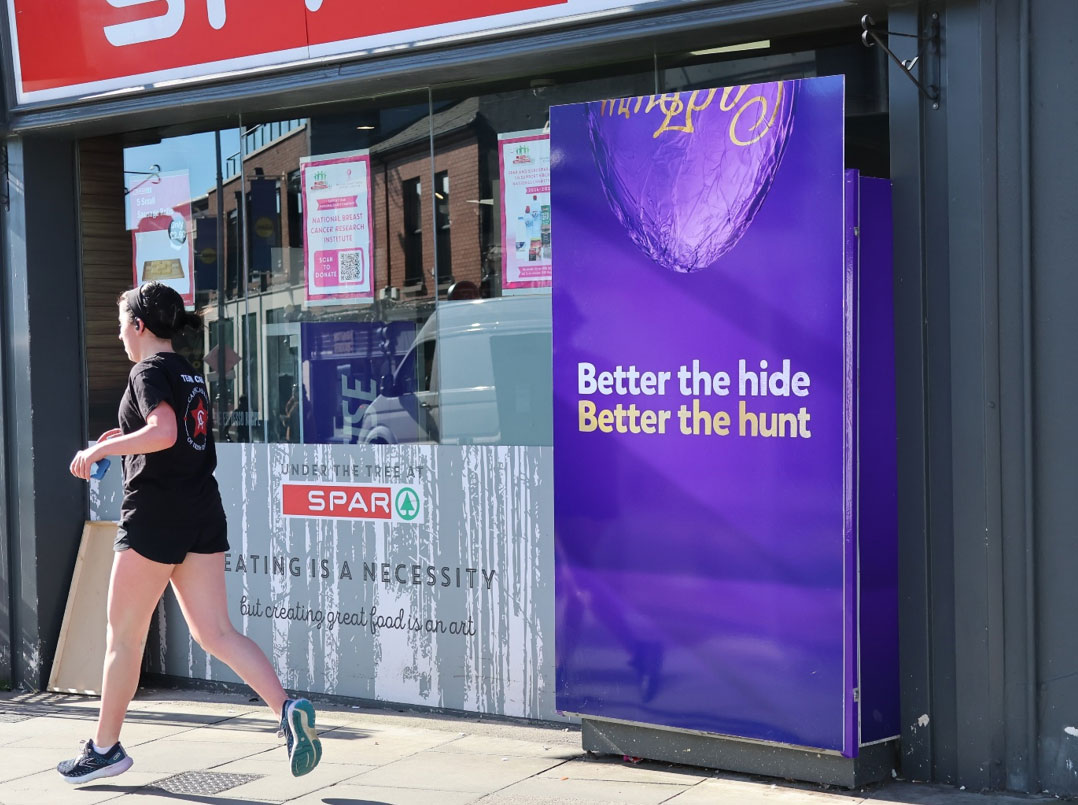
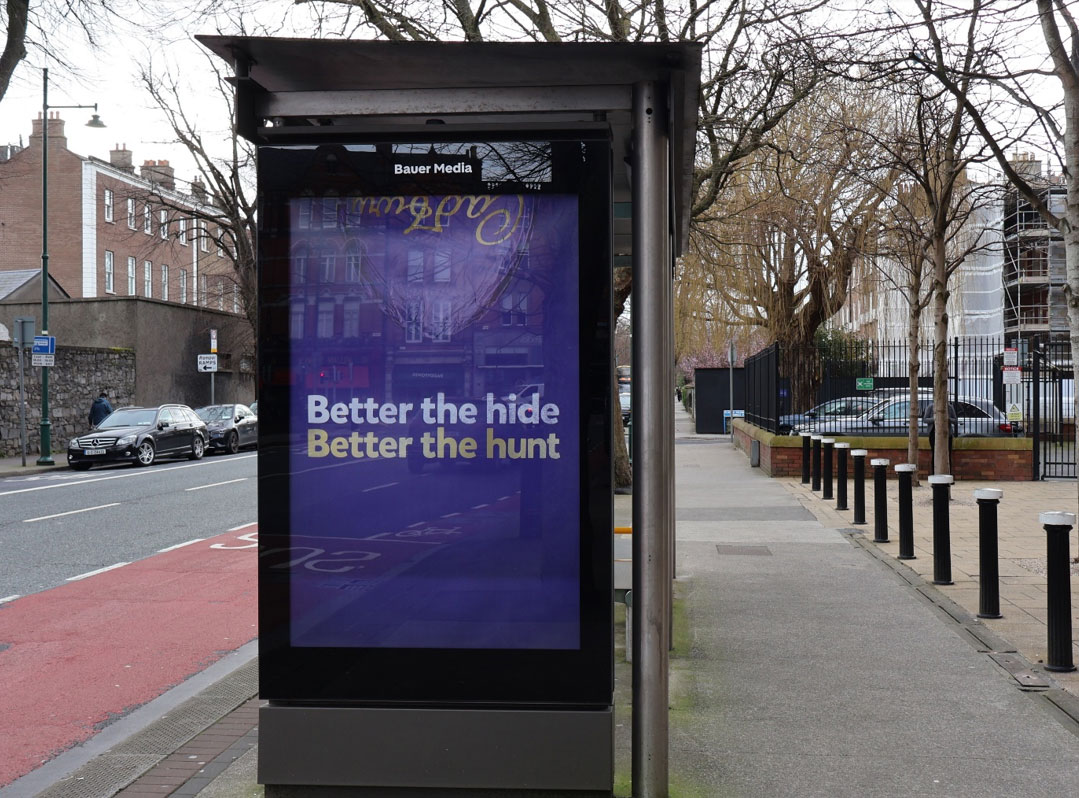
Cadbury’s Easter Egg Hunt campaign, planned by Spark Foundry and PML, is a strong example of that principle in action. Built around the line “Better the hide, Better the hunt”, the creative appeared across Adboxes, Adshel Bus Shelters, 48 Sheets, retail digital and Tesco Digiscreens.
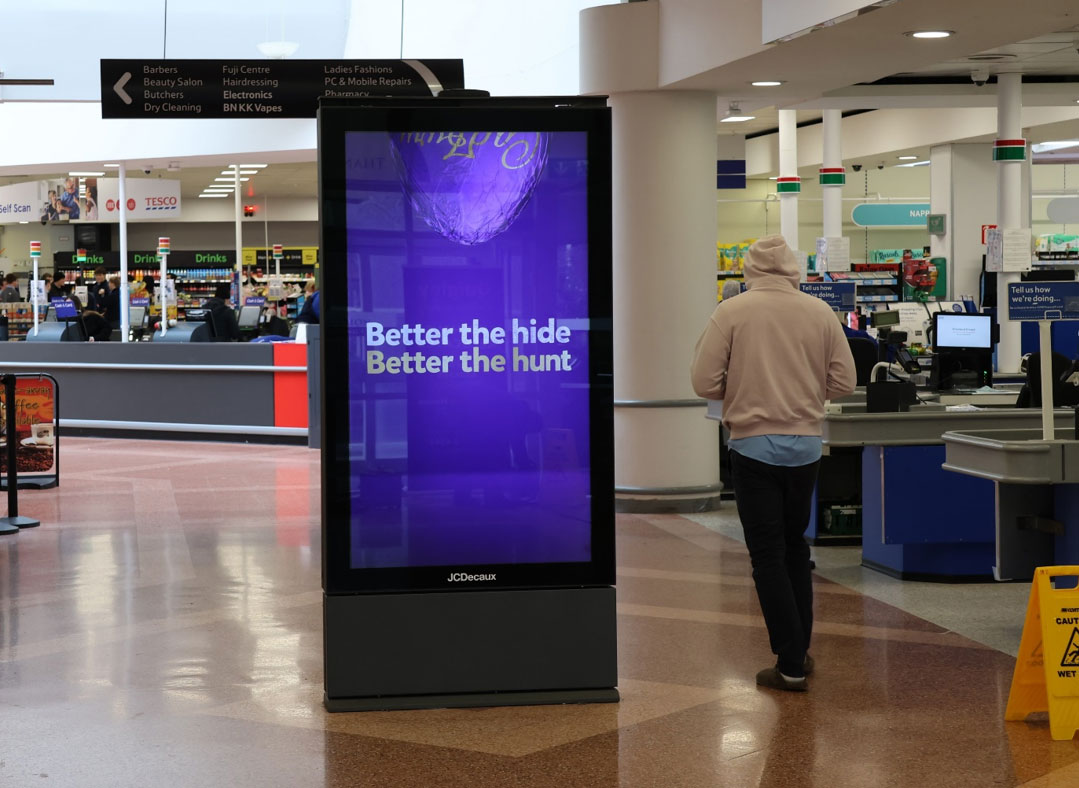
That gives the campaign more than just scale – it gives it a journey from street to store. The message appears out on the street, returns in retail spaces and stays visible as shoppers move closer to the point of purchase. For a campaign tied so closely to the rituals of Easter, that kind of repeated presence makes sense.
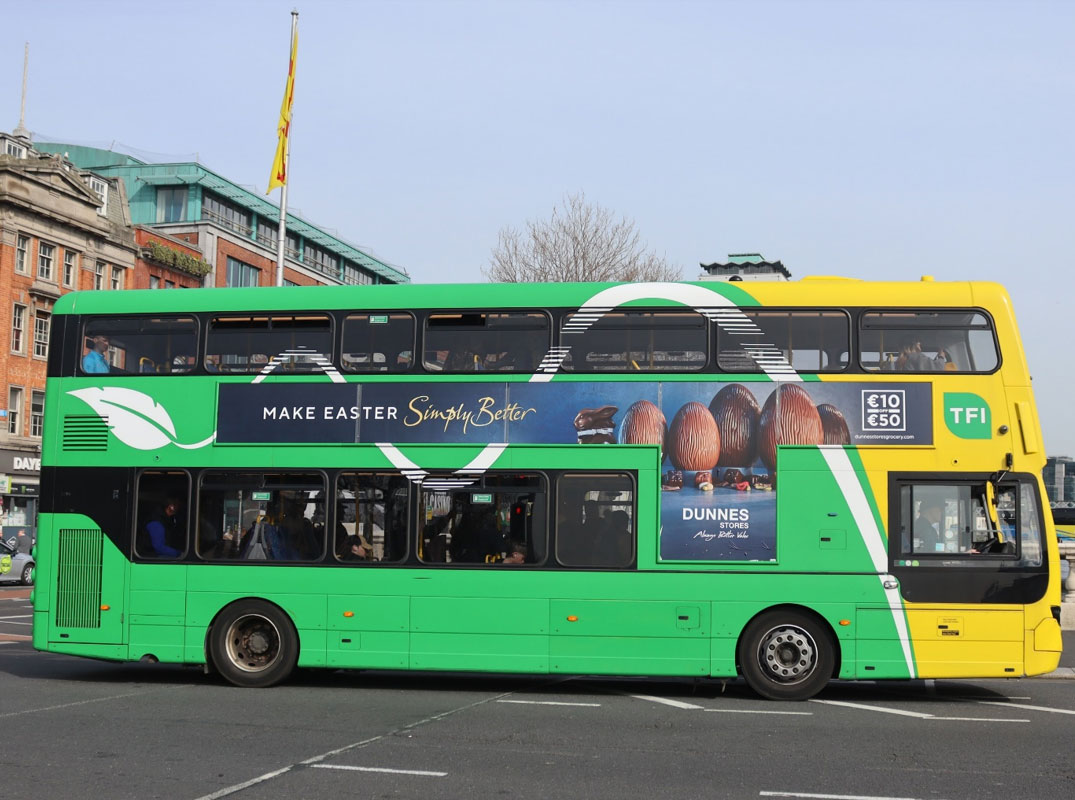
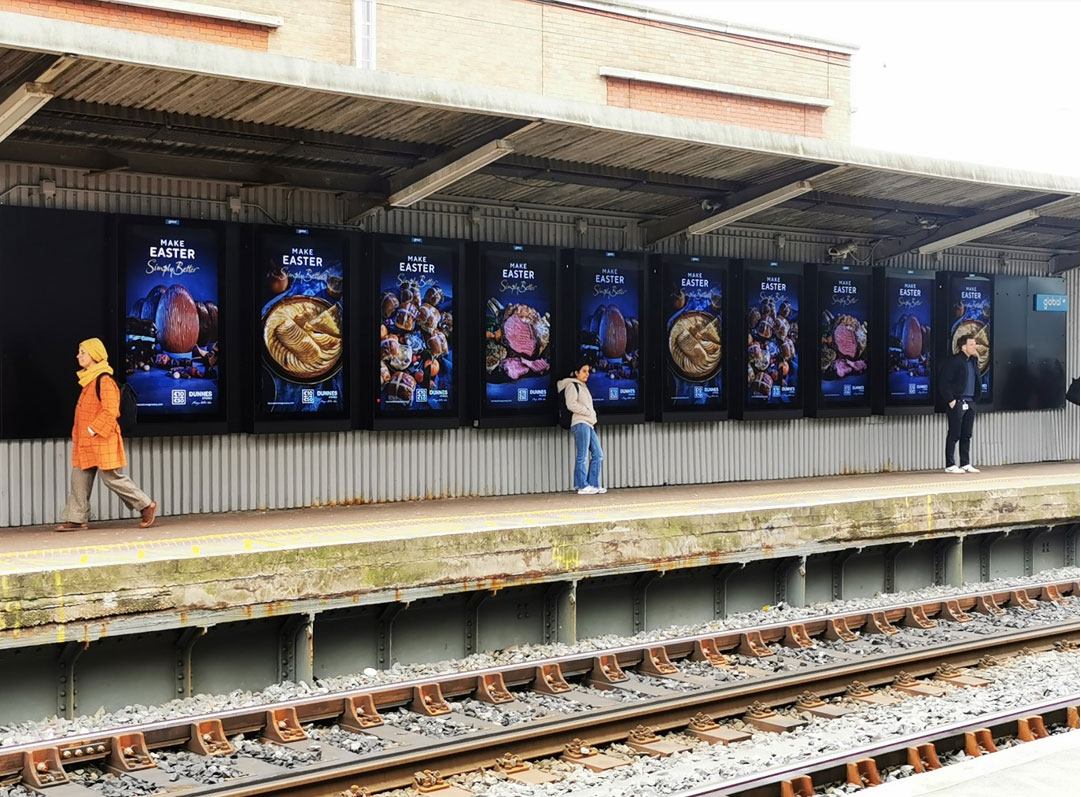
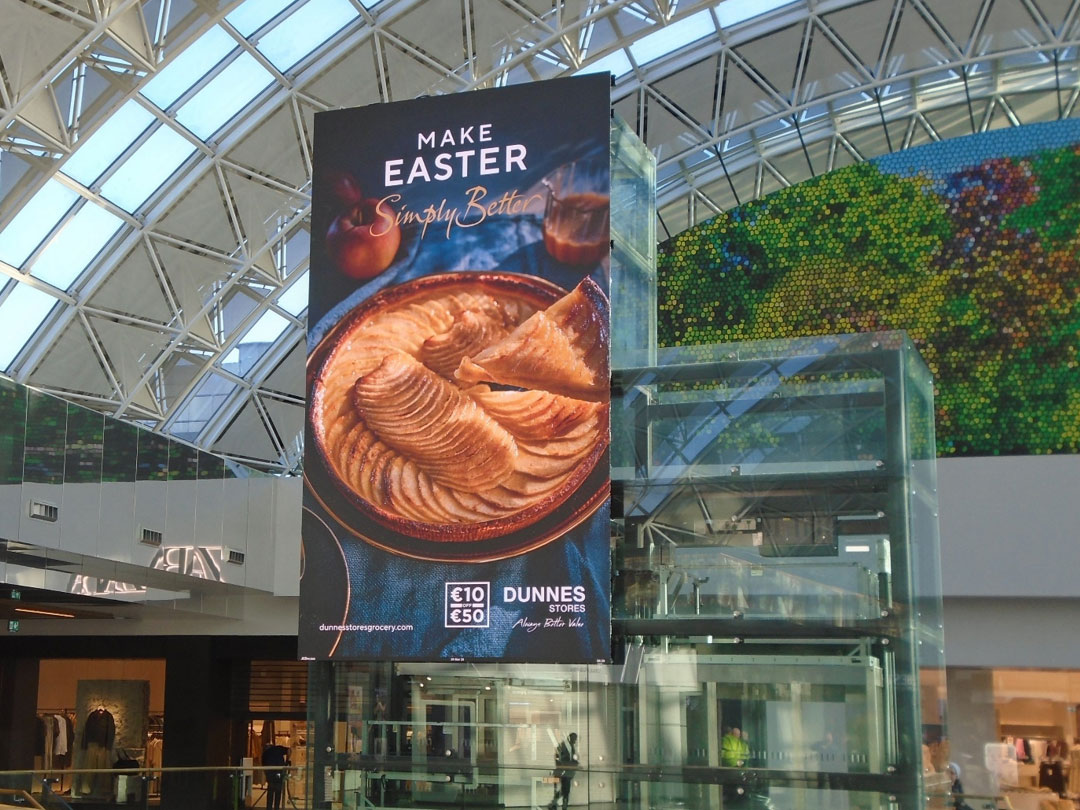
Dunnes Stores, planned by dentsu and PML, has also made a strong Easter impression this year with Simply Better creative appearing across multiple environments. Rich, premium food imagery helps build broad seasonal presence, but the real strength is in how naturally the campaign moves from large-format brand statement to timely shopper reminder. At Easter, that matters. Outdoor is not simply there to build awareness in the abstract, it is there to keep brands present in the moments when seasonal choices are actively being made.
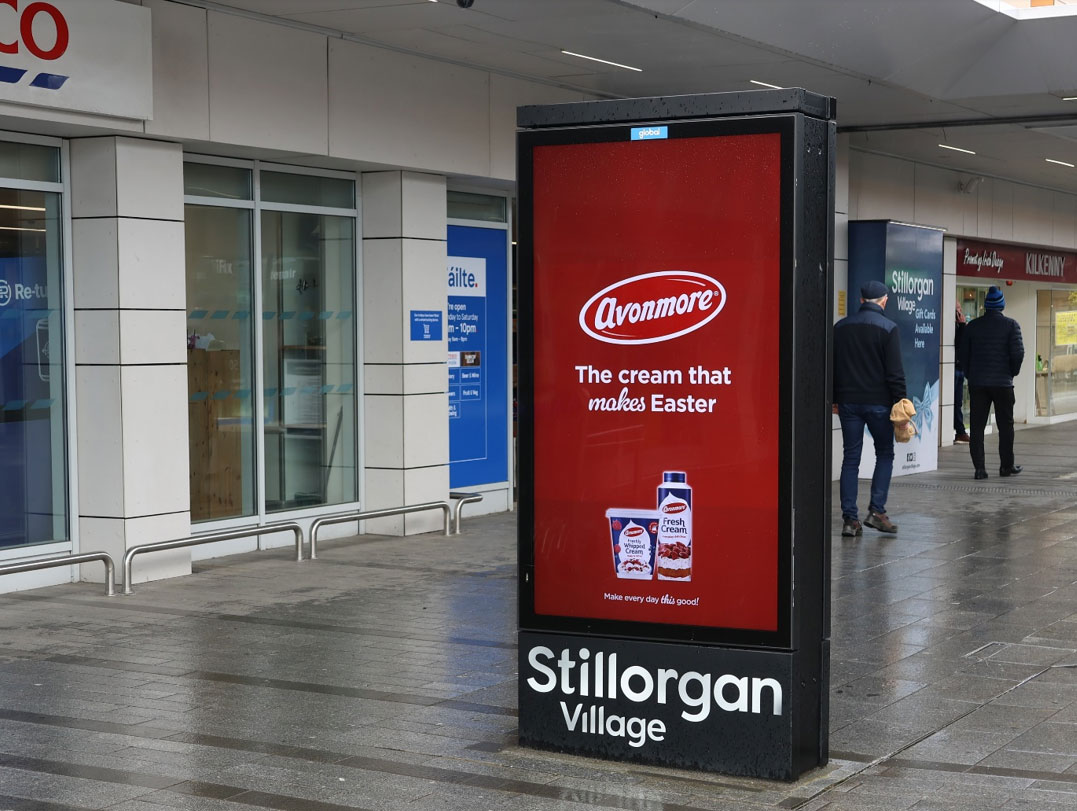
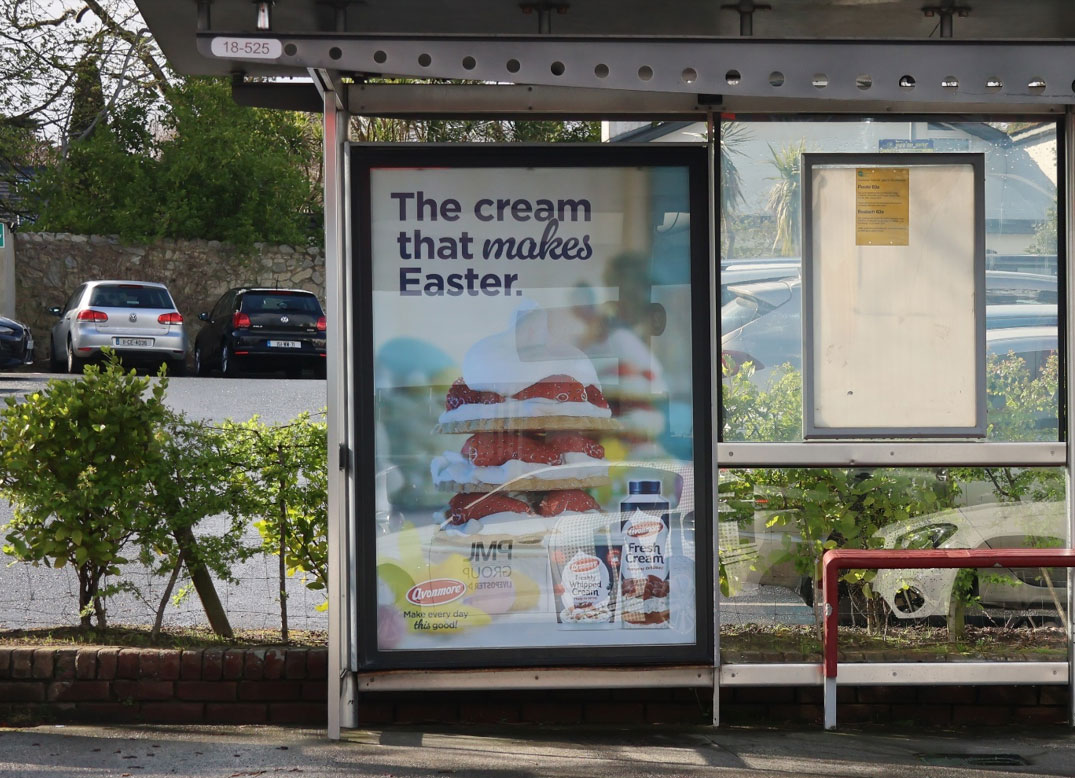
Avonmore Fresh Cream, also planned by dentsu and PML, plays a similar role from a different category angle. As a product closely tied to Easter desserts, family meals and home preparation, it benefits from appearing in more than one context. Roadside formats help establish broad awareness, while mall and retail environments bring the message closer to the shopping task itself. That is especially relevant given our research shows that 74% agree Outdoor has more impact when it appears in places that feel relevant to the brand, while 73% say they are more likely to act when an ad appears in a place that feels relevant to them.
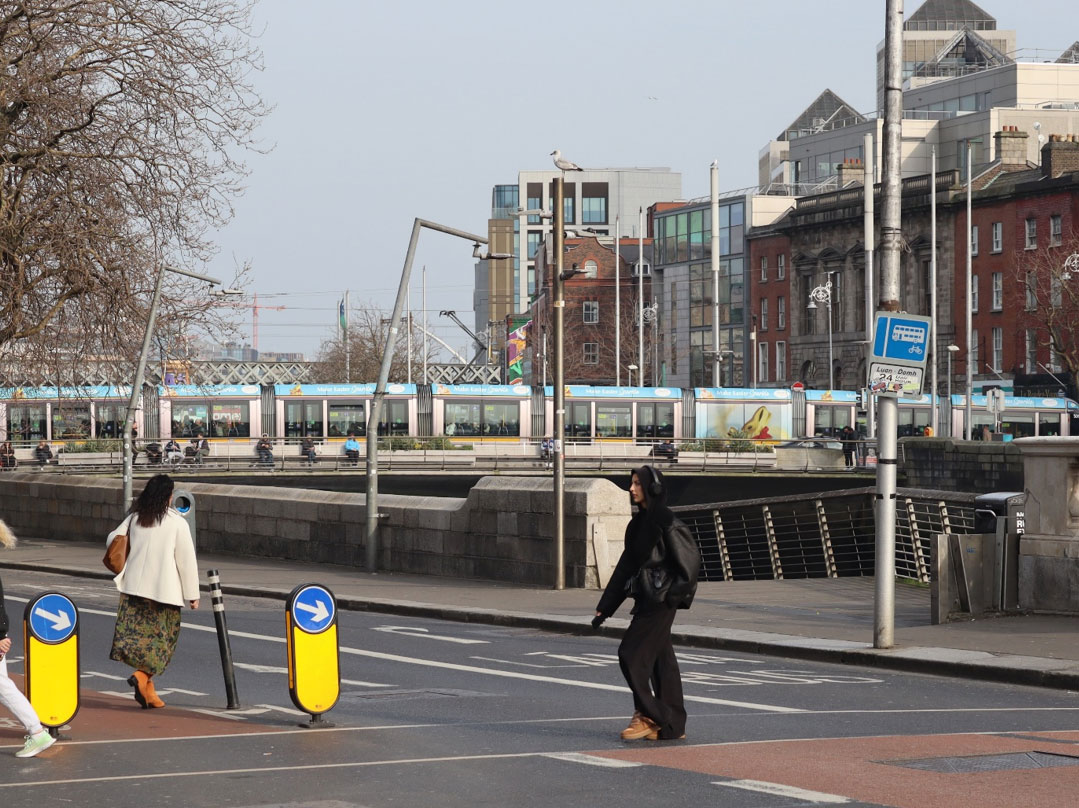
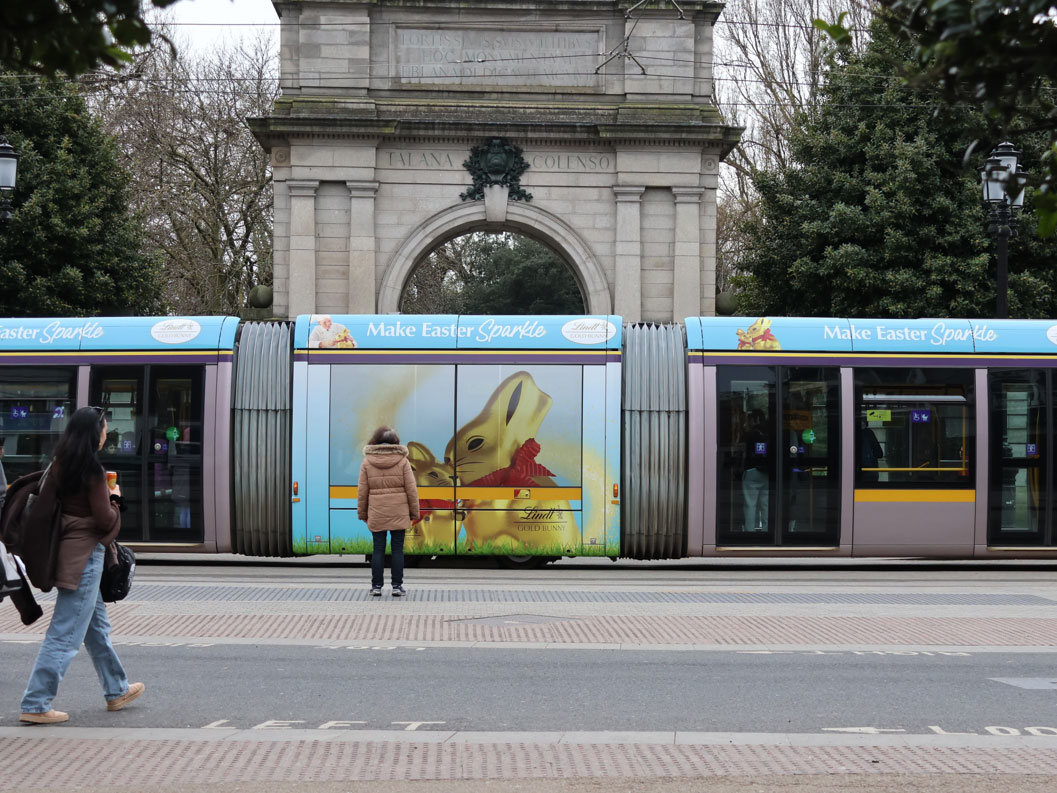
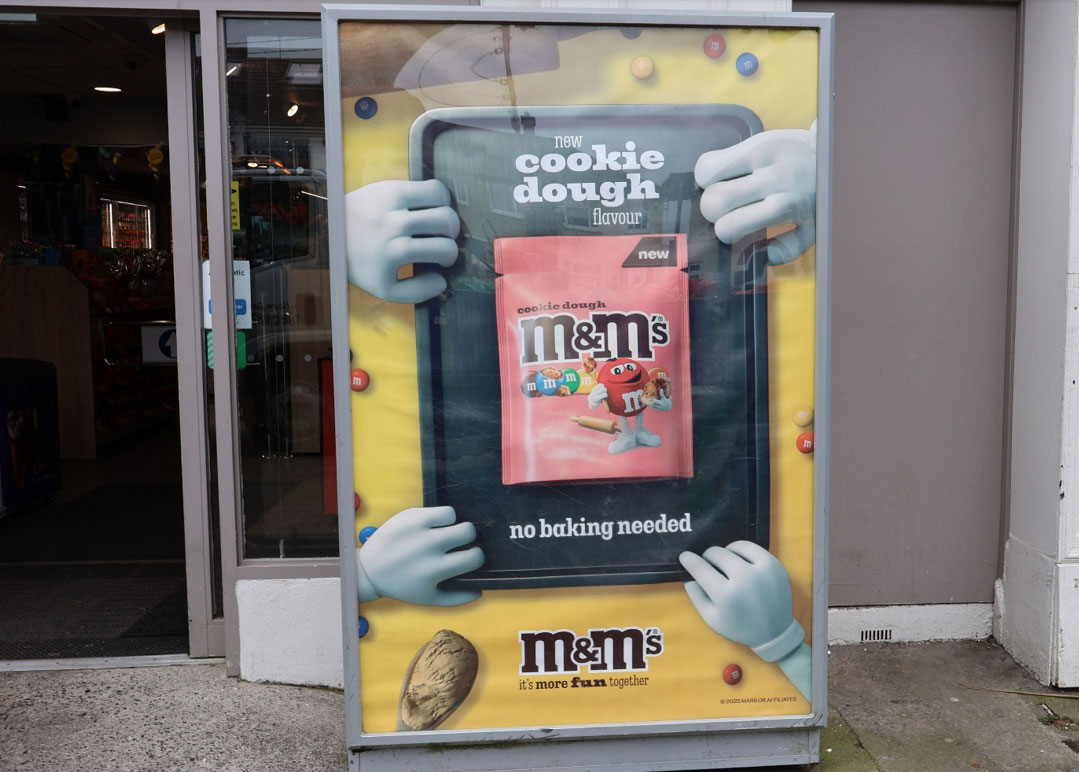
Not every Easter campaign needs to be multi-format to stand out, of course. Some work because the format choice is so well suited to the season. Lindt’s Luas Tram Centre, planned by Starcom and Source out of home, is a strong example, using a single highly impactful format to create something unmistakably Easter-facing in the city. M&M’s, planned by Zenith and Source out of home, meanwhile, shows how a more tactical street-level presence can still cut through with point-of-purchase-adjacent formats, amplified by simple, immediate and product-led creative.
What this activity underlines is that Easter is not just a seasonal burst for Outdoor. It is one of the clearest examples of how the medium works best – across movement, across environments and close to the moments that matter. That is why multi-format matters here. PML Group’s research shows recall is 44% higher for multi-format campaigns than for single-format campaigns, and at Easter that advantage feels especially well suited to the way people actually shop.
OOH Delivers Impact Beyond Visibility in Latest TGI
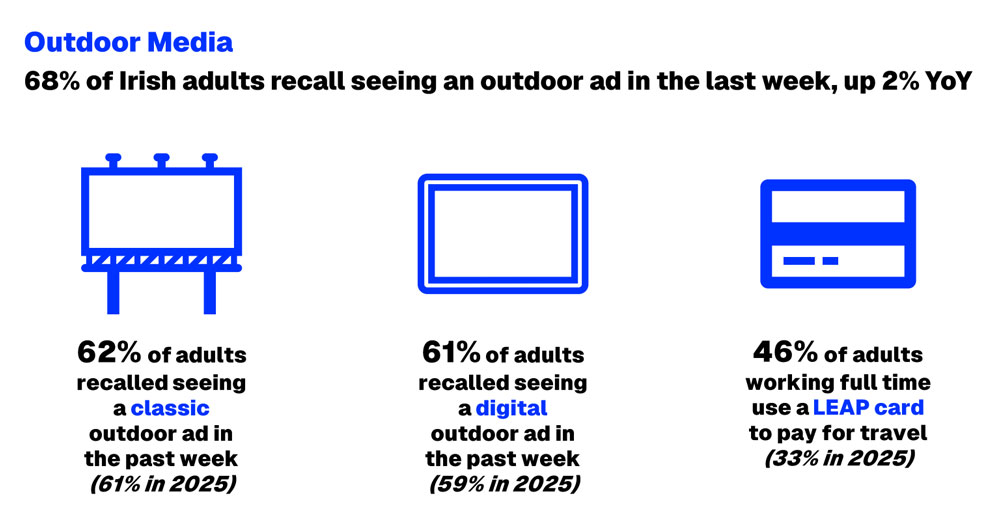
The latest ROI TGI release from Fifty5Blue points to a familiar truth for Outdoor. Visibility remains high, with 68% of Irish adults recalling seeing an outdoor ad in the past week. In the latest highlights, classic OOH recall stands at 62%, up from 61% in 2025, while digital OOH recall reaches 61%, up from 59%. More importantly, the release shows that OOH is not just being seen. It is prompting action, with 250,000 adults having bought or asked for information after seeing a promotion on posters.
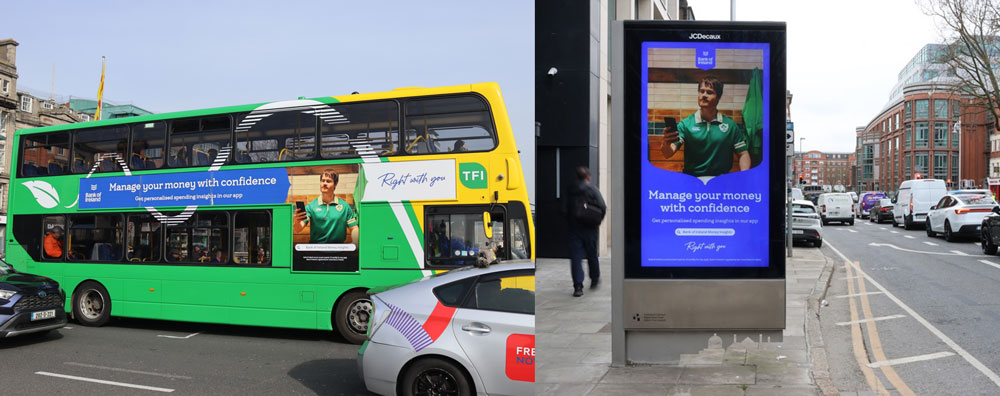
That practical value comes through clearly in the next set of findings. Fifty5Blue reports that 38% agree that, when shopping in-store, an advert will prompt them to look for a product or brand, while those who recall seeing Outdoor are 30% more likely to agree that outdoor ads are useful in helping to make a purchase decision. A further 27% agree that they like to interact with advertising on touch screens in shopping centres, cinemas and airports. This is where the medium starts to move beyond presence and into influence.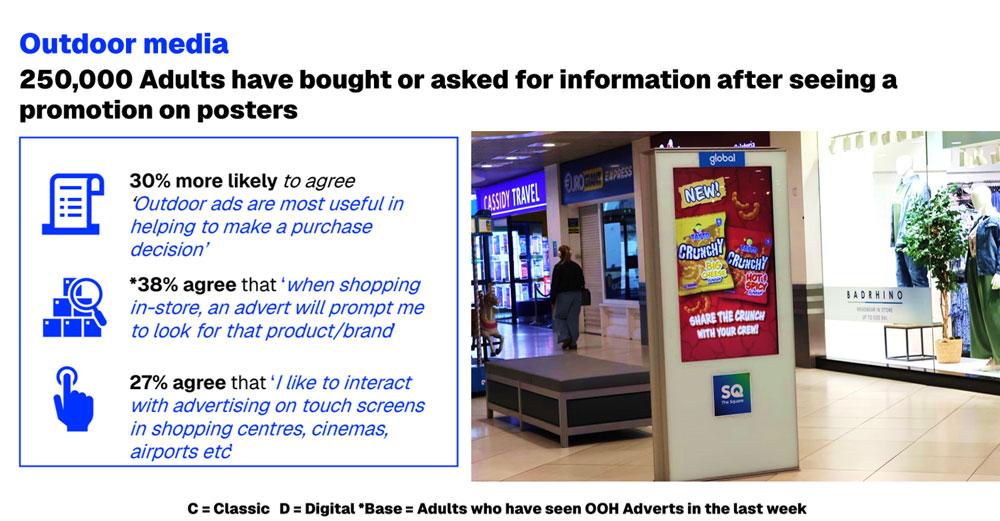
That makes the retail and near-store dimension especially important. The latest highlights show digital visibility in shopping centres and malls at 30%, followed by 25% at bus stops and shelters, 25% in petrol stations and 24% inside supermarkets. Across classic environments, bus stops and shelters account for 22%, shopping centres and malls 22%, and outside supermarkets 22%. Taken together, that points to an estate that is not concentrated in one type of moment, but distributed across the wider journey to purchase.
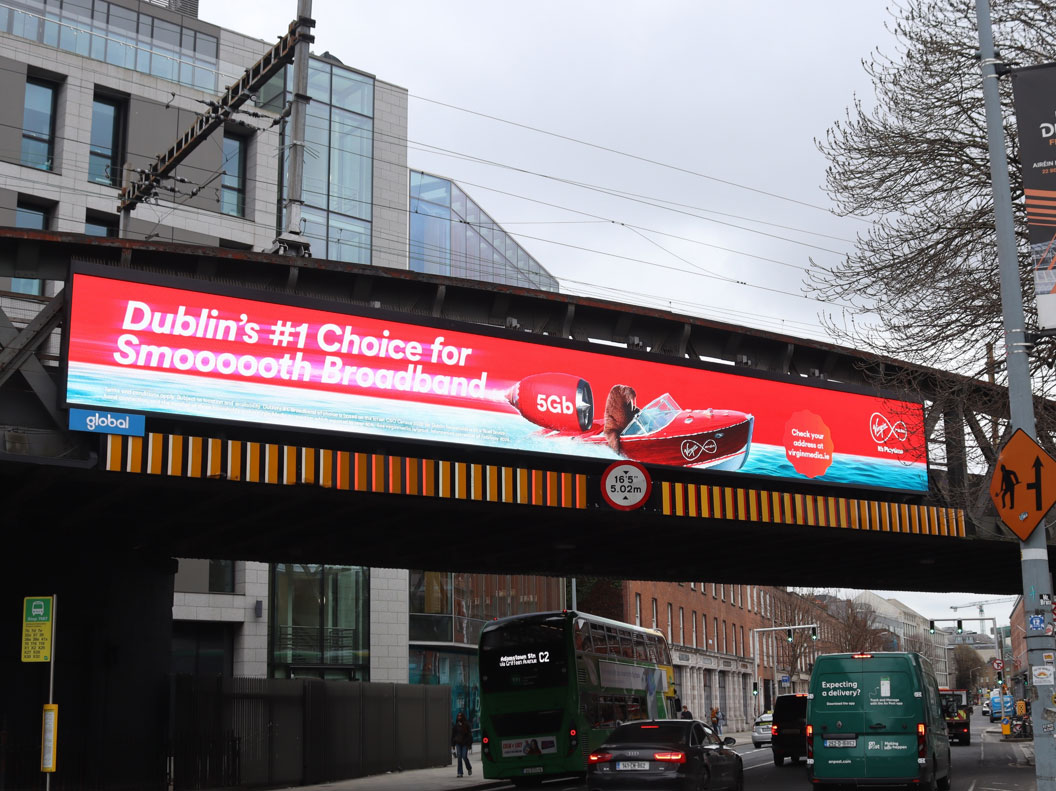
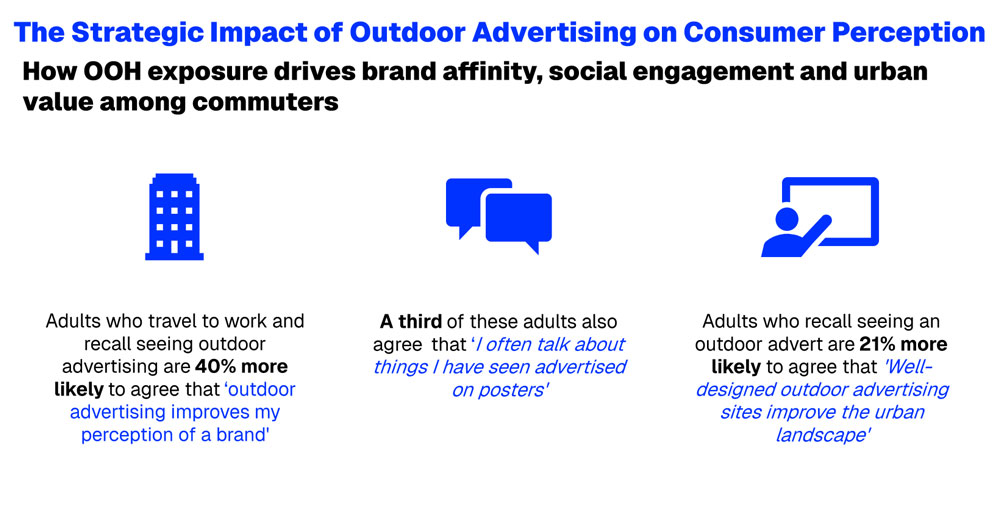
The story then broadens again. Adults who travel to work and recall Outdoor are 40% more likely to agree that it improves their perception of a brand, while adults who recall seeing an outdoor advert are 21% more likely to agree that well-designed outdoor advertising sites improve the urban landscape. A third of these adults also agree that they often talk about things they have seen advertised on posters. That is an important combination. It shows OOH working both as a practical prompt and as a medium that can strengthen brand presence more broadly in public life.
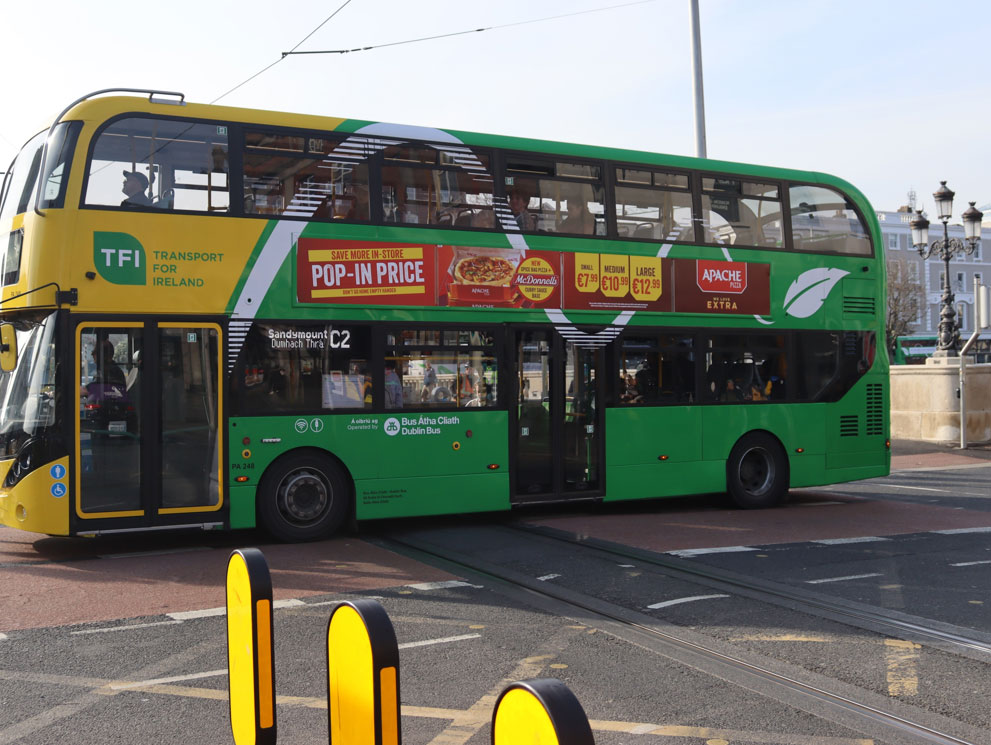
There is a useful contextual cue in the wider mobility picture too. The latest highlights show that 46% of adults working full time now use a LEAP card to pay for travel, up from 33% in the previous year’s charting. For Outdoor, that matters. The medium’s effectiveness has always been tied to everyday journeys, and this latest release underlines just how embedded those journeys remain in the way Irish audiences encounter brands.
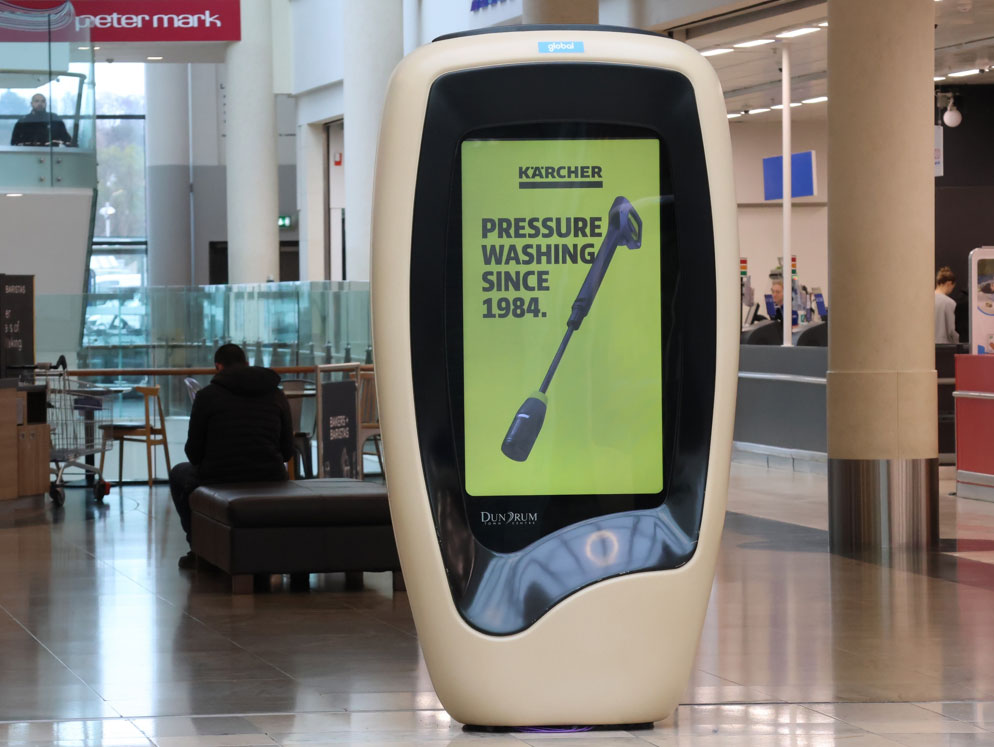
Format-wise, the release also reinforces the value of a joined-up estate. Rather than suggesting a choice between classic and digital, the current picture points more clearly to the role each plays within the wider OOH mix. Classic continues to provide broad physical presence, while digital adds flexibility and contextual relevance across high-footfall environments. Together, they keep brands visible across movement, proximity and routine.
Taken together, the latest data is less a story about Outdoor merely holding its own, and more a reminder of why it continues to matter. OOH remains highly visible, but the real takeaway is what that visibility enables – clearer communication, stronger brand presence, and measurable impact in the moments where consumers are already out in the world making decisions.