












 Not every ad on the street earns the same reaction. Some are glanced at and passed by. Others manage to stick, spark a smile, or feel instantly relevant to what is already on people’s minds.
That was the thinking behind a recent set of Media Impact questioning conducted in tandem with Ipsos B&A. Dublin respondents were shown a selection of OOH panel imagery featuring humorous and event-led creative and asked for their views on how this kind of advertising lands.
The results point to two clear creative advantages for Out of Home. Humour helps messages stay with people and gives them something worth sharing, while timely references to upcoming events help advertising cut through in the moment.
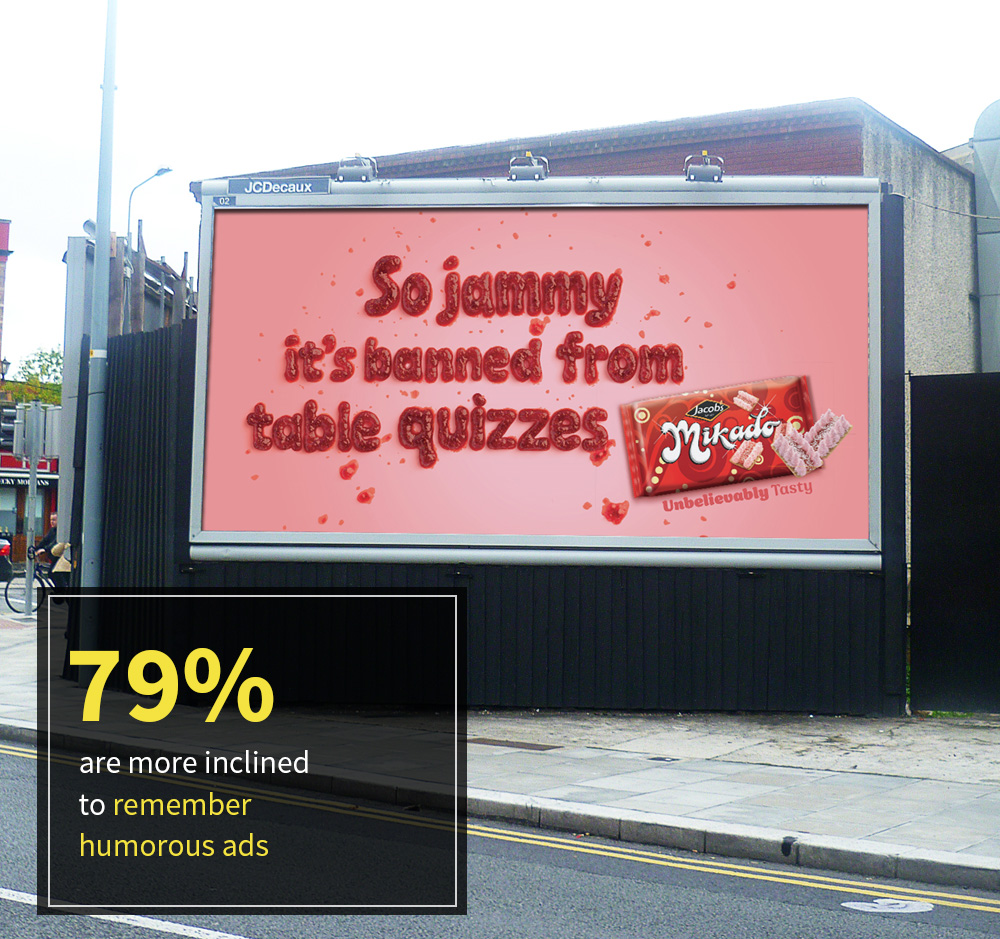
Across the study, 79% agreed they are more inclined to remember humorous ads, while 75% agreed they are more inclined to talk about them. Separately, 66% agreed they pay more attention to advertising when it refers to upcoming events.
That matters because OOH is experienced in the flow of everyday life. It is not a medium people sit down with. It has to work quickly, often in passing, and reward attention almost instantly. Creative that makes people smile or taps into something already approaching on the calendar has a better chance of doing exactly that.
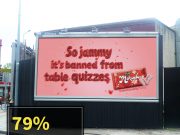
The humorous examples shown in the research illustrate the point well. Creme Egg’s playful line, “If you eat yours upside down, you don’t play by the rules”, and Mikado’s cheeky “So jammy it’s banned from table quizzes” both rely on a quick payoff. They do not ask much of the audience, but they give something back immediately. That exchange matters on OOH. If the message lands in a glance, it has done its job.
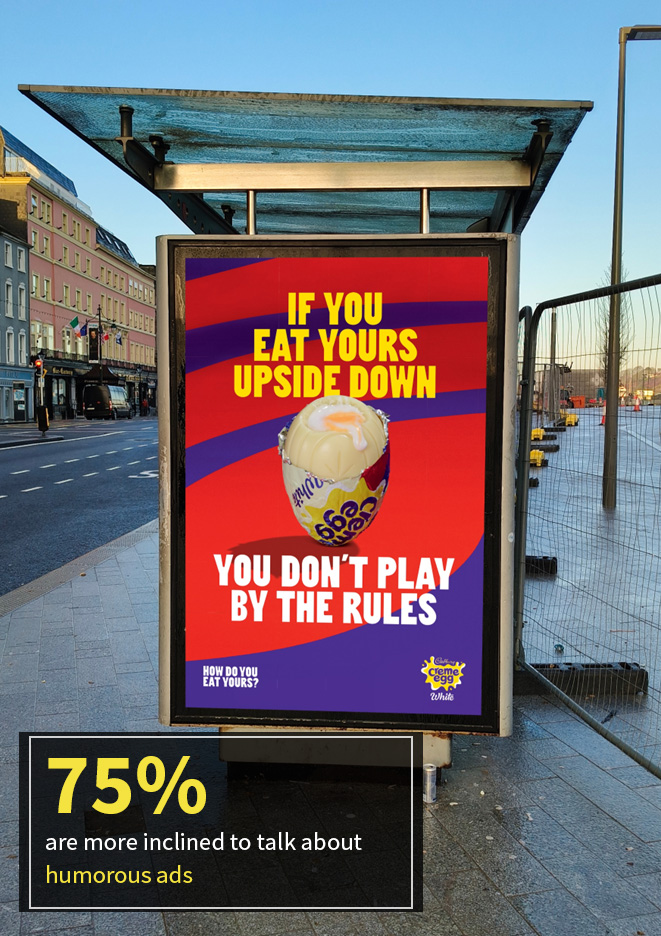
The findings suggest that humour does more than simply entertain. It appears to make OOH more memorable and more socially portable. In other words, it helps a campaign travel beyond the panel itself. Among Dubliners aged 16 to 24, 81% agreed they are more inclined to talk about humorous ads, reinforcing the role wit can play in making OOH part of wider conversation.
There is also a strong audience signal among ABC1s. More than nine in ten agreed they are more inclined to remember humorous ads, with humour-led talkability also particularly strong among this group. For brands looking to build fame among commercially valuable audiences, that is an important creative cue.
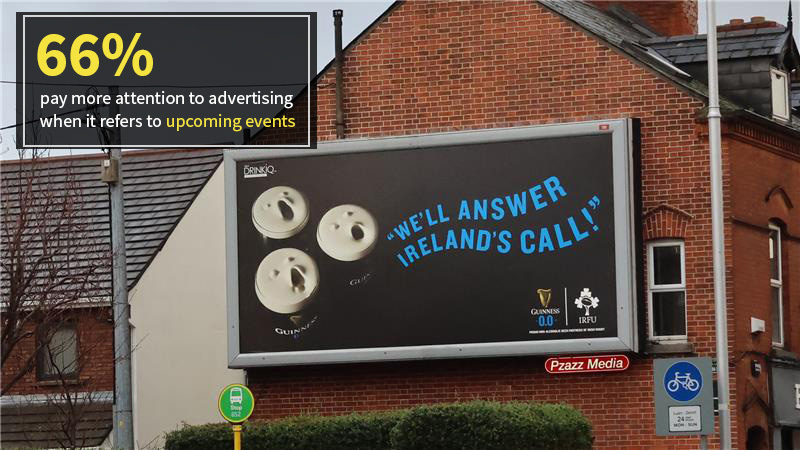
The second takeaway is about timing. When OOH references something people know is coming, attention rises. In the study, 66% agreed they pay more attention to advertising when it refers to upcoming events. That makes intuitive sense, but it is useful to see it borne out so clearly.
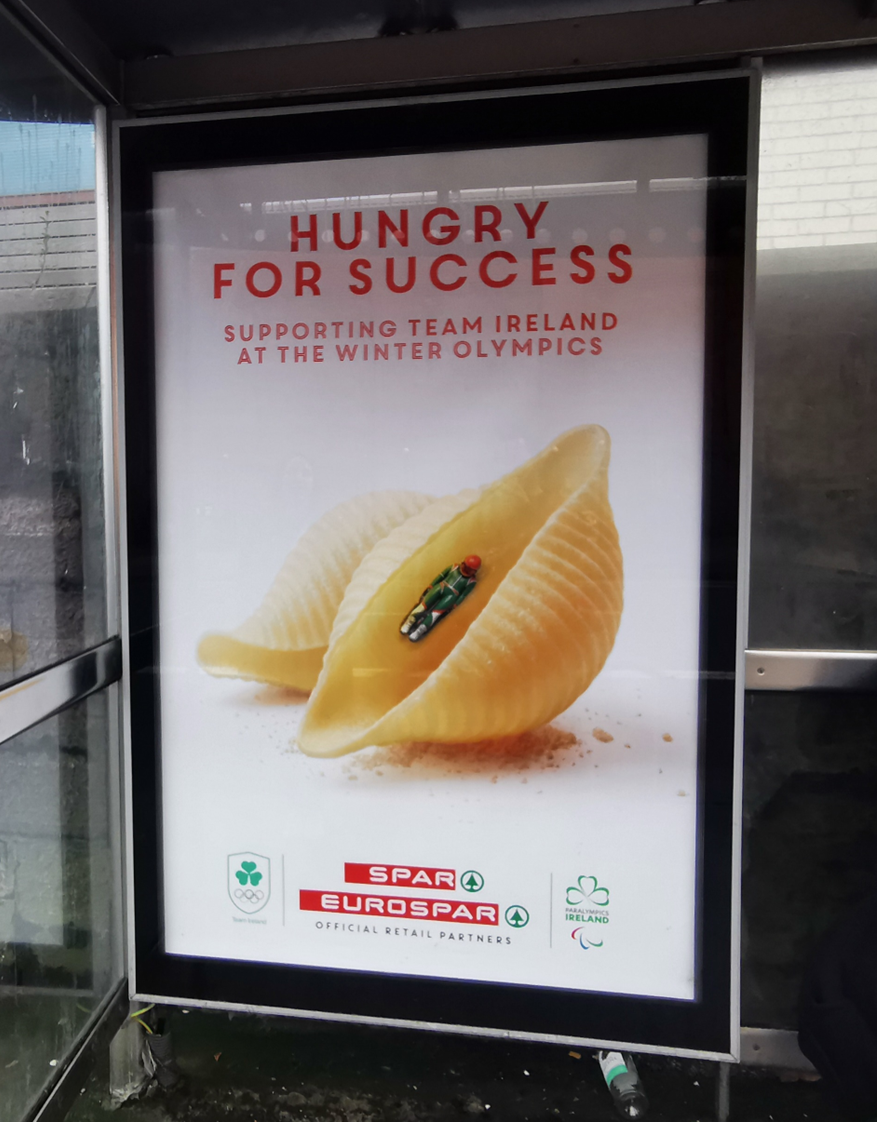
OOH has always had a natural relationship with the public calendar. Sporting fixtures, seasonal moments, retail peaks and shared cultural occasions all create a backdrop that smart creative can tap into. The examples used in this study, including Guinness 0.0’s tie-in with Irish rugby and EUROSPAR’s support of Team Ireland at the Winter Olympics, show how brands can borrow relevance from the moment and make their message feel more immediate.
What this points to is not just the importance of being seen, but the importance of being seen with purpose. On OOH, creative relevance is not a nice extra. It is often the difference between a message that simply occupies space and one that earns attention.
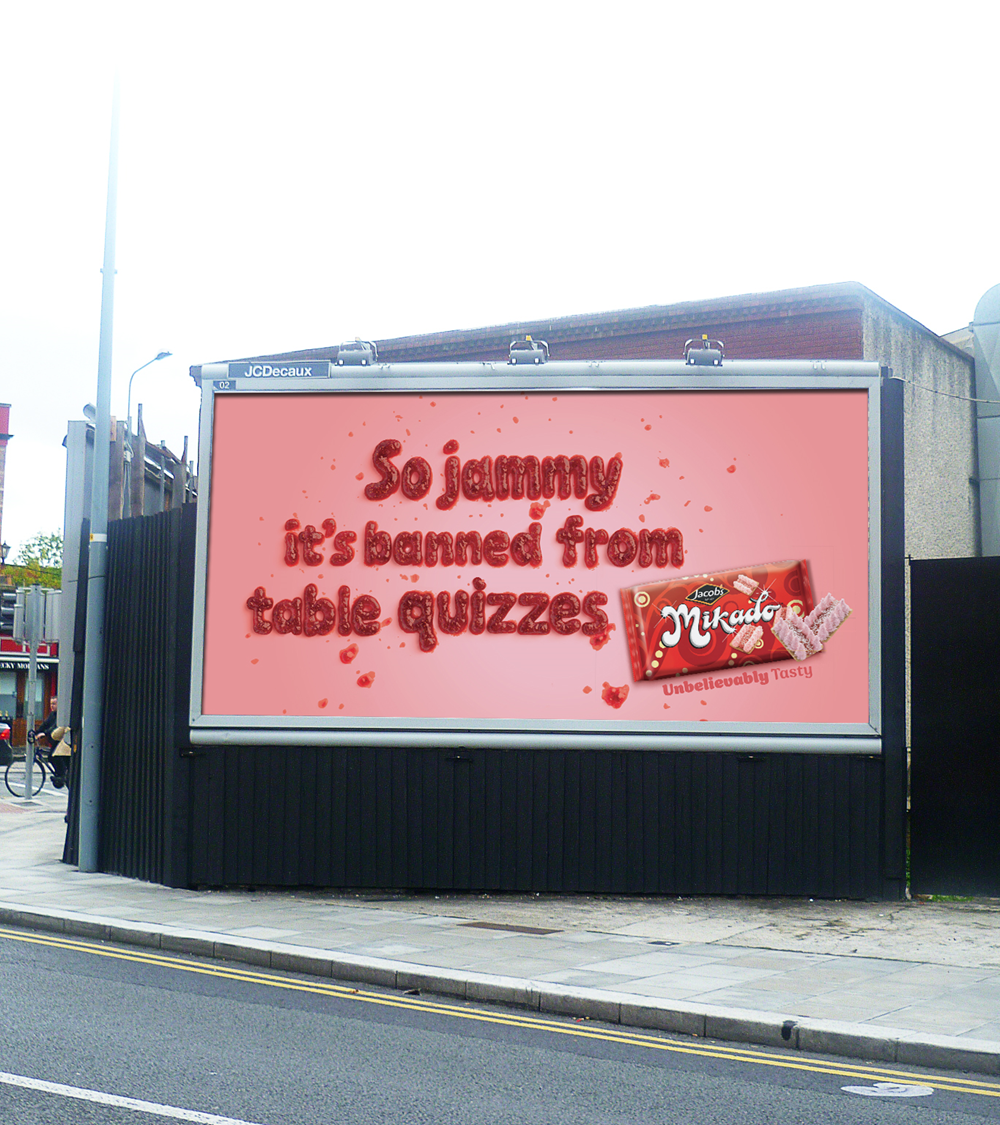
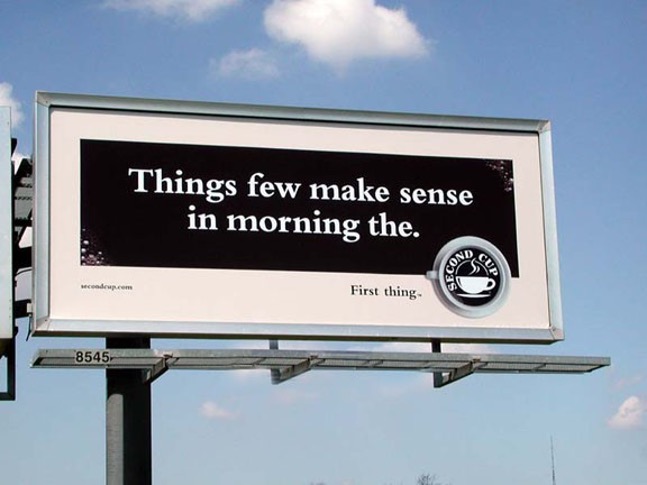
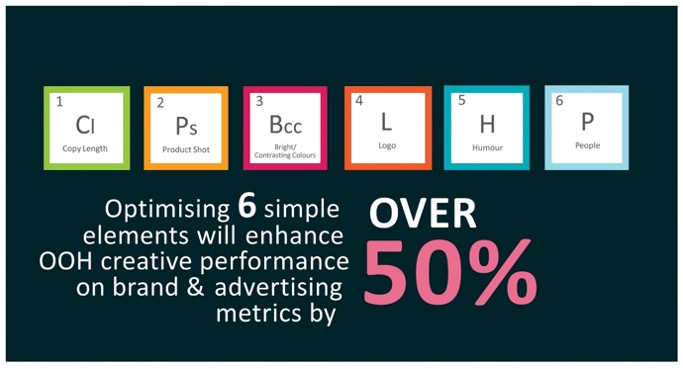
This is not the first time humour has emerged as a strong creative device for OOH. Earlier PML Group analysis highlighted how the appropriate use of humour can increase memorability and broader brand effects, while Creative Elements research found that humour drove advocacy, increasing net promoter scores by an average of 11%, with consideration boosted by 7%. The latest Media Impact findings build on that picture, showing that audiences themselves recognise humour as a trigger for both memory and conversation.
For advertisers, that should be an encouraging finding. It suggests that effective OOH creative does not always need complexity to work hard. Sometimes the strongest route into attention is a sharp line, a well-judged cultural reference, or a message that feels tuned to the moment people are already living through.
In a medium defined by public visibility, the work that performs best is often the work that meets the audience halfway. Make them smile, or make the message timely, and OOH is more likely to stay with them.