










 Aaron Poole, marketing executive, PML Group with this week’s Out \ Look on Out of Home
Vodafone is readying the country to get “back in green” with an Outdoor supporting campaign ahead of the Autumn Nations Series picking up in Dublin this weekend. Following Ireland’s opening fixture against New Zealand, the latest phase of the Team Of Us platform marks the team’s return to the Aviva Stadium for tests against Japan this Saturday, then Australia and South Africa in the coming weeks.
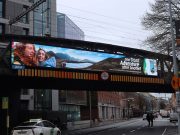
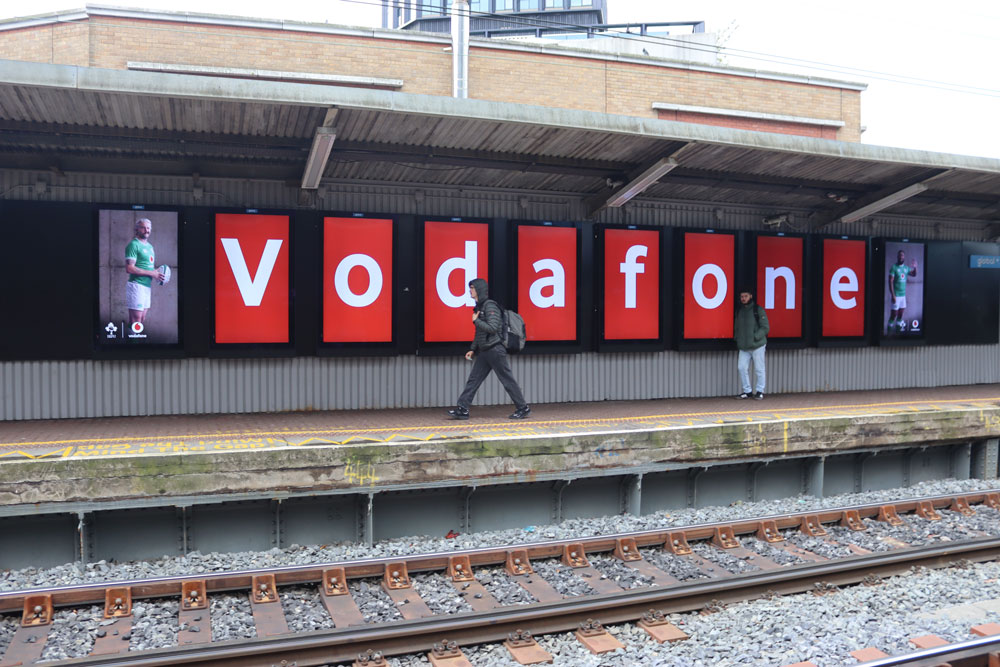
Planned by dentsu and PML, with creative from Folk VML, the campaign extends Vodafone’s long-running association with Irish Rugby through a mix of classic and digital OOH including 48 Sheets and Digipoles on main commuter routes, Transvision screens across DART and commuter rail, and digital station galleries at Connolly, Pearse and Heuston, delivering large-format impact around key matchday travel hubs. Retail and roadside digital panels add continuity through the tournament window, maintaining frequency and visibility beyond match weekends.
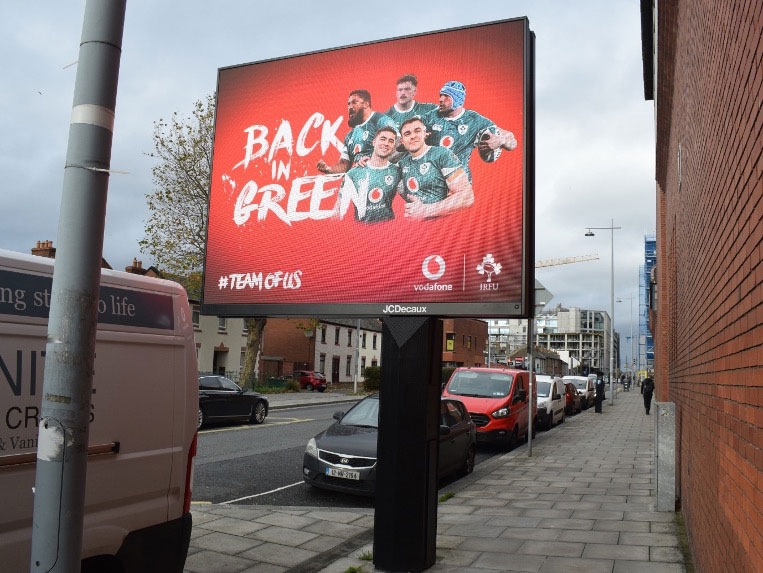
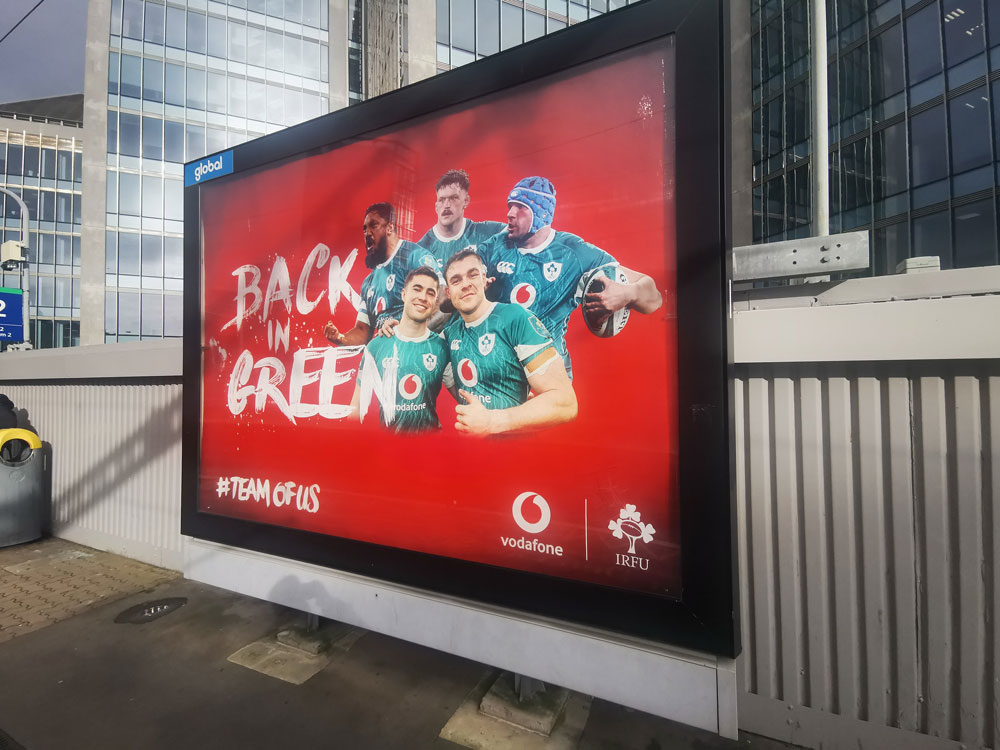
Creative features the Irish squad unified under the Team Of Us message, highlighting Vodafone’s role in connecting supporters and players nationwide. Match-themed executions across digital formats mirror walk-out tunnels as in previous years, reinforcing the brand’s position at the centre of national sporting moments.
“Rugby has such a special place in Irish people’s hearts,” previously noted Ciara Lawlor, Business Director at dentsu, on the Team of Us campaign. “The excitement for each game is palpable, particularly around the Aviva Stadium on match day. For that reason, we are proud to support the Irish team for the November Internationals.”
According to PML Group’s study surrounding OOH and Sponsorship, half of Dubliners view a brand more positively when it supports national sport, rising to two-thirds among 16–24-year-olds. The latest campaign continues to demonstrate how Vodafone’s consistent investment in Outdoor reinforces both brand stature and sponsorship credibility in the eyes of Irish audiences.
Moods on the Move
What we feel often decides what we notice. From the early commute to the late-evening unwind, emotion shapes how people engage with the world around them, including the messages they encounter in public space. The latest iteration of our Moods on the Move research, conducted with Ipsos B&A, maps those everyday emotions to the places and moments where they occur most, creating a snapshot of movement and mood across modern Ireland.
In this first of two parts, the research shows how people feel as they move through the day and how those emotional shifts influence attention and receptivity.
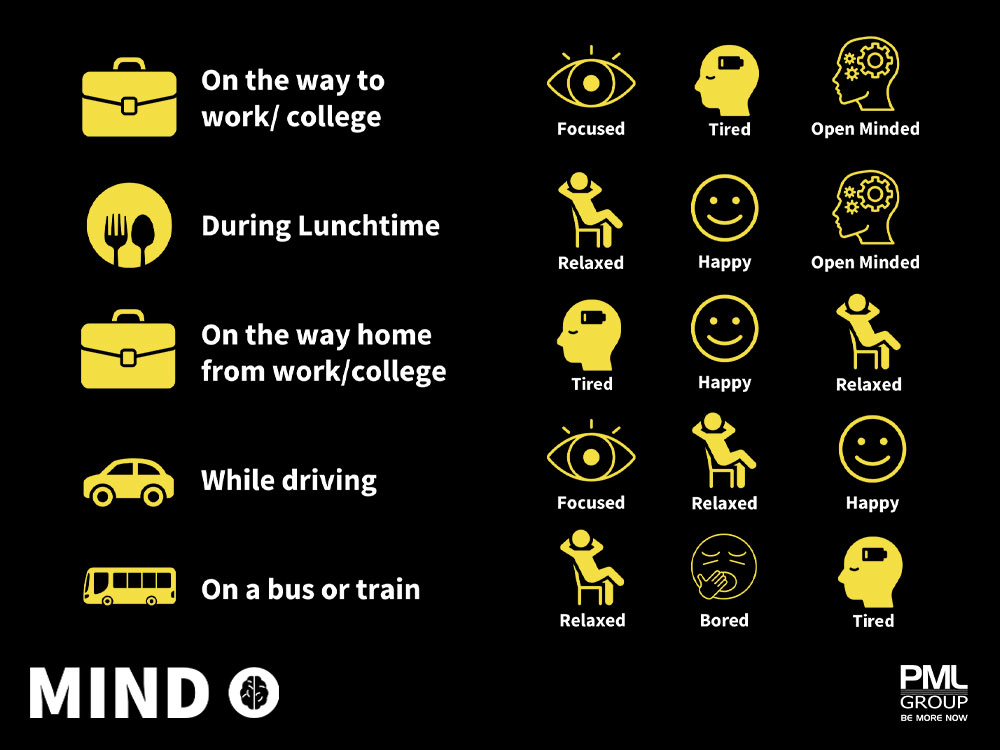
How we feel on the way to work, over lunch, or heading home shapes how open we are to what we see along the way. Across ten everyday settings such as the car, the high street, the gym and the bar, three emotions rise to the top: happy, focused and relaxed. Together they account for more than two thirds of all responses, suggesting that people experience the world around them in a largely positive and purposeful frame of mind.
The morning commute begins in a quieter state of mind. Around 43% of people describe feeling tired on their way to work or college, yet almost one in five also say they feel open-minded. It is a paradox that defines the commuter mindset, alert enough to notice and reflective enough to receive. As inboxes fill and headlines compete for attention, the real world provides something simpler: space to think. This is where OOH earns its place, meeting audiences in that in-between state where minds are switching gears and ideas can land. Movement changes mindset, and the environments people pass through each day carry their own psychological temperature. Out of Home meets them all in sequence.
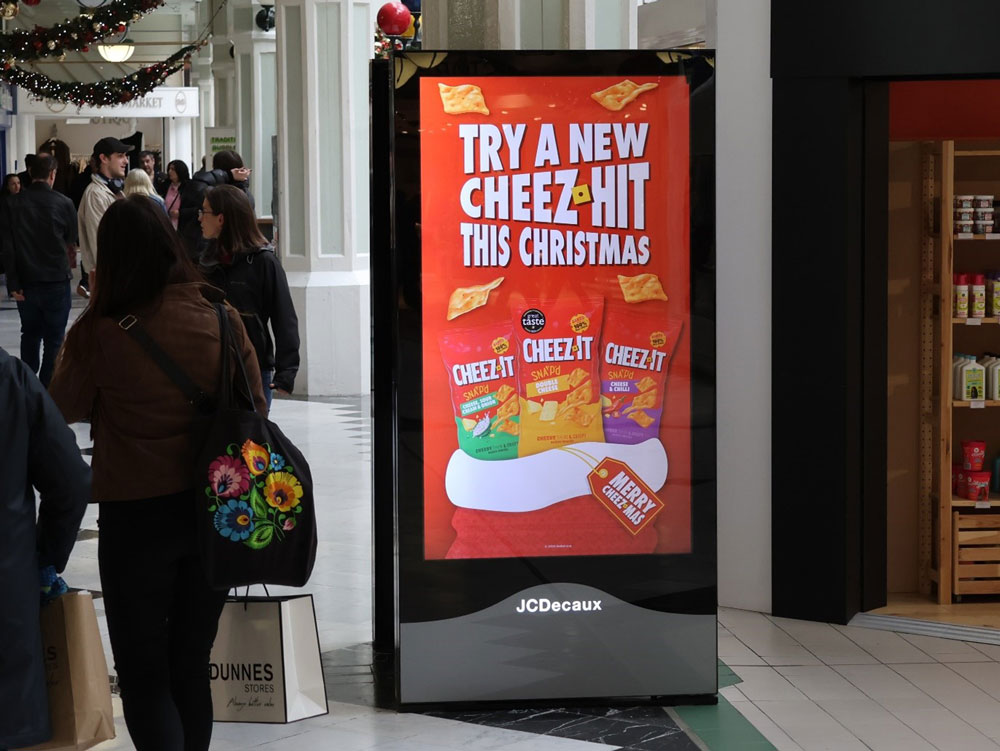
By lunchtime the mood has shifted. Relaxation takes over as the dominant feeling for 43% of respondents, followed by happiness and open-mindedness. It is a moment of mental release when people are more receptive to lighter, positive messages. These midday walks to cafés or sandwich shops represent a high-quality touchpoint, a short window where consumers are alert but at ease, happy to notice what is around them.
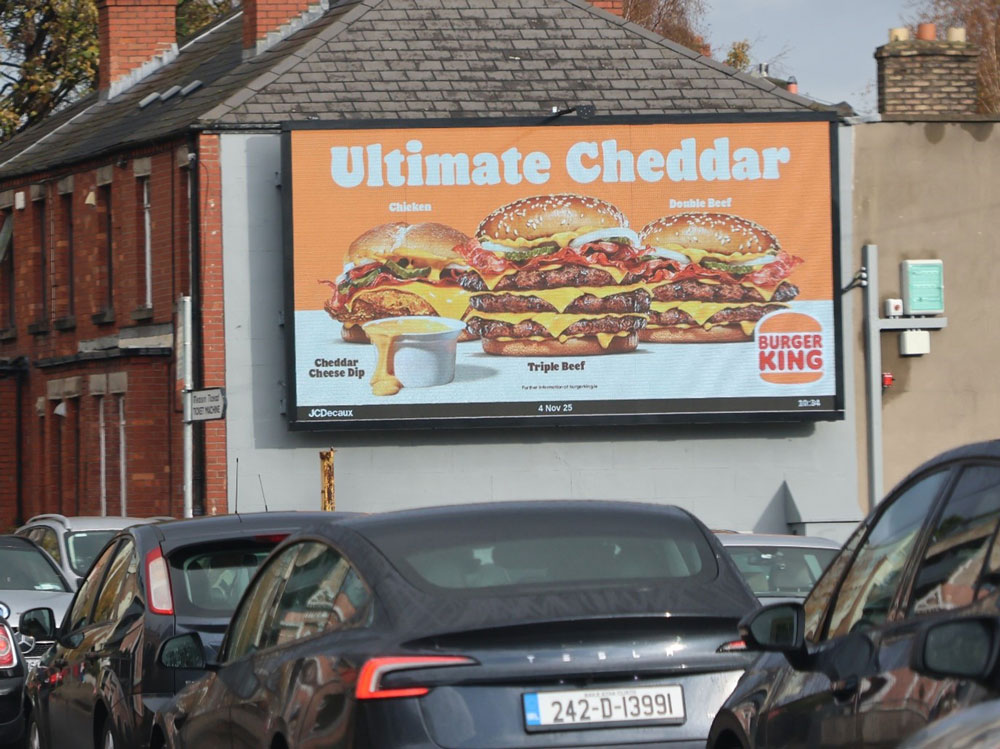
The return journey home brings another emotional pivot. Tiredness resurfaces for over 40%, but so does contentment as people look forward to family, entertainment and personal time. For drivers the prevailing state is focus, reported by a third of respondents, while almost one in five feel relaxed. The combination of concentration and calm makes roadside formats particularly effective, connecting with an audience that is attentive to the world outside their windscreen.
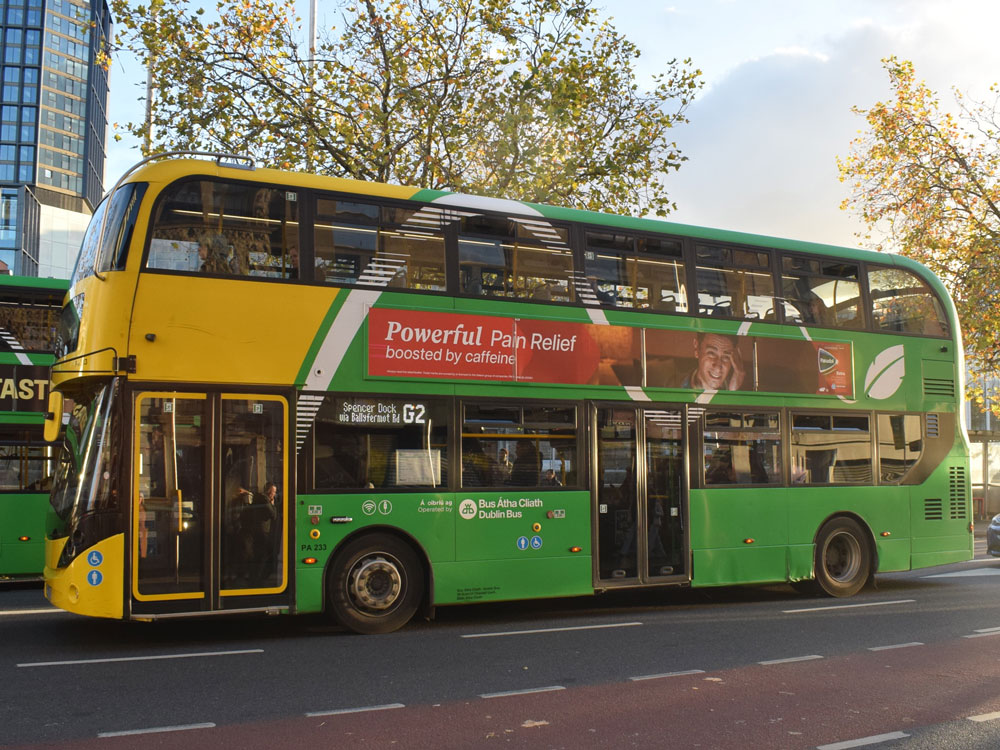
Public transport tells a different story again. Relaxation is the leading mood among bus and train users, cited by one in three, followed by tiredness at 18% and boredom at 21%. That sense of waiting, scrolling and thinking creates fertile ground for creative engagement. Station galleries, in-carriage panels and digital screens have the chance to transform passive moments into meaningful ones. In Dublin more than half of adults use public transport regularly, and advertising at DART stations and inside buses indexes strongly (210/184) according to the latest Kantar TGI data, reinforcing the scale of this opportunity.
Across all these movement moments one feeling remains consistent: openness. Whether commuting, driving or pausing for lunch, open-minded ranks within the top three emotions throughout the day. It confirms what our IMPACT Attention research has shown. 62% of respondents say OOH gives them something of interest to look at while out and about, and 59% say it increases their favourability toward a brand. A previous Kantar Media Reactions study also placed OOH and DOOH among the least intrusive and most attention-efficient channels globally. People are naturally receptive to OOH when it complements rather than interrupts their routine. Context, clarity and timing matter more than volume.
Mood matters. When people feel calm or focused, they are more likely to engage with and remember messages that match that state. Understanding when those moments occur helps advertisers meet audiences not only where they are, but how they are.
Next week, we turn to retail, leisure and travel environments to see how emotion evolves once the working day ends.