















The Creative & Communications Association (CCA) has called on the Government to ensure that new rules governing State advertising prioritise campaign effectiveness and value for money while warning that requirements to spread advertising expenditure across a wider range of media outlets could undermine the impact of public information campaigns.
The call comes as the Media Regulation Bill 2026 is due to be debated in the Dáil today ( November 18). The CCA has also urged the Government to provide clearer guidance on how public bodies should allocate their advertising budgets.
While welcoming the Bill’s objectives of improving transparency, protecting media plurality and safeguarding editorial independence, the CCA believes that public bodies must retain the flexibility to select advertising channels based on audience research and the effectiveness of individual campaigns.
The legislation, which is designed to give effect to key provisions of the EU’s European Media Freedom Act (EMFA), requires public authorities, where practicable, to spread their advertising spend across a wide plurality of media providers.
However, the CCA has also warned that this should not be interpreted as a requirement for individual campaigns to divide their budgets across numerous media outlets, irrespective of their ability to reach the intended audience.
According to Siobhán Masterson, CEO of the CCA, the effectiveness of State advertising must remain a central consideration when public money is being spent.
“When the State delivers advertising and communications campaigns the public should know that this expenditure is effective and delivering value,” she said.
“When the State pays for advertising, the public should know where that money goes. We also need to know that it’s being spent well.
“Whether a campaign is encouraging people to attend a health screening, or stay safe on our roads, the success of it depends on reaching the right people with a message they understand.That means choosing where to advertise based on who the campaign needs to reach and what the evidence tells us will work,” she added.
She said that the CCA is particularly concerned that smaller public information campaigns could be adversely affected if their limited budgets are spread too thinly across multiple media channels. Concentrating expenditure on one or two carefully selected platforms, she said, may deliver better results than distributing the same budget among a larger number of outlets.
“Supporting a diverse media landscape is important, but public bodies also need the flexibility to make the best choices for each campaign. People planning campaigns must be free to use their expertise and audience research to decide where their skills will have the most impact,” Masterson said.
In addition, the CCA is also calling for the additional administrative and reporting costs arising from the legislation to be factored into the public procurement process.
Under the Bill, public authorities will be required to adopt compliance plans setting out the transparent, objective, proportionate and non-discriminatory criteria used in awarding State advertising contracts. They will also face new obligations to publish details of their advertising expenditure, with annual information to be published by March 31.
However, the CCA wards that advertising agencies and communications firms working on State contracts may end up footing the bill additional workload. It notes that existing contracts may not provide for these additional costs, as fees were agreed before the proposed reporting requirements were introduced. According to Masterson, the CCA wants the Government to ensure that the costs of complying with the new obligations are recognised and appropriately remunerated.
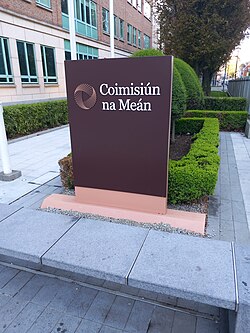
Apart from the new State advertising provisions, the Media Regulation Bill will also significantly expand the powers of Coimisiún na Meán, including transferring responsibility for examining media mergers from the Minister for Culture, Communications and Sport to the media regulator.
Under the proposed legislation, Coimisiún na Meán will be responsible for determining whether mergers and acquisitions involving media businesses could undermine media plurality or editorial independence. The Bill, when enacted, will give the regulator powers to approve mergers, impose conditions or prohibit transactions. In certain circumstances, it may require an unauthorised merger or acquisition to be unwound.
The Bill broadens also the definition of a media business to include online platforms that provide access to media content. It also introduces a €2m annual sales threshold in Ireland for determining whether a media business is operating in the State for the purposes of the media merger regime.
The legislation also includes provisions relating to audience measurement systems and the ability of consumers to customise media offerings on devices and user interfaces.