















 The Creative & Communications Association (CCA) has called on the Government to provide greater support for Ireland’s advertising, communications and creative industries, arguing that investment in brand building is essential if Irish businesses are to scale and compete internationally.
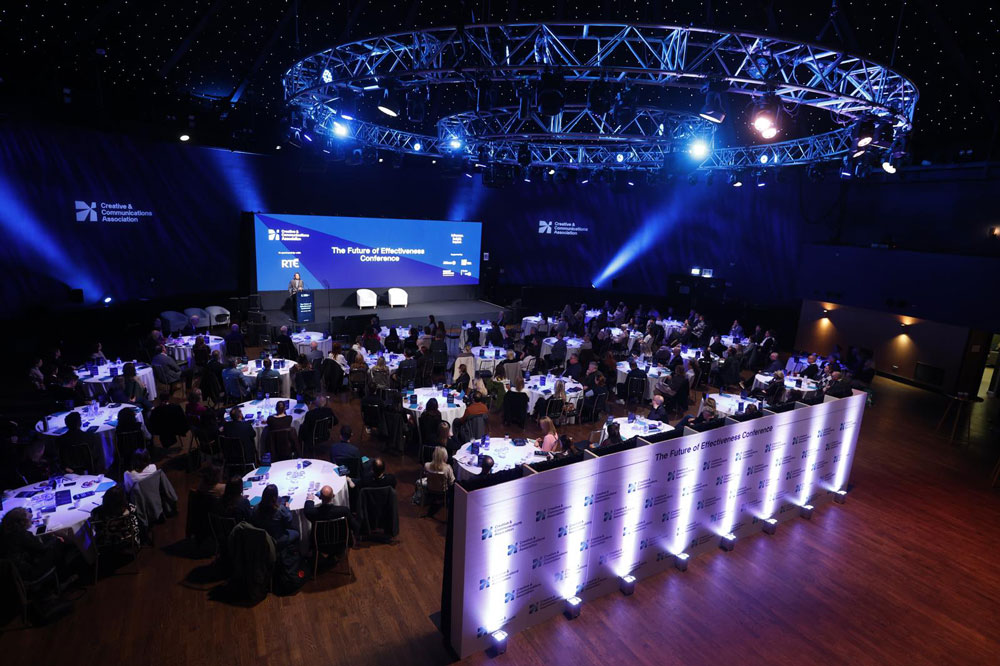
The call follows the association’s inaugural Future of Effectiveness conference in Dublin, where the importance of effective advertising and marketing in driving business growth was highlighted.
According to the CCA, the continued migration of audiences and advertising revenues towards global digital platforms poses a growing challenge for Ireland’s domestic media and creative sectors.
It argues that a coordinated approach is needed to strengthen Irish media and content while ensuring that advertising, marketing and communications are recognised as essential business investments rather than discretionary expenditure.
The association has identified three priorities for Government action: strengthening domestic media and local content, including sustained investment in a strong national broadcaster; recognising the contribution of advertising and communications to economic growth; and supporting the talent and collaboration required to establish Ireland as a global centre of creative excellence.

Siobhan Masterson, CEO of the CCA, said the contribution of advertising and marketing to business growth was frequently underestimated in Ireland.
“It’s really underestimated, in Ireland, how effective communications, advertising and marketing can build brands and help businesses grow. We welcome a conscious effort by Government in offering supports to scale Irish businesses, however we have to ensure that some of that investment is ringfenced for the essential services provided by our members,” she said.
“Ireland is falling short in utilising these when it comes to growing companies to compete in international markets.”
Masterson also highlighted the wider public and cultural contribution of the sector, particularly its role in helping public bodies communicate essential information and services.
“The creative sector is also instrumental in helping public organisations explain services and support people to make informed decisions and communicate important public information.
“So, what we are offering is commercial, public and cultural value. It deserves to be recognised in the decisions Government and businesses make about investment.”
The CCA welcomed several measures announced in Budget 2027, including the National Training Fund skills package, which is designed to address emerging skills requirements arising from artificial intelligence.
It also welcomed the €1bn funding programme announced through the Ireland Strategic Investment Fund (ISIF), which is aimed at supporting the development of the next generation of large Irish companies.
However, the association wants the Government to go further by requiring businesses that benefit from the ISIF programme to allocate a proportion of their funding towards advertising and marketing.
Such a measure, it argues, would help ensure that investment in innovation and business development is accompanied by the brand-building and communications activity necessary to compete in international markets.
The CCA said Ireland must also make a deliberate commitment to protecting and developing its domestic media and creative economy as international platforms capture an increasing share of audiences and advertising expenditure.
The association has also called on the Government to take greater account of the creative and communications sector when developing economic policy and said it remains open to further engagement with policymakers.
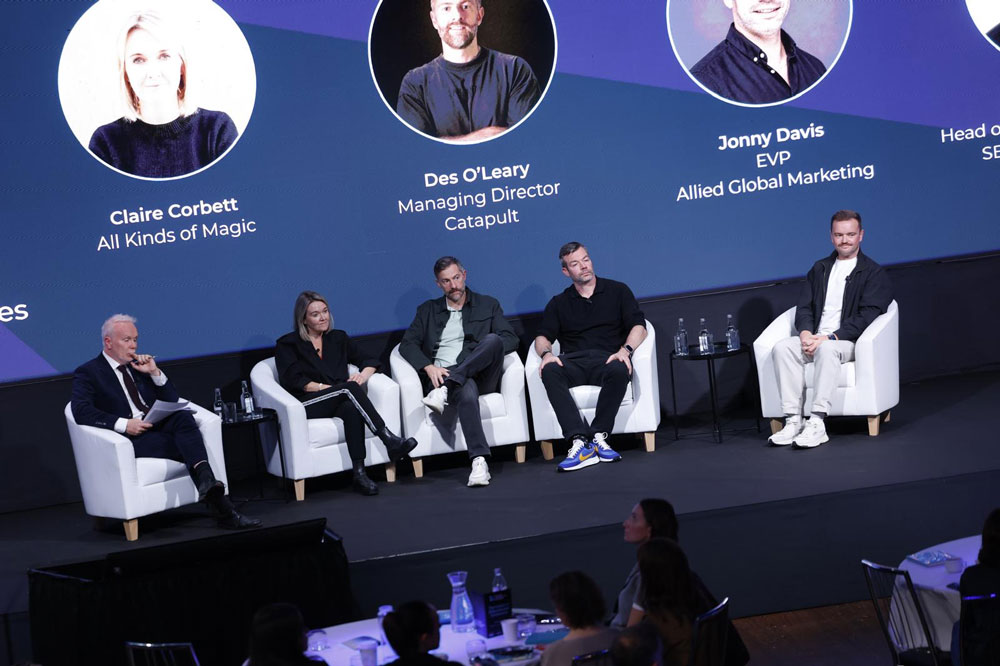
The Future of Effectiveness conference featured a number of Irish and international speakers who explored the changing nature of marketing effectiveness, the importance of sustained brand investment and the growing influence of AI.
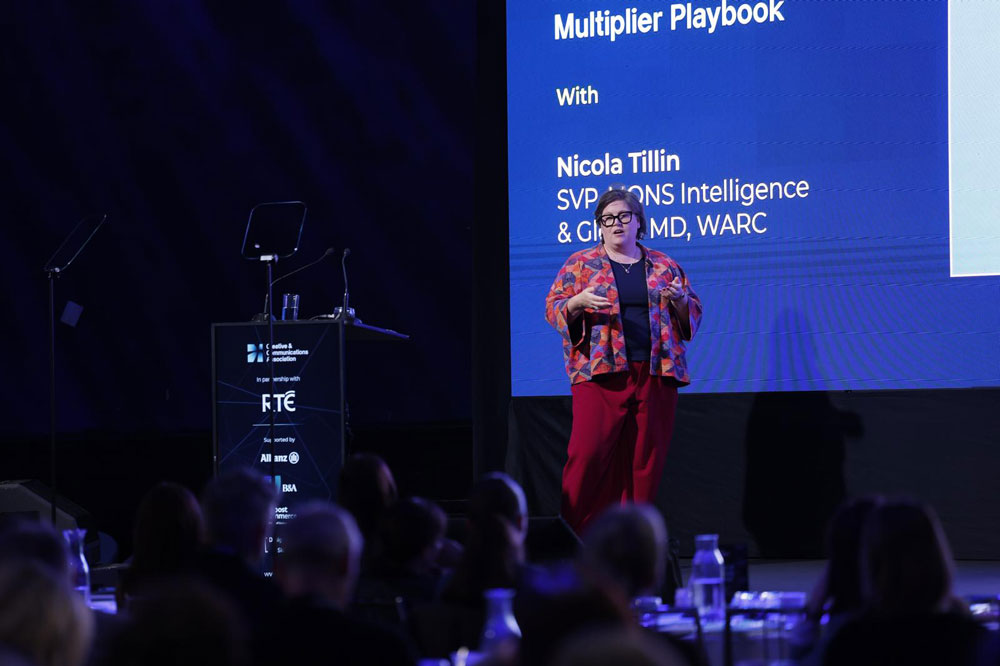
Nicola Tillin, SVP LIONS Intelligence and global managing director of WARC, highlighted the importance of long-term brand building, noting that two-thirds of a brand’s visibility in AI-generated answers can be attributed to previous brand-building activity.
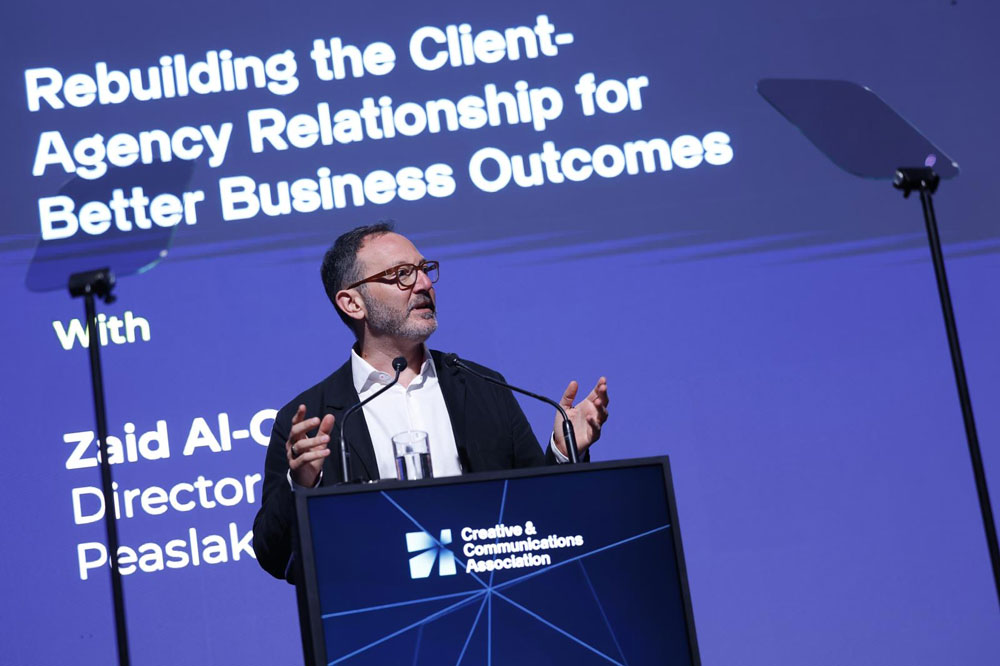
David Wheldon, president of the World Federation of Advertisers, warned of growing risk aversion within the industry and questioned whether global social media platforms were contributing sufficiently to society. Meanwhile, Zaid Al-Qassab urged advertisers to recognise the commercial pressures facing agencies and ensure they were fairly remunerated.
Elsewhere Jimmy Larsen of Ipsos B&A presented new research into the effectiveness of Irish advertising, revealing that 67% of Gold Effie winners had profitability objectives compared with just 4% of non-winners. Click HERE to read more about the Ipsos B&A research.
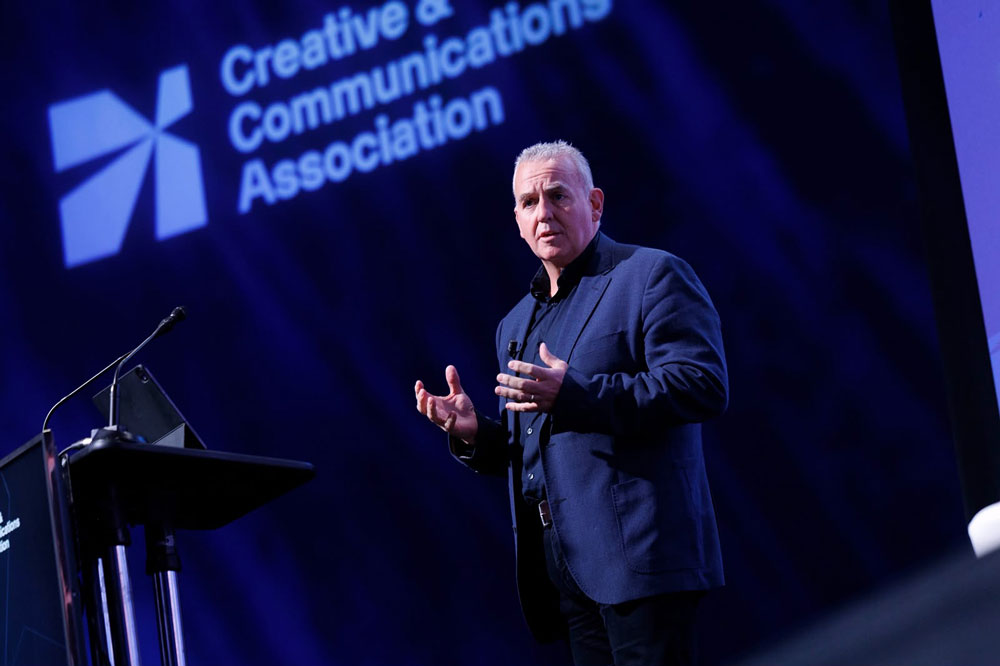
Former McDonald’s global CMO Alistair Macrow urged marketers to communicate more effectively with business leaders, arguing that the industry needed to abandon jargon, focus on customers and demonstrate the commercial returns on marketing investment.
In addition, Chupi Sweetman, founder of jewellery brand Chupi, highlighted the importance of authenticity and creativity in building an international brand, warning that excessive approval processes could undermine creative effectiveness while Ryan Wylie of VML/WPP discussed the #MakeItVisible campaign, which addressed mental health awareness in the construction industry. Finally, Gavin Deans of RTÉ highlighted the opportunities for advertisers to build lasting brand connections around major cultural and sporting moments.